

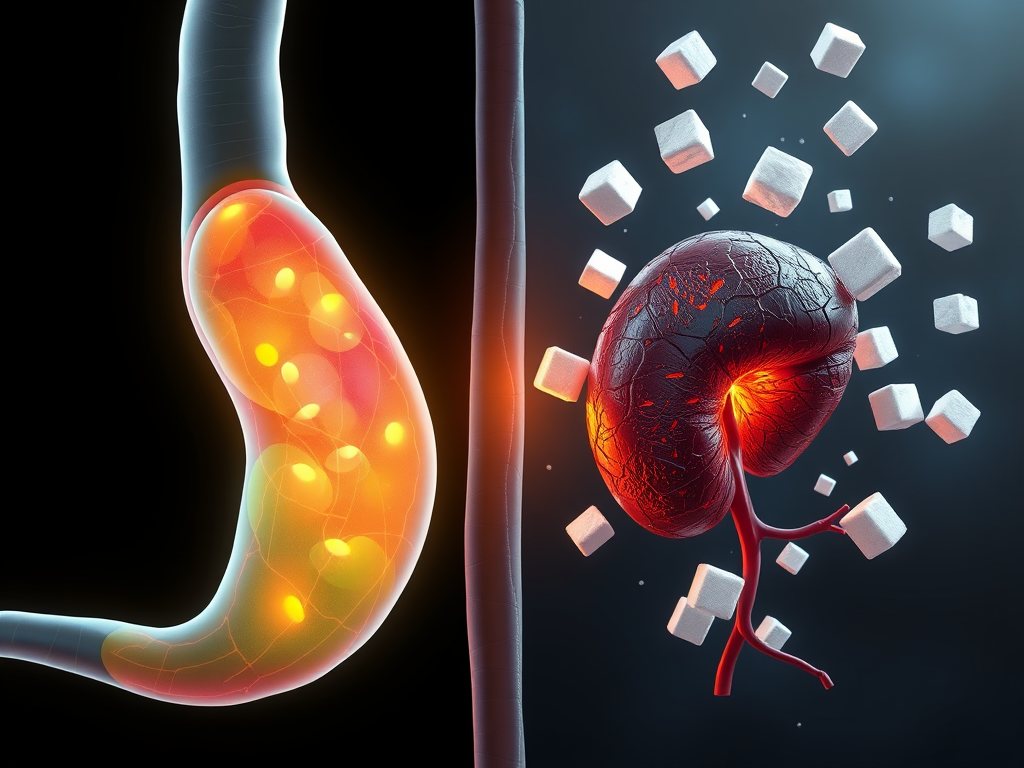
So, What’s the Deal with Diabetes?
Alright, let’s be real—diabetes sounds like something that happens to “old people,” right? You picture your grandparents checking their blood sugar levels, taking medications, and being told to avoid sweets. But here’s the kicker—diabetes is no longer just a problem for older adults. Thanks to our fast-paced, screen-filled, junk-food-loaded lifestyles, diabetes is creeping into younger age groups at an alarming rate.
In fact, India is home to over 77 million people living with diabetes, and the numbers are only going up. What’s even scarier? Many people don’t even know they have it until it’s too late. The rise of Type 2 diabetes among teenagers and young adults is a wake-up call—our daily habits, from excessive screen time to junk food binges, are making us more vulnerable than ever.

But what exactly is diabetes, and why should you care? It’s not just about avoiding sweets or cutting back on sugar. Diabetes is a chronic condition that disrupts how your body processes glucose (a type of sugar)—the primary source of energy for your cells. Your body relies on a hormone called insulin, which acts like a key, unlocking cells so glucose can enter and be used for energy. But when you have diabetes, this system breaks down—either your pancreas doesn’t produce enough insulin, or your body doesn’t use it properly. This leads to high blood sugar levels, which, over time, can cause serious health issues, from heart disease to kidney failure.
Now, you might be thinking: “Okay, but isn’t sugar the only reason people get diabetes?” Not quite! While eating excessive sugar can contribute to the problem, diabetes is influenced by multiple factors, including genetics, stress, lack of exercise, and poor diet choices. This means even people who aren’t overweight or don’t consume tons of sugar can still develop diabetes if their lifestyle and genetics work against them.
What’s Causing It?
Diabetes isn’t just about eating too much sugar (shocker, right?). There are multiple factors at play, and they go beyond that extra scoop of ice cream or the occasional chocolate binge. While sugar consumption does contribute to weight gain—one of the major risk factors—it’s not the sole villain in the diabetes story. Instead, diabetes is a complex condition influenced by genetics, lifestyle choices, and even environmental factors.
Let’s break down the three main types of diabetes and what causes them.
1. Type 1 Diabetes – When the Body Turns Against Itself
Type 1 diabetes is an autoimmune condition, meaning the body’s immune system mistakenly attacks and destroys the insulin-producing beta cells in the pancreas. Without insulin, glucose builds up in the bloodstream, leading to dangerously high blood sugar levels.
- Who Gets It? While it can develop at any age, Type 1 diabetes is mostly diagnosed in children, teenagers, and young adults.
- Why Does It Happen? Scientists believe genetics and environmental triggers (like viral infections) play a role, but there’s still no clear-cut reason why some people develop it.
- Is It Preventable? Unfortunately, Type 1 diabetes is not preventable, and people with this condition require lifelong insulin therapy to regulate their blood sugar.

2. Type 2 Diabetes – The Modern Lifestyle Epidemic
This is the type most people associate with diabetes, and for a good reason—it accounts for nearly 90-95% of all diabetes cases worldwide. Unlike Type 1, Type 2 diabetes develops gradually over time due to insulin resistance (when the body stops responding to insulin) or insufficient insulin production.
So, what’s behind this rise in Type 2 diabetes?
1. The Sedentary Lifestyle Problem
Gone are the days when people walked miles or had physically demanding jobs. Today, we spend hours glued to screens, sitting in front of laptops, or scrolling on our phones. This lack of movement directly contributes to weight gain and insulin resistance.
2. The Fast-Food Culture
Ultra-processed foods, loaded with refined carbs, unhealthy fats, and hidden sugars, are everywhere. A single fast-food meal can have as many calories as an entire day’s worth of home-cooked meals, leading to obesity—a major risk factor for Type 2 diabetes.
3. The Chronic Stress Factor
Stress isn’t just a mental health issue—it affects blood sugar levels too. When stressed, the body releases cortisol (the stress hormone), which raises blood sugar levels and can lead to insulin resistance over time.
4. Sleep Deprivation – The Hidden Trigger
Not getting enough sleep can increase hunger hormones, making people crave high-calorie foods. Studies have shown that sleep-deprived individuals are at a higher risk of developing Type 2 diabetes due to hormonal imbalances that disrupt insulin function.
5. Genetics – A Factor You Can’t Control
If one or both parents have Type 2 diabetes, there’s a higher chance of developing it, but genetics alone won’t determine your fate. Lifestyle plays a massive role in whether or not those genetic tendencies turn into reality.
Can Type 2 Diabetes Be Prevented?
Yes. Since this type is largely influenced by lifestyle, maintaining a healthy weight, staying active, and eating nutritious foods can significantly lower the risk.
3. Gestational Diabetes – The Pregnancy-Related Risk
Gestational diabetes occurs only during pregnancy when hormonal changes make it harder for the body to process insulin. Although it usually disappears after childbirth, it increases the mother’s risk of developing Type 2 diabetes later in life.
- Who’s at Risk? Women who are overweight, have a family history of diabetes, or have had previous pregnancies with high birth-weight babies.
- Why Does It Happen? Pregnancy hormones can interfere with insulin function, causing high blood sugar levels.
- Is It Preventable? While not always preventable, a balanced diet and regular exercise during pregnancy can help manage blood sugar levels.
Who’s at Risk? (Spoiler: It’s Not Just Boomers!)
Diabetes doesn’t care about your age, your job, or whether you hit the gym occasionally. It’s an equal-opportunity disruptor, and with changing lifestyles, it’s creeping up on younger generations at an alarming rate. While it was once considered a health issue mainly affecting older adults, that’s no longer the case. The combination of processed foods, sedentary lifestyles, and high-stress environments has made diabetes a real concern for people across all age groups.
Kids & Teens – The Unfortunate Newcomers
Type 1 diabetes has always been more common in children and teenagers, but the bigger concern today is the rapid rise in Type 2 diabetes among younger populations. Traditionally, Type 2 diabetes was known as “adult-onset diabetes,” but now it’s showing up in children as young as 8 or 10 years old. The reason? An increase in childhood obesity, poor diet choices, and reduced physical activity.
- Fact Check: Over 14.4 million children and adolescents worldwide are estimated to have Type 1 diabetes, and the numbers keep rising. But in India, there has been a sharp increase in Type 2 diabetes cases in children due to poor dietary habits and lack of physical activity (International Diabetes Federation).
- Modern Lifestyle Impact: The shift from outdoor play to excessive screen time, paired with high-calorie processed foods, has created a “perfect storm” for early-onset diabetes. Kids are consuming more sugary beverages and processed snacks than ever before, and with less physical activity, their risk of insulin resistance is growing.
Young Adults (20-40 years) – The Hustle Culture’s Hidden Cost
If you’re a young adult balancing studies, work deadlines, and social commitments, diabetes probably isn’t on your radar. But here’s the reality—long working hours, high stress, poor sleep, and binge-eating processed foods are setting the stage for Type 2 diabetes.
- Fact Check: According to the Indian Council of Medical Research, nearly 1 in 5 young adults in urban India is either diabetic or prediabetic, meaning they’re already experiencing elevated blood sugar levels without even realizing it.
- The Stress Factor: Chronic stress increases cortisol levels, which in turn leads to higher blood sugar. People working high-pressure jobs with irregular schedules are at greater risk of developing insulin resistance.
- Sleep Deprivation & Diabetes: Studies show that getting less than 6 hours of sleep per night can contribute to insulin resistance, increasing diabetes risk. The rise of “revenge bedtime procrastination” (staying up late scrolling through social media despite being exhausted) is making things worse.
- Fast Food & Takeout Culture: Young professionals often rely on highly processed, carb-heavy meals, leading to sudden spikes and crashes in blood sugar. Frequent consumption of junk food has been directly linked to early metabolic disorders.
Middle-aged and Older Adults (40+) – When Habits Catch Up
For those over 40, the risk of diabetes increases significantly due to years of cumulative lifestyle habits, genetic predisposition, and metabolic slowdown. If you have a family history of diabetes, the risk is even higher.
- Fact Check: According to a 2023 study published by the Indian Journal of Endocrinology and Metabolism, nearly 1 in 3 Indians over 40 is either diabetic or prediabetic.
- Weight & Muscle Loss Impact: As people age, their muscle mass naturally decreases, and if they are not active, their metabolism slows down. Less muscle mass means reduced insulin sensitivity, making it easier for blood sugar to stay elevated.
- Undiagnosed Diabetes: Many middle-aged individuals only discover their diabetes when complications arise—such as heart disease, vision problems, or kidney damage.
Myth-Busting: Is Sugar Really the Villain?
Okay, let’s settle this once and for all: sugar alone doesn’t cause diabetes. Yes, consuming too much added sugar isn’t great, but diabetes is about how your body handles glucose, not just how much candy you eat. Some bigger culprits include:
- Sedentary Lifestyle – Too much screen time, too little movement. Sound familiar?
- Junk Food & Processed Foods – High-carb, low-nutrient diets can lead to weight gain and insulin resistance.
- Genetics – If diabetes runs in your fam, you need to be extra cautious.
- Stress & Lack of Sleep – Sleep deprivation can mess with blood sugar levels, and stress releases hormones that can make diabetes worse.
What Does Diabetes Actually Do to You? (And Why You Should Care)

Think of untreated diabetes like a slow system crash for your body. Here’s what happens when high blood sugar goes unchecked:
- Heart Problems – High blood sugar damages blood vessels, increasing the risk of heart attacks.
- Kidney Damage – Overworking your kidneys can lead to failure in the long run.
- Vision Loss – Diabetes can damage your eyes, possibly leading to blindness.
- Nerve Damage – Leads to pain, tingling, or even amputation in severe cases.
- Weakened Immunity – Cuts take forever to heal, and infections become a bigger problem.
The Diabetes Epidemic in India (Brace Yourself)
India isn’t just the land of butter chicken and golgappas—it’s also becoming the Diabetes Capital of the World. Over 100 million Indians have diabetes, and the numbers are rising fast. If lifestyle habits don’t change, this number could surpass 150 million by 2045.
What’s even more alarming? Diabetes is hitting younger people earlier than ever. Blame it on fast food, screen time, stress, or inactivity—this condition is no longer just an “old person’s problem.”
Younger People Are Getting Diabetes Earlier
Not long ago, Type 2 diabetes was mainly seen in middle-aged or elderly individuals. Now, even 20-somethings are being diagnosed.
What’s causing this?
- Unhealthy eating habits – Processed food, sugary drinks, and late-night snacking are common in urban lifestyles. Traditional home-cooked meals are being replaced by fast food, leading to weight gain and insulin resistance.
- Sedentary lifestyles – Desk jobs, binge-watching, and excessive screen time mean fewer people are moving their bodies daily. Studies show that 50% of Indian adults don’t meet the minimum recommended exercise levels.
- Stress overload – Whether it’s academic pressure or corporate burnout, chronic stress leads to hormonal imbalances that increase diabetes risk.
Cities vs. Villages – The Urban-Rural Divide

Where you live plays a major role in diabetes risk:
- Urban areas report more cases due to fast food culture, high-stress jobs, and sedentary routines. Office workers often consume sugar-laden coffee, eat out frequently, and sit for long hours.
- More screen time, less movement – City dwellers spend more time on screens and less time walking or exercising, increasing diabetes risk.
- Air pollution link – Emerging research suggests that long-term exposure to pollution may contribute to metabolic disorders like diabetes.
In rural India, diabetes rates were historically low due to active lifestyles and simple diets. But as fast food chains and sedentary habits spread, cases are rising even in villages.
Many People Don’t Know They Have It
One of the biggest dangers of diabetes? It often goes unnoticed until it causes serious damage.
- Silent symptoms – Fatigue, increased thirst, or minor vision issues are often ignored.
- Delayed diagnosis – Many Indians skip regular check-ups, meaning diabetes is often detected only when complications arise.
- Cultural mindset – Many people believe cutting back on sugar alone is enough to manage diabetes, ignoring the bigger lifestyle picture.
With diabetes spreading faster than ever, awareness and early action are crucial. The good news? Small lifestyle changes—like healthier eating, regular movement, and stress management—can drastically lower the risk.
Fun (or Not-So-Fun) Facts About Diabetes
- India is home to nearly 1 in 6 of the world’s diabetes patients. That’s more than the entire population of some countries!
- More than 50% of Indians with diabetes don’t even know they have it. By the time they do, complications may have already started.
- Walking just 30 minutes a day can reduce your risk of Type 2 diabetes by 40%. A simple habit that could literally change your life.
- Studies show too much screen time is linked to an increased risk of diabetes—yes, even if you’re just scrolling through memes! Sitting for long hours reduces insulin sensitivity and promotes weight gain.
- Sleep deprivation increases diabetes risk. Getting less than 6 hours of sleep regularly can mess with your blood sugar levels and insulin production.
- Having one diabetic parent increases your risk by 40%, and if both parents have it, your risk jumps to 70%. Genetics play a big role, but lifestyle still matters.
- Your gut bacteria could influence diabetes risk. Research shows that an unhealthy gut microbiome can contribute to insulin resistance.
- People with diabetes are more prone to dehydration. High blood sugar levels make the kidneys work overtime, causing frequent urination and increased thirst.
- A can of soda contains around 39 grams of sugar—that’s more than the recommended daily intake in just one drink!
- Stress can spike blood sugar levels. When you’re stressed, your body releases hormones that can cause blood sugar to rise, making stress management crucial for diabetes prevention.
Diabetes isn’t just about sugar—it’s about your entire lifestyle. Small changes today can help you stay healthier tomorrow!
How to Stay One Step Ahead
The good news? You’re in control. You can prevent or manage diabetes by making a few lifestyle changes:
- Move Your Body – Whether it’s a gym session, dance class, or just walking while listening to your favorite podcast, get that blood pumping!
- Eat Smart – Swap out ultra-processed junk for whole foods, veggies, and lean proteins.
- Hydrate & Sleep Well – Water is your best friend, and 7-9 hours of sleep can do wonders for your blood sugar.
- Routine Checkups – Get your blood sugar levels checked if you have risk factors (family history, obesity, etc.).
- Chill Out – Stress is a silent trigger for many diseases, including diabetes. Find ways to unwind—whether it’s yoga, gaming, or just vibing to music.

The Bottom Line: It’s Time to Take Charge
Diabetes isn’t just a distant problem for “other people” or something to worry about when you’re older—it’s creeping up on young adults faster than ever. The way we eat, move (or don’t move), sleep, and handle stress all play a massive role in whether we stay healthy or become part of the growing diabetes statistics.
The good news? You have more control over this than you think. Swapping out junk food for whole, home-cooked meals, moving your body daily (even if it’s just a brisk walk), managing stress, and getting enough sleep can significantly reduce your risk. The smallest lifestyle changes today could be the reason you don’t have to deal with insulin shots and lifelong medications tomorrow.
Think of it this way—would you rather invest a little time and effort into your health now, or spend years battling a condition that could have been prevented? The choice is yours.


Leave a Reply