

Wait… Why Is My Heart Racing?
Ever felt your heart pounding like you just ran a marathon—except you’ve been sitting on your couch the whole time? Or noticed that no matter how much you eat, you keep losing weight? Maybe you feel anxious for no reason, or your hands won’t stop shaking. If this sounds familiar, your thyroid might be running on overdrive, and you could be dealing with hyperthyroidism. But what exactly is hyperthyroidism, and why does it happen? Buckle up because we’re about to break it all down—from causes to symptoms, treatments, lifestyle changes, and everything in between.
What Is Hyperthyroidism?
Imagine your body as a car. Your thyroid gland is the accelerator—it controls how fast your body uses energy, how warm you stay, and how your organs function. Hyperthyroidism is like pressing the gas pedal all the way down and never letting go. Your metabolism speeds up, your heart races, and your body starts working way harder than it should. This overactivity can lead to weight loss, anxiety, tremors, and even sleep disturbances. Since metabolism affects almost every organ in your body, hyperthyroidism can cause digestive issues, muscle weakness, and changes in skin or hair texture. If left untreated, it can increase the risk of heart conditions like atrial fibrillation. In some cases, it may also lead to a thyroid storm—a life-threatening condition that requires immediate medical attention. That’s why early detection and management are crucial.

Where Is the Thyroid and What Does It Do?
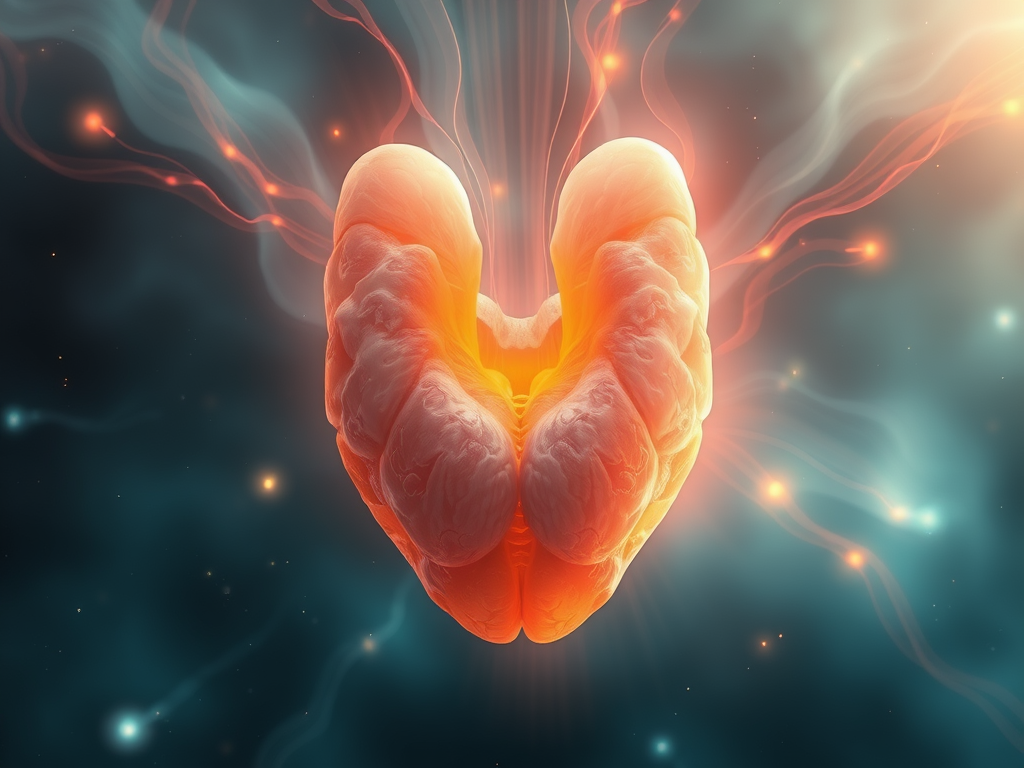
The thyroid is a small, butterfly-shaped gland located in your neck, just below your Adam’s apple. It produces hormones called thyroxine (T4) and triiodothyronine (T3), which regulate metabolism, heart rate, and energy levels. In hyperthyroidism, these hormones are produced in excess, sending your body into hyperdrive. These hormones also influence brain function, digestion, and even mood regulation. A properly functioning thyroid ensures that your body maintains the right temperature, energy balance, and muscle control. When it goes into overdrive, your body burns through energy too fast, making you feel exhausted despite constant movement. Additionally, the thyroid works in harmony with the pituitary gland, which signals when to slow down or speed up hormone production. When this balance is disturbed, it can create a ripple effect on other endocrine functions, including adrenal and insulin regulation.
Why Does Hyperthyroidism Happen?
If your body feels like it’s running on overdrive, your thyroid might be producing too much hormone. But why does this happen?
👉 Graves’ Disease – The most common cause of hyperthyroidism. It’s an autoimmune disorder where the immune system mistakenly stimulates the thyroid, making it work harder than necessary. It often runs in families.
👉 Thyroid Nodules – Small lumps in the thyroid that start producing hormones on their own. They’re usually non-cancerous but can disrupt normal hormone levels.
👉 Thyroiditis – Inflammation of the thyroid, often due to infection, pregnancy, or autoimmune conditions. It can lead to a temporary hormone surge, causing hyperthyroid symptoms before stabilizing.
👉 Excess Iodine – Iodine is essential for thyroid function, but too much (from certain foods or medications) can push the gland into overproduction mode.
👉 Overmedication – If someone with hypothyroidism takes too much thyroid hormone medication, it can lead to excessive levels in the body.
Symptoms: How Do You Know If Your Thyroid Is Overactive?
Hyperthyroidism affects almost every part of the body. Common signs include:
🔥 Fast Heart Rate & Restlessness – Your heart races even when you’re at rest, and you may feel constantly on edge.
🍽️ Increased Appetite & Weight Loss – You’re eating more but still losing weight because your metabolism is working too fast.
😟 Anxiety & Irritability – You might feel more anxious, nervous, or easily irritated. Trouble concentrating is also common.
🌡️ Feeling Too Hot & Sweating More – Even in cool temperatures, you may feel overheated and sweat excessively.
💪 Weak Muscles & Fatigue – Everyday activities might feel more tiring, especially in your arms and legs.
👀 Changes in Eyes & Neck – In Graves’ disease, the eyes can appear more prominent, and the thyroid may become visibly enlarged (goiter).
What’s Next?
If you’re experiencing these symptoms, it’s best to get your thyroid checked through blood tests and imaging. The good news? Hyperthyroidism is treatable, and managing it effectively can help restore balance to your body. Stay tuned for ways to manage and treat it through lifestyle changes and medical options.
How Is Hyperthyroidism Diagnosed?
If you’re experiencing symptoms of hyperthyroidism, your doctor will conduct several tests to confirm the diagnosis and determine the underlying cause.
1️⃣ Blood Tests – These measure levels of T3 (triiodothyronine), T4 (thyroxine), and TSH (thyroid-stimulating hormone). A low TSH level combined with high T3 and T4 levels is a strong indicator of hyperthyroidism. Some doctors may also check for thyroid antibodies to identify autoimmune conditions like Graves’ disease.
2️⃣ Thyroid Ultrasound – This imaging test helps assess thyroid size, shape, and the presence of nodules. It is especially useful if the doctor suspects thyroid inflammation or nodular hyperthyroidism.

3️⃣ Radioactive Iodine Uptake (RAIU) Test – This evaluates how much iodine your thyroid absorbs, which helps distinguish between Graves’ disease, thyroiditis, and toxic nodules. Patients take a small dose of radioactive iodine, and a scan determines uptake levels. High uptake is common in Graves’ disease, while low uptake may indicate thyroiditis.
4️⃣ Thyroid Scan – Often performed alongside RAIU, this imaging test provides a detailed picture of thyroid activity, helping doctors pinpoint overactive areas or detect abnormal growths.
5️⃣ MRI or CT Scan – In rare cases, imaging studies may be needed if a thyroid tumor or pituitary gland dysfunction is suspected.
These tests, combined with a thorough clinical evaluation, help doctors create a personalized treatment plan for managing hyperthyroidism effectively.
Medical Treatment Options
🩺 Medications – Doctors often prescribe antithyroid drugs like Methimazole or PTU to reduce thyroid hormone production. If you have a racing heartbeat or tremors, beta-blockers like propranolol can help control those symptoms.
💊 Radioactive Iodine Therapy – A common long-term treatment where a small dose of radioactive iodine shrinks the overactive thyroid cells over time.
🔪 Surgery (Thyroidectomy) – In severe cases, a doctor may remove part or all of the thyroid gland. If the entire thyroid is removed, you’ll need lifelong thyroid hormone replacement therapy to maintain normal hormone levels.
Lifestyle & Diet: Managing Hyperthyroidism Naturally
Along with medical treatment, small changes in what you eat and how you live can make a noticeable difference.
✅ Foods That Support Thyroid Health
🥦 Cruciferous Vegetables (broccoli, cauliflower, cabbage) – These contain compounds that naturally slow down thyroid hormone production.
🍓 Berries – Packed with antioxidants, they help reduce inflammation and support immune function.
🥚 Protein-Rich Foods (eggs, lean meat, tofu) – Helps prevent muscle loss, which is common with hyperthyroidism.
🥑 Healthy Fats (avocados, nuts, olive oil) – Supports overall well-being and keeps energy levels stable.
🦴 Calcium & Vitamin D Sources (dairy, fortified foods, sunlight) – Protects bone health, as hyperthyroidism can lead to weakened bones over time.
🚫 Foods to Avoid
🌊 High-Iodine Foods (seaweed, iodized salt, fish) – Your thyroid needs iodine, but too much can worsen hyperthyroidism.
☕ Caffeine & Stimulants (coffee, tea, energy drinks) – Can intensify anxiety, restlessness, and heart palpitations.
🍩 Sugary & Processed Foods – Leads to blood sugar spikes and worsens fatigue and mood swings.
Lifestyle Adjustments: Small Changes, Big Impact
😴 Prioritize Sleep – Aim for 7-9 hours to help your body recover from increased metabolism.
🧘 Manage Stress – Practices like meditation, deep breathing, and yoga can help reduce nervousness and anxiety.
💧 Stay Hydrated – Hyperthyroidism increases sweating, so drinking plenty of water helps prevent dehydration.
🚶 Exercise Smartly – Light activities like walking, yoga, or stretching help with muscle strength. Avoid high-intensity workouts if they make you feel exhausted.
Dos and Don’ts for Managing Hyperthyroidism
✅ DOs:
✔️ Get regular thyroid check-ups with your doctor to monitor hormone levels.
✔️ Eat a balanced and nutrient-rich diet filled with whole foods and proteins.
✔️ Practice stress management techniques like yoga, meditation, or deep breathing.
✔️ Monitor your symptoms closely and track any unusual body changes.
✔️ Follow your prescribed medication schedule without skipping any doses.

❌ DON’Ts:
❌ Ignore warning signs like a rapid heartbeat or sudden excessive weight loss.
❌ Consume excessive iodine-rich foods like seaweed, iodized salt, or supplements.
❌ Overdo caffeine, alcohol, or energy drinks, as they can worsen symptoms.
❌ Skip meals frequently, since your metabolism is already working in overdrive.
❌ Self-medicate or adjust doses without consulting your doctor first.
Final Thoughts: Keep Your Thyroid in Check!
Hyperthyroidism might be a sneaky condition, but it’s not unbeatable. The key to managing it is early detection, the right treatment, and a healthy lifestyle. If you’re experiencing symptoms like unexplained weight loss, rapid heartbeat, or constant restlessness, don’t ignore them—get checked by a doctor!
A well-balanced diet, proper stress management, and medical guidance can help you regain control over your health and energy levels. Remember, your body deserves care and attention—small changes today can lead to a healthier future. Staying informed and taking proactive steps can prevent complications and help you live a full, energetic life despite hyperthyroidism.
Your thyroid plays a huge role in your overall well-being, so don’t underestimate the power of a healthy routine. Prioritize self-care, mindful eating, and regular health check-ups to keep your thyroid in balance. Whether it’s tweaking your diet, managing stress, or following your doctor’s advice, every small effort counts.
💬 Got questions about hyperthyroidism? Drop them in the comments below! Let’s spread awareness and support each other on this journey to better health. 🚀 Share this with friends or family who might benefit from learning more about thyroid health!


Leave a Reply