


In the bustling streets of Mumbai, where vendors sell everything from steaming idlis to sweet jalebis, or in the rural heartlands of Punjab where wheat rotis are a staple, carbohydrates form the backbone of Indian nutrition. Yet, despite their ubiquity in our daily meals, there remains significant confusion about these essential macronutrients. From the misconceptions surrounding sugar to the complex relationship between traditional Indian foods and modern health challenges, understanding carbohydrates has never been more crucial for Indian families.
Understanding Carbohydrates: The Body’s Primary Fuel
Carbohydrates are organic compounds consisting of carbon, hydrogen, and oxygen, serving as the body’s primary energy source. When consumed, they break down into glucose, which fuels everything from brain function to muscle contraction.
Why Carbs Matter for Indians:
- Power the farmer working in wheat fields
- Fuel the software engineer coding in tech parks
- Support students during long study sessions
- Provide energy for daily household activities

Indian Diet Reality Check: The traditional Indian diet derives 60-70% of its calories from carbohydrates – that’s significantly higher than Western diets! This high intake has sustained generations through:
- Physically demanding agricultural work
- Intellectual pursuits that built India’s knowledge economy
- Daily activities in India’s diverse climate conditions
Daily Carbohydrate Intake: Finding the Indian Balance
The Indian Council of Medical Research (ICMR) recommends that carbohydrates should constitute 50-60% of total daily calories for healthy adults. For a typical 2000-calorie diet, this translates to approximately 250-300 grams of carbohydrates daily. However, these recommendations must be viewed through the lens of India’s diverse lifestyle patterns.
ICMR Guidelines:
- 50-60% of total daily calories from carbohydrates
- For 2000-calorie diet = 250-300 grams of carbs daily
- Adjust based on physical activity levels
- Consider regional dietary patterns
Lifestyle-Based Carb Needs:
🏢 Office Workers (Sedentary): Target around 250 grams daily with light breakfast, moderate lunch, and lighter dinner. A typical day might include 2 rotis, 1 cup rice, fruits, and vegetables.
🌾 Farmers/Laborers (Active): Require 300+ grams daily due to high physical demands. The traditional hearty breakfast of parathas and lassi provides sustained energy for long hours of fieldwork.
🎓 Students: Need approximately 275 grams daily with steady intake throughout the day to maintain concentration and energy levels.
The traditional three-meal pattern – moderate breakfast, substantial lunch, and lighter dinner – aligns perfectly with optimal carbohydrate metabolism and supports the body’s natural circadian rhythm.
Sources of Carbohydrates in Indian Cuisine
India’s culinary diversity offers an abundance of carbohydrate sources, each with unique nutritional profiles and cultural significance. From the fragrant basmati rice of North India to the nutritious red rice of Kerala, these sources form the foundation of Indian nutrition.

Grains – The Foundation
Rice remains the staple grain for over 65% of Indians, providing easily digestible carbohydrates and serving as the base for countless regional dishes. Different varieties offer distinct benefits:
Popular Rice Varieties:
- Basmati (North India) – Fragrant, lower glycemic index
- Red rice (Kerala) – High fiber, more nutrients
- Brown rice – Superior fiber content, slower glucose release
- Sona masoori – Light texture, easy digestion
Wheat, predominantly consumed in North and Central India, forms the basis of rotis, naans, and parathas. However, the modern shift from whole wheat to refined flour (maida) has reduced the nutritional quality of many preparations.
Millets, once the backbone of rural Indian diets, are experiencing a renaissance as health-conscious consumers rediscover their nutritional value. Jowar (sorghum), bajra (pearl millet), and ragi (finger millet) offer exceptional nutritional profiles, including high fiber, protein, and micronutrients.
Pulses & Legumes – The Protein Partners
Pulses and legumes, integral to Indian vegetarian cuisine, provide complex carbohydrates along with protein. Dal, consumed daily in most Indian households, offers sustained energy release and helps maintain satiety.
Common Dal Varieties:
- Toor dal – Most common, easy to digest
- Moong dal – Light, cooling properties
- Chana dal – High fiber, satisfying
- Masoor dal – Iron-rich, quick cooking
The traditional dal-chawal combination creates a complete protein profile while providing sustained energy, demonstrating the intuitive nutritional wisdom of Indian cuisine.
Fruits – Nature’s Sweet Treats
Fruits hold a special place in Indian dietary culture, serving both nutritional and cultural purposes. Seasonal fruits like mangoes, watermelons, and lychees in summer, or oranges, guavas, and apples in winter, provide natural sugars along with fiber, vitamins, and antioxidants.
Cultural Integration:
- Religious offerings (prasad)
- Welcome gestures for guests
- Traditional medicine (Ayurveda)
- Festival celebrations
Good Sources vs. Bad Sources: Making Informed Choices
The distinction between beneficial and harmful carbohydrate sources is particularly relevant in modern India, where traditional whole grains compete with processed alternatives. Understanding this difference is crucial for maintaining health while enjoying India’s rich culinary heritage.
CHAMPION CARBS – The Good Sources
Good carbohydrate sources provide sustained energy, essential nutrients, and fiber while maintaining stable blood sugar levels. These foods form the foundation of healthy eating patterns.
Whole Grains:
- Brown rice → Steady energy, no crashes
- Whole wheat rotis → Fiber + B vitamins
- Millets → Protein + minerals + gluten-free
- Oats → Heart-healthy, filling
Legumes & Pulses:
- Dal-chawal combo → Complete protein profile
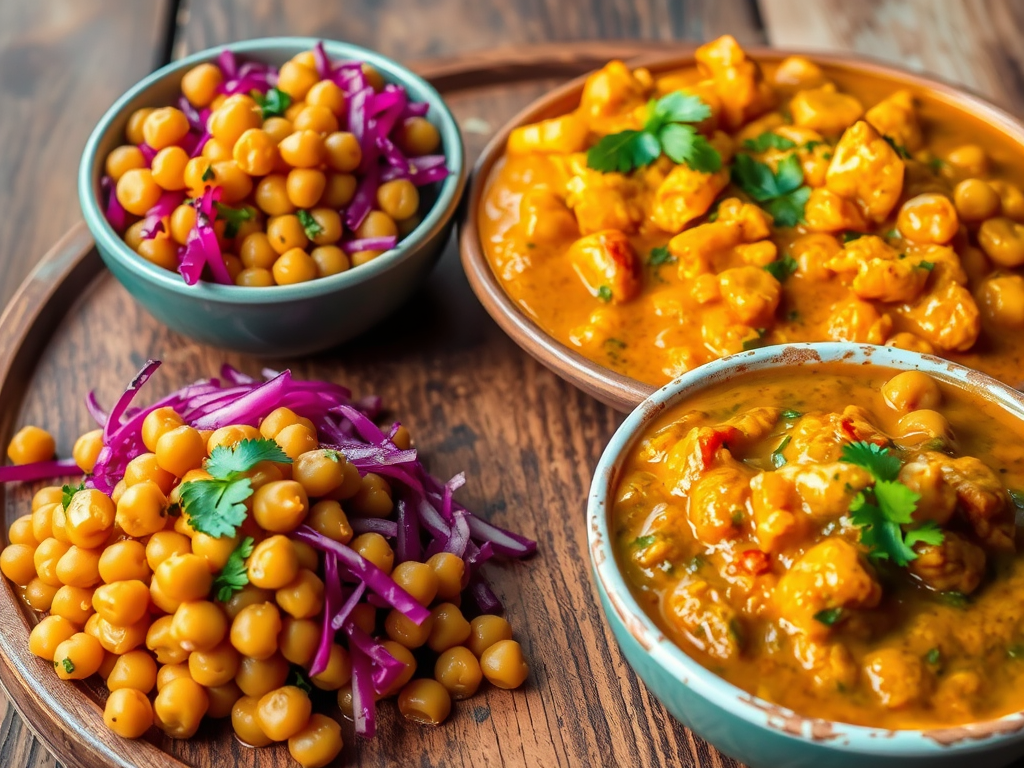
- Chickpeas → High fiber, satisfying
- Kidney beans → Iron + folate
- Black gram → Calcium + magnesium
Traditional Indian meal combinations often demonstrate intuitive understanding of nutrition. The combination of rice with dal and vegetables provides a balanced macronutrient profile that supports steady glucose release, while the inclusion of healthy fats from ghee or oil further slows carbohydrate absorption.
VILLAIN CARBS – The Troublemakers
Poor carbohydrate sources include highly processed foods that have become increasingly common in urban Indian diets. These foods provide empty calories with minimal nutritional value and can cause rapid blood sugar spikes.

Refined & Processed Foods:
- White bread → Empty calories, quick hunger return
- Biscuits & cookies → Trans fats + excessive sugar
- Instant noodles → High sodium + preservatives
- Pastries → Refined flour + unhealthy fats
Sugary Culprits:
- Soft drinks → 7-10 teaspoons sugar per can
- Packaged juices → Lost fiber, concentrated sugar
- Commercial sweets → Refined sugar + artificial colors
- Energy drinks → Caffeine + sugar overload
The proliferation of fast food chains and processed foods in Indian cities has introduced new challenges. The shift from traditional sweets made with jaggery and ghee to commercial sweets with refined sugar and trans fats represents a significant dietary downgrade.
Smart Swaps for Better Health
Making healthier choices doesn’t mean abandoning favorite foods entirely. Simple substitutions can dramatically improve nutritional quality while maintaining taste and satisfaction.
| Instead of… | Choose… | Why? |
| White rice | Brown rice/millet mix | More fiber, slower digestion |
| Maida rotis | Whole wheat rotis | Complete nutrition |
| Sugar in tea | Jaggery/honey | Additional minerals |
| Packaged snacks | Roasted chickpeas | Protein + fiber |
| Soft drinks | Coconut water | Natural electrolytes |
Impact on Blood Health: The Indian Perspective
The relationship between carbohydrates and blood health is particularly significant in India, which has earned the unfortunate title of “diabetes capital of the world.” With over 77 million diabetics, India faces unique challenges in managing carbohydrate intake while maintaining cultural dietary practices.
The Diabetes Reality Check

India’s diabetes statistics are alarming and demand immediate attention. The country accounts for 1 in 6 diabetics globally, with pre-diabetes affecting 25% of urban adults. Diabetes-related deaths exceed 1 million annually, making this a critical public health concern.
Key Statistics:
- India: 77+ million diabetics (world’s highest)
- 1 in 6 diabetics globally is Indian
- Pre-diabetes affects 25% of urban adults
- Diabetes-related deaths: 1 million annually
How Carbs Affect Your Blood Sugar
Blood sugar regulation depends heavily on the type and timing of carbohydrate consumption. Complex carbohydrates, abundant in traditional Indian foods, provide steady glucose release, supporting stable blood sugar levels.
The Good Response (Complex Carbs):
- Slow digestion → Gradual glucose release
- Steady blood sugar → No energy crashes
- Better insulin sensitivity → Reduced diabetes risk
- Sustained satiety → Less overeating
The Bad Response (Simple Carbs):
- Rapid digestion → Sugar spike
- Insulin rush → Quick energy crash
- Increased hunger → Overeating cycle
- Pancreas stress → Diabetes risk
Traditional Indian meal combinations often demonstrate intuitive understanding of blood sugar management. The combination of rice with dal and vegetables provides a balanced macronutrient profile that supports steady glucose release for hours.
Understanding Glycemic Index
The glycemic index becomes particularly relevant for Indians, as staple foods like rice and wheat have different glycemic responses. Choosing lower glycemic index varieties and combining high glycemic foods with fiber and protein can help manage blood sugar levels effectively.
Low GI Foods (Good Choices):
- Brown rice: 50
- Whole wheat: 51
- Chickpeas: 33
- Apples: 38
High GI Foods (Limit These):
- White rice: 73
- White bread: 75
- Watermelon: 72
- Glucose: 100
Regular monitoring of blood glucose levels, especially for those with family history of diabetes, is crucial. Simple strategies like never eating carbs alone, adding vegetables to rice preparations, and walking after meals can significantly impact blood sugar control.
Conclusion: Embracing Carbohydrate Wisdom
Remember the Basics:
- Carbohydrates are essential, not evil
- Choose whole grains over refined ones
- Combine carbs with protein and fiber
- Portion control matters as much as food choice
Honor Your Heritage:
- Traditional Indian meals were naturally balanced
- Seasonal eating provides nutritional variety
- Food combining wisdom from our ancestors still applies
- Fresh, home-cooked meals remain the gold standard
Adapt to Modern Life:
- Reduce portions if you’re less active
- Choose nutrient-dense carbs for sustained energy
- Monitor blood sugar if you have family history of diabetes
- Make gradual changes that your family can maintain
Your Journey Forward
The path to healthy carbohydrate consumption isn’t about completely overhauling your diet overnight. It’s about making informed choices that respect your cultural heritage while supporting your health goals. Start with one small change this week, and build momentum from there.
Remember: In a country where food is celebration, ceremony, and comfort, understanding carbohydrates empowers you to enjoy your rich culinary heritage while nurturing your body for a healthy, energetic life.
Your health is your wealth – invest in it wisely, one meal at a time.



Leave a Reply