Address
304 North Cardinal St.
Dorchester Center, MA 02124
Work Hours
Monday to Friday: 7AM - 7PM
Weekend: 10AM - 5PM

Address
304 North Cardinal St.
Dorchester Center, MA 02124
Work Hours
Monday to Friday: 7AM - 7PM
Weekend: 10AM - 5PM
Indian spices as superfoods isn't just a catchy phrase. Here's what turmeric, cinnamon, fenugreek and more can (and can't) really do for you.
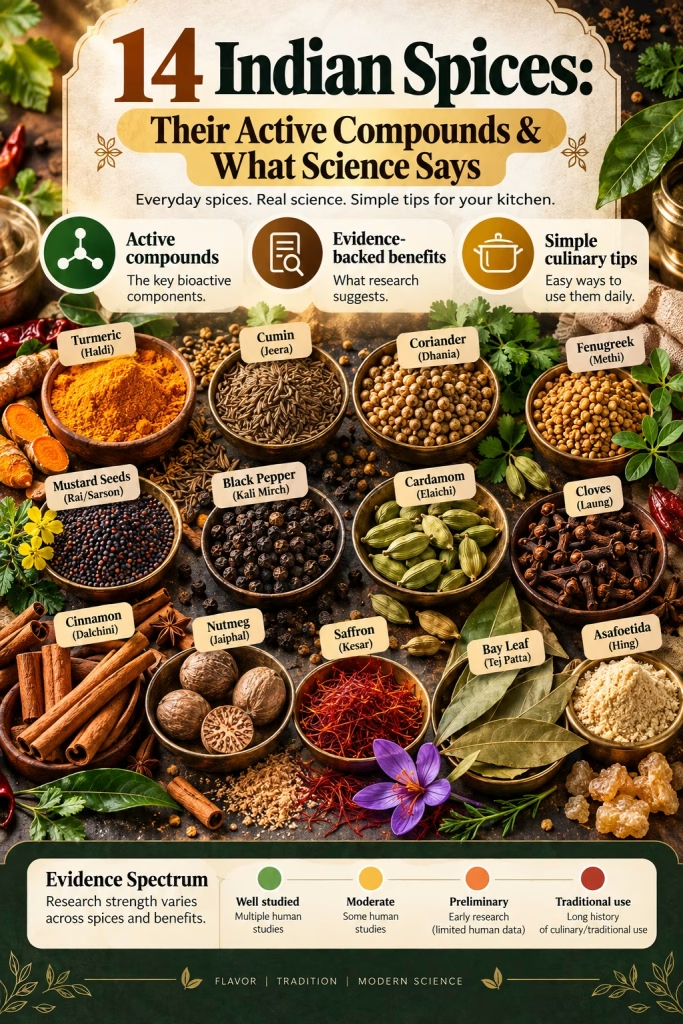
Your grandmother never called turmeric an “anti-inflammatory compound” or cumin a “digestive aid,” she just added a pinch of each without thinking twice, because that is simply how food was made in her kitchen. Turns out she was onto something real, and the growing conversation around Indian spices as superfoods is not just nostalgia dressed up in modern language. It is a genuine, evidence-backed story, though not every spice on your masala shelf earns that title equally.
Every masala dabba sitting in an Indian kitchen is really a small pharmacy of plant compounds, some of them studied extensively by modern science, others still riding almost entirely on centuries of tradition. This guide walks through thirteen of the most common Indian spices, what is actually known about each one, and just as importantly, where the evidence is strong versus where it is still preliminary. We will also cover a genuinely useful and often-missed detail: how two of these spices work dramatically better together than either does alone, and how to think about culinary use versus concentrated supplement claims, since those are two very different things.
Short on time? Skip to the practical summary near the bottom. It has everything you need to act on today without reading the full piece.
Indian cooking has never treated spices as an afterthought, and that instinct has aged well. Spices bring flavor, yes, but many also carry active plant compounds like curcumin, piperine, eugenol and cinnamaldehyde, compounds researchers are actively studying for their effects on inflammation, blood sugar and metabolic health. The honest starting point, before we go spice by spice, is that evidence quality varies enormously across this list. Some spices, like turmeric and cinnamon, have real, peer-reviewed human research behind specific claims. Others, like nutmeg’s effect on mood or cardamom’s effect on blood pressure, are backed mostly by tradition and early-stage research rather than robust clinical trials. This guide will be transparent about that difference throughout, because that is the only honest way to write about spices as superfoods.
| Spice | Key Active Compound | Most-Evidenced Benefit | Evidence Strength | Culinary Tip |
|---|---|---|---|---|
| Turmeric (Haldi) | Curcumin | Anti-inflammatory, antioxidant activity | Well-studied | Pair with black pepper and fat for better absorption |
| Cumin (Jeera) | Cuminaldehyde | Digestive support | Traditional use, some supporting research | Dry-roast and grind fresh for stronger flavor and aroma |
| Coriander (Dhaniya) | Linalool | Mild digestive and antioxidant support | Traditional use, some supporting research | Soak seeds overnight for coriander water |
| Fenugreek (Methi) | Trigonelline, soluble fiber | Blood glucose and cholesterol support | Well-studied (RCTs) | Soak seeds to reduce bitterness before use |
| Mustard Seeds (Rai) | Glucosinolates | Preliminary metabolic/antioxidant support | Preliminary | Temper in hot oil to release aroma, use sparingly |
| Black Pepper (Kali Mirch) | Piperine | Boosts curcumin and nutrient absorption | Well-studied | Always pair with turmeric for better bioavailability |
| Cardamom (Elaichi) | Cineole | Traditionally used for blood pressure support | Preliminary | Crush pods fresh for stronger flavor in chai |
| Cloves (Laung) | Eugenol | Traditionally used, some antimicrobial research | Preliminary | Use whole, remove before serving to avoid overpowering dishes |
| Cinnamon (Dalchini) | Cinnamaldehyde | Insulin sensitivity support | Well-studied (meta-analyses) | Use true Ceylon cinnamon where possible over cassia |
| Nutmeg (Jaiphal) | Myristicin | Traditionally used for sleep/mood | Traditional use only | Use in tiny pinches, large doses are genuinely toxic |
| Saffron (Kesar) | Crocin, safranal | Traditionally used, preliminary mood/memory research | Preliminary | A few strands go a long way, steep in warm milk |
| Bay Leaf (Tej Patta) | Eugenol, linalool | Traditional digestive use | Traditional use only | Remove before serving, adds aroma not meant to be eaten |
| Asafoetida (Hing) | Ferulic acid derivatives | Traditional digestive/anti-flatulent use | Traditional use, some supporting research | A pinch in hot oil at the start of tempering is enough |
Turmeric’s golden color comes from curcumin, its most-studied active compound, and the research behind it is genuinely substantial. A peer-reviewed review in the journal Foods concluded that curcumin has measurable anti-inflammatory and antioxidant effects across a range of human studies, though the review is equally clear that curcumin has notably poor bioavailability on its own, meaning your body absorbs very little of it when eaten in isolation (Hewlings & Kalman, 2017). What this means for you is that the “turmeric cures everything” version of this claim overstates things, while the “turmeric has real, measurable anti-inflammatory activity, especially when absorbed properly” version is well-supported.
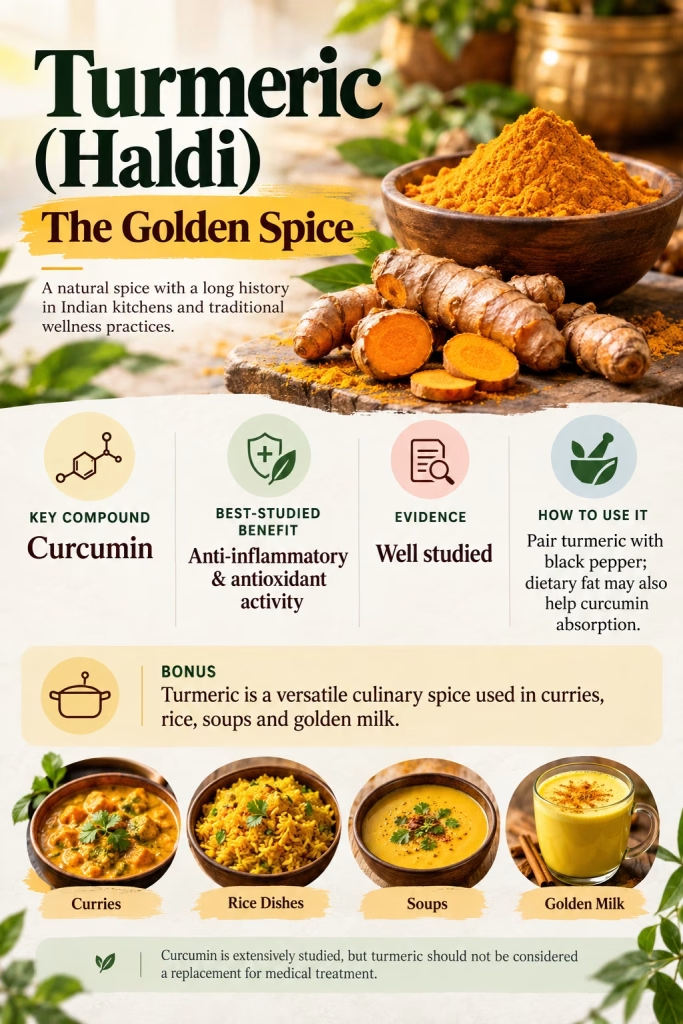
Unique tip: the classic turmeric-and-honey home remedy for a sore throat is a reasonable comfort measure, though it works better as a soothing ritual than a clinically proven cure.
Interesting fact: turmeric has been used in Ayurvedic practice for thousands of years, long before curcumin was ever isolated and named as its active compound.
Cumin has been part of Indian digestive tradition for centuries, most familiar as jeera water sipped after a heavy meal. Some early research points to digestive and antioxidant support from cuminaldehyde, its main active compound, though the body of large-scale human trials is thinner here than for turmeric or cinnamon.

Unique tip: dry-roasting cumin seeds before grinding brings out a noticeably deeper aroma and flavor, and it is worth doing fresh rather than relying on pre-ground jeera powder that has lost potency sitting in a jar.
Coriander seeds carry linalool, a compound associated with mild antioxidant and digestive-supporting properties in early research. Coriander seed water, soaked overnight and consumed the next morning, is a traditional remedy for bloating that has more anecdotal than clinical backing, though it is a low-risk, easy habit to try if bloating is a recurring issue for you.
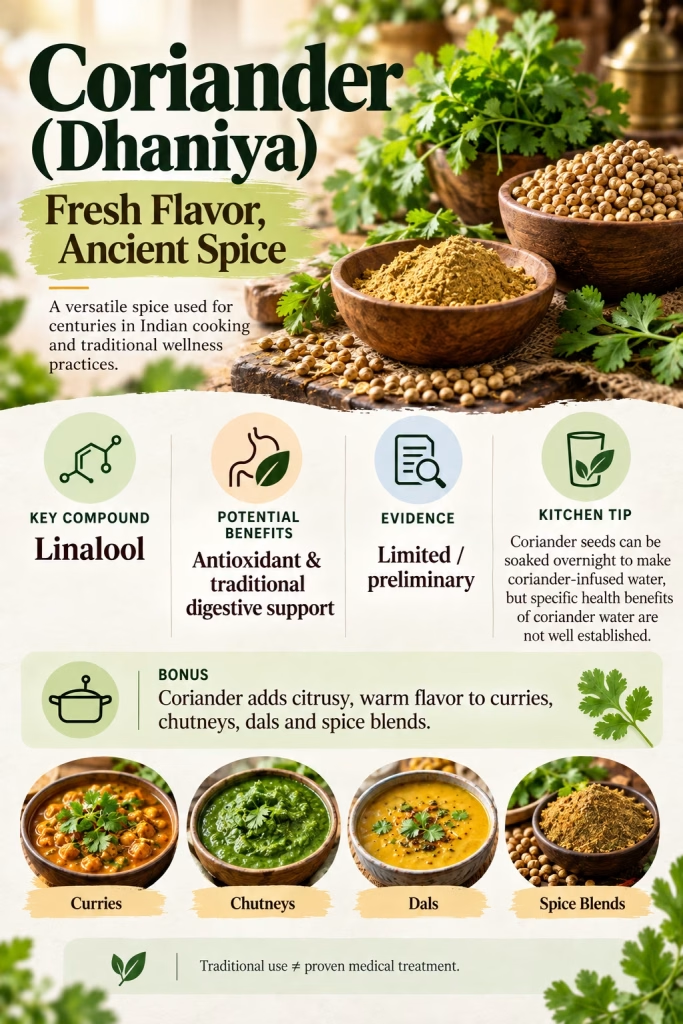
Unique tip: soak a tablespoon of seeds in a glass of water overnight, strain, and drink first thing in the morning.
Fenugreek is one of the more rigorously studied spices on this list. A systematic review and meta-analysis of randomized controlled trials found that fenugreek supplementation significantly reduced fasting blood glucose, post-meal glucose and HbA1c, while also improving total cholesterol, triglycerides and HDL cholesterol, without significant adverse effects reported across the trials reviewed. This is genuinely strong evidence by nutrition-science standards, since it comes from actual randomized trials in humans rather than lab or animal studies alone.

Unique tip: soak methi seeds for a few hours before use to reduce their natural bitterness, especially if you are adding them to dal or vegetable dishes rather than using them in a spice blend.
Mustard seeds contain glucosinolates, plant compounds that have shown antioxidant and preliminary metabolic benefits in early research, some of it in the same broader family of compounds studied for potential cancer-protective effects in cruciferous vegetables. It is important to be precise here: describing mustard seeds as directly “cancer-fighting” overstates what current evidence in whole-food culinary amounts actually shows. The honest framing is that mustard seeds contain compounds under active research interest, not that a spoonful in your tempering oil delivers a proven anti-cancer effect.

Unique tip: temper mustard seeds in hot oil until they pop, which releases their aroma and mellows their natural sharpness.
Black pepper’s pungency comes from piperine, and piperine’s most well-documented effect is not on its own health properties but on how it dramatically boosts the absorption of other compounds, curcumin most famously. A broader review of piperine’s physiological effects found it enhances nutrient absorption and metabolism across a range of compounds, supporting its long culinary pairing with turmeric (Srinivasan, 2007).
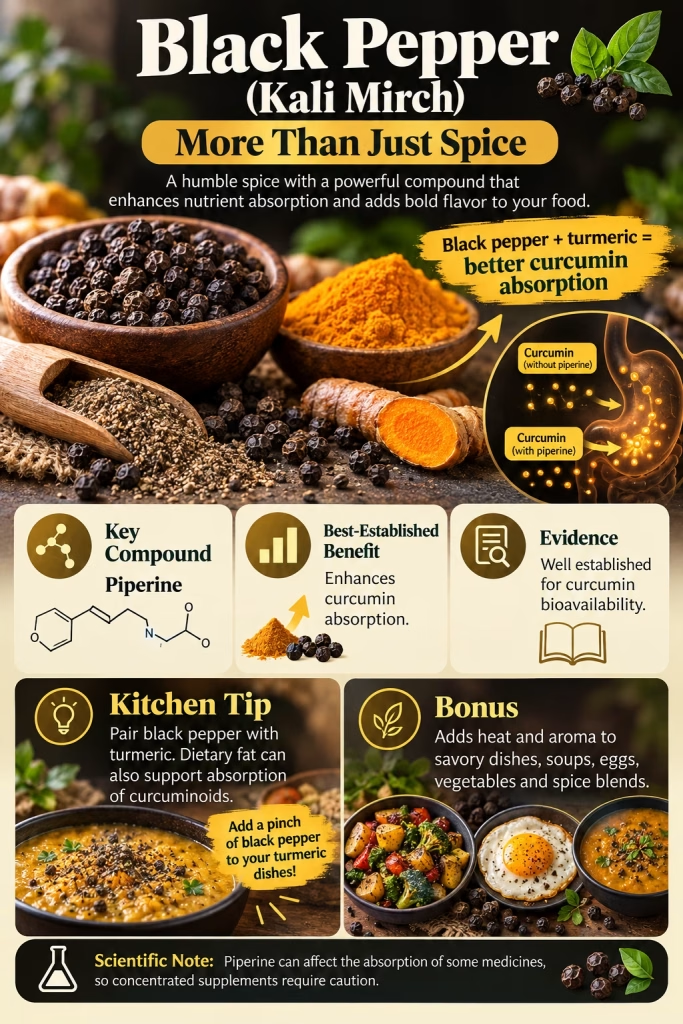
This is one of the most genuinely useful, well-evidenced facts in this entire article, and it deserves its own callout. A landmark study found that adding piperine to curcumin dramatically increased curcumin’s bioavailability in human volunteers, by a factor far beyond what either compound achieves alone (Shoba et al., 1998). What this means practically is that the traditional Indian habit of cooking turmeric with black pepper, and often a source of fat like ghee or oil, is not a coincidence of taste. It is a genuinely effective way to get more out of turmeric’s curcumin content than eating it in isolation ever would.
Try this: a simple golden milk recipe, warm milk with turmeric, a pinch of black pepper and a small amount of ghee, puts this exact synergy into practice in one everyday drink.
Cardamom is prized for its aroma in both sweet and savory Indian cooking, and it is traditionally believed to support healthy blood pressure, an idea with some preliminary research behind it but not yet the volume of large-scale clinical trials that would make it a settled claim. It is fair to describe cardamom as showing early promise in this area rather than a proven blood-pressure remedy.

Unique tip: crush cardamom pods just before adding them to chai or desserts, since the aromatic oils fade quickly once the pod is opened.
Cloves get their distinctive flavor and much of their traditional medicinal reputation from eugenol, a compound with some laboratory-level antimicrobial research behind it. Describing cloves as having proven “antiviral properties” in humans overstates the current evidence, which remains largely preliminary and lab-based rather than confirmed through human clinical trials.
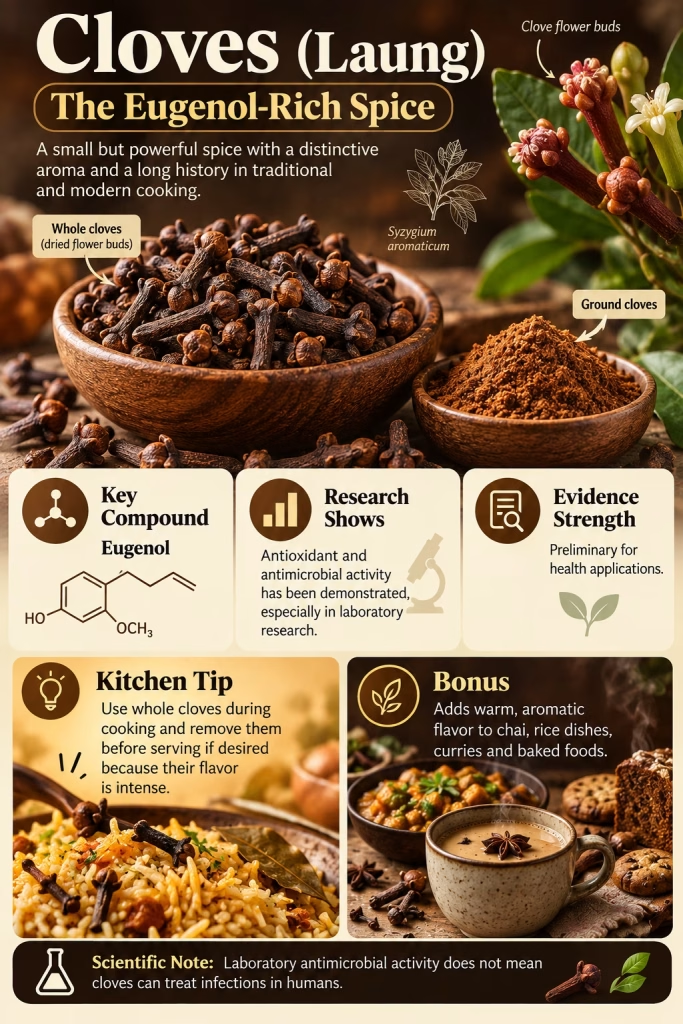
Unique tip: use cloves whole and remove them before serving, since biting into a whole clove delivers an unpleasantly intense, numbing flavor.
Cinnamon has one of the stronger evidence bases on this list for a specific health claim: insulin sensitivity and blood sugar management. A meta-analysis of 24 randomized controlled trials involving over 1,800 participants with Type 2 diabetes found that cinnamon supplementation significantly improved fasting blood sugar, HbA1c and markers of insulin resistance compared to placebo. This is a genuinely well-supported claim by nutrition research standards, though it should be understood as a complementary support alongside standard diabetes management, not a replacement for prescribed treatment.
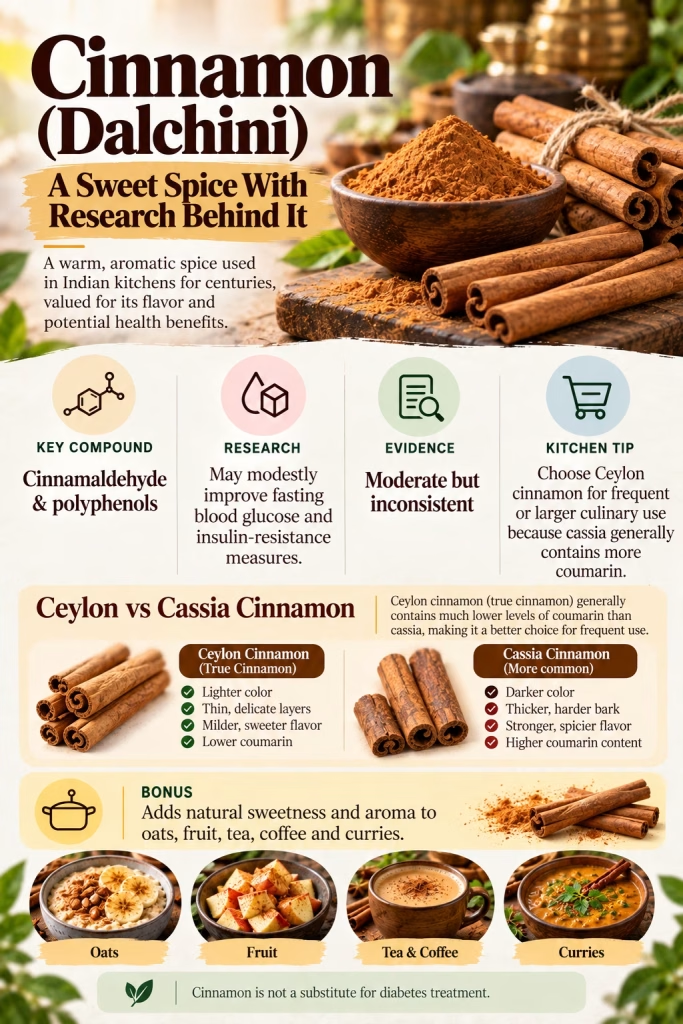
Unique tip: where possible, use true Ceylon cinnamon rather than the more common cassia cinnamon, since cassia contains higher levels of coumarin, a compound best consumed in moderation.
Nutmeg is traditionally used in small pinches to support sleep and mood, an idea rooted almost entirely in traditional use rather than robust modern clinical research. It is worth being direct about this one: nutmeg’s calming reputation is traditional wisdom, not a settled scientific finding, and it should be framed that way rather than as an established fact. Nutmeg also carries a genuine safety consideration worth knowing regardless of the mood claim. In large doses, well beyond ordinary culinary amounts, nutmeg contains myristicin, a compound that can cause hallucinogenic effects and toxicity. Normal cooking amounts, a pinch here and there, are safe. Eating multiple whole nutmegs at once is not, and this is one of the few “natural does not mean unlimited” examples worth taking seriously.
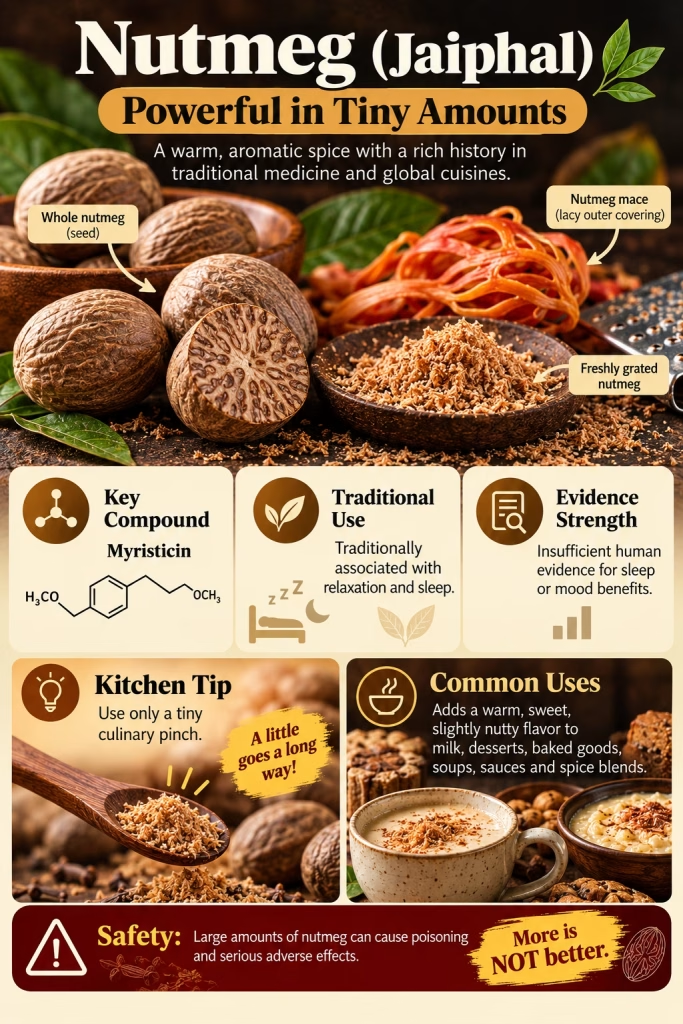
Unique tip: grate fresh nutmeg directly over dishes rather than buying pre-ground, since fresh nutmeg loses potency quickly once ground.
Saffron is one of the most expensive spices in the world, and its reputation for supporting mood and memory has drawn genuine early-stage research interest, though the evidence here remains preliminary rather than conclusive at the level of a settled clinical recommendation. It is fair to say saffron shows promise worth continued research attention, not that it is a proven cognitive or mood treatment.

Unique tip: steep a few strands in warm milk or water for several minutes before adding to a dish, since this releases both color and flavor far more effectively than adding dry strands directly.
Bay leaf contributes aroma more than measurable health effects, and its traditional digestive-support reputation remains largely rooted in culinary tradition rather than clinical evidence. It is a genuinely pleasant, low-risk addition to slow-cooked dishes, but it should be understood primarily as a flavor spice rather than a significant source of health benefits on its own.
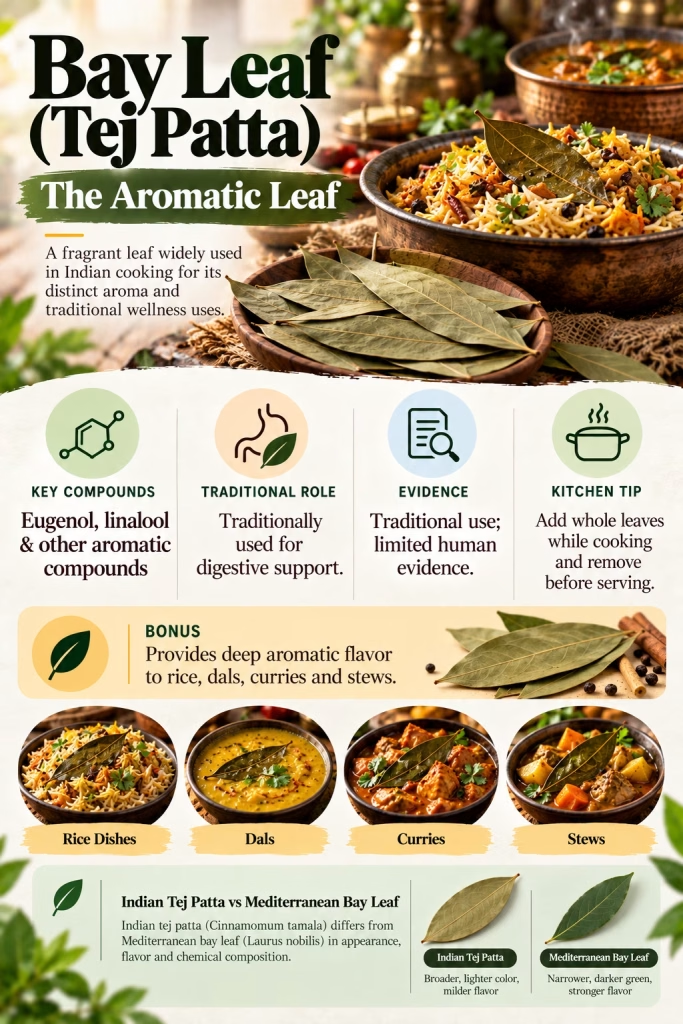
Unique tip: always remove bay leaves before serving, since they remain tough and are not meant to be eaten.
Asafoetida has a long tradition of use for digestive comfort and reducing flatulence, particularly in lentil-heavy vegetarian cooking, and some supporting research exists on its broader digestive properties, though large-scale human clinical trials remain limited.
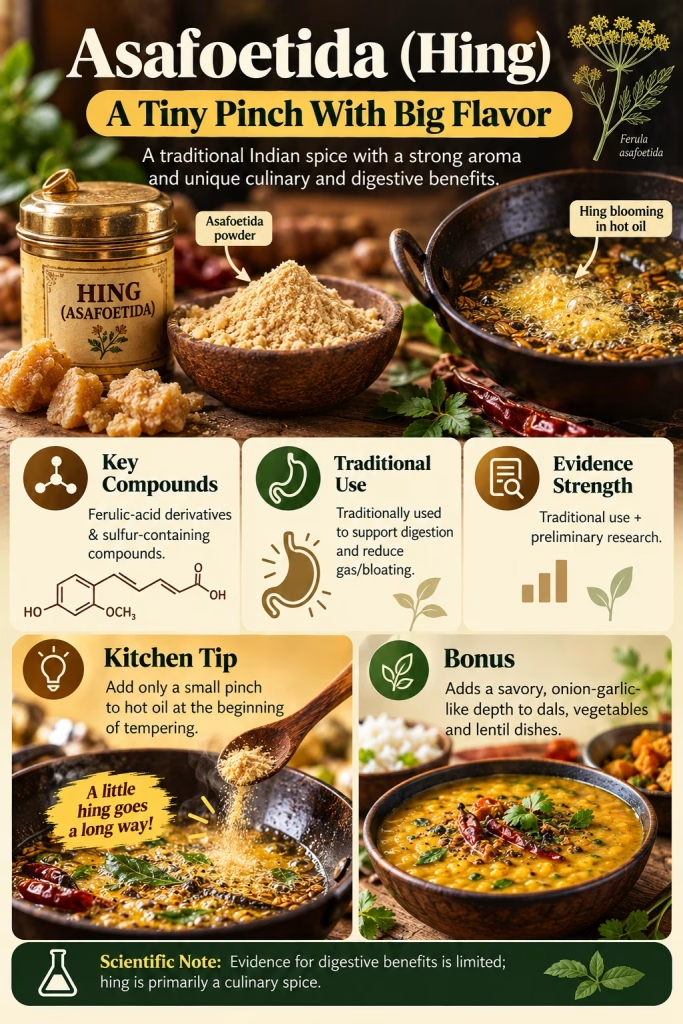
Unique tip: a small pinch added to hot oil at the very start of tempering is enough. Using too much overwhelms a dish with a pungent, sulfurous flavor.
Nearly everything in this guide describes spices in ordinary culinary amounts, a pinch here, a teaspoon there, cooked into food you would recognize. This is a very different context from concentrated spice supplements and extracts, which deliver doses far beyond what you would ever consume through cooking. High-dose turmeric or curcumin supplements, for example, have been studied at doses that would be genuinely impractical to reach through food alone, and they can interact with medications, including blood thinners. Fenugreek supplements can interact with diabetes medication given their blood-glucose-lowering effect. NIH’s National Center for Complementary and Integrative Health notes that turmeric supplements are generally considered safe for most people at typical doses, but recommends caution and medical consultation for anyone on medication or with an existing health condition (NIH NCCIH, Turmeric). What this means for you is simple: cooking with these spices as part of your regular meals is low-risk and genuinely beneficial. Taking concentrated supplement versions of the same spices is a different decision that deserves a conversation with your doctor first, especially if you take any regular medication.
Can spices alone cure or prevent diseases like diabetes or cancer?
No. Spices may support metabolic and inflammatory pathways as part of an overall diet, and some, like cinnamon and fenugreek, have real evidence behind specific blood-sugar benefits. But no spice is a replacement for medical treatment, and claims suggesting otherwise overstate what the research actually shows.
Why does turmeric work better with black pepper?
Piperine, the compound responsible for black pepper’s pungency, dramatically increases curcumin’s absorption in the body, a well-documented effect shown in human research. This is why the traditional pairing of turmeric and black pepper in Indian cooking is genuinely functional, not just a flavor habit.
Is it safe to eat these spices every day?
Yes, in normal culinary amounts used in everyday cooking. Concentrated supplement doses of the same spices, such as high-dose turmeric or curcumin capsules, carry a different risk profile and should be discussed with a doctor, especially for anyone on medication.
Can nutmeg really cause hallucinations?
Yes, but only in very large doses, far beyond a normal cooking pinch, typically involving multiple whole nutmegs consumed at once. Ordinary culinary use in small pinches is considered safe.
Are these spice benefits backed by strong scientific evidence?
Evidence quality varies significantly across this list. Turmeric’s curcumin, cinnamon’s effect on insulin sensitivity, fenugreek’s effect on blood glucose and cholesterol, and piperine’s absorption-boosting effect all have solid research behind them. Claims about nutmeg and mood, cardamom and blood pressure, cloves and antiviral activity, and saffron and memory are more preliminary and should be treated as traditional use supported by early-stage research rather than settled fact.
Do these spices interact with medications?
Some can. Turmeric and curcumin may interact with blood-thinning medications, and fenugreek can interact with diabetes medication given its blood-glucose-lowering effect. Anyone on regular medication should check with a doctor before using concentrated spice supplements or extracts.
Treating a single spice as a cure-all for a serious medical condition, instead of one part of an overall dietary and lifestyle approach, is the most common mistake in how spices get talked about online. A close second is assuming “natural” automatically means “safe at any dose,” when nutmeg’s toxicity at high amounts is a clear, well-documented counterexample sitting right in most kitchen cabinets. Ignoring potential medication interactions when using concentrated spice supplements or extracts, rather than ordinary cooking amounts, is a third mistake worth taking seriously if you are on any regular prescription.
Expert tip: pair turmeric with black pepper and a source of fat, like ghee or oil, to meaningfully boost curcumin absorption. This single combination captures more of the evidence-backed benefit in this article than almost any other individual change you could make.
These are not just ingredients sitting in a spice box. They are stories, generations of kitchen wisdom, and in a genuinely surprising number of cases, real scientific evidence all rolled into one small jar. The honest version of this story is more interesting than the oversimplified one anyway. Some of these spices, turmeric, cinnamon, fenugreek and black pepper especially, have real research behind specific, meaningful benefits. Others carry a more traditional reputation that deserves respect without needing to be dressed up as settled science. That balance, celebrating what is genuinely well-supported while being honest about what still needs more research, is exactly the approach Wellthify tries to bring to every topic we cover, spices included. If you want to see how these everyday spices fit into a wider Indian diet, how these staples fit into a balanced Indian diet is worth reading next.
This article is for general educational purposes and is not a substitute for personalized medical advice. Please consult your doctor before using concentrated spice supplements or extracts, especially if you take regular medication or have an existing health condition.
Subscribe to get the latest posts sent to your email.