

If you’ve ever felt like your blood sugar is running its own Netflix thriller, spiking high after lunch, crashing down by evening, you’re not alone. One minute you’re buzzing with energy, the next you’re eyeing the vending machine like it’s a long-lost lover. The culprit? Often, it’s not just what you eat but the balance of protein, carbs, and fiber on your plate. Think of these three as the squad that decides whether your blood sugar will play nice or throw tantrums.
Here’s the plot twist: it’s not about cutting out your favorite foods, but about how you pair them. That paratha with only pickle? Chaos. The same paratha with dal and salad? Suddenly, your body’s chill. In other words, your plate is less of a menu and more of a mood board for your metabolism. Get the mix right, and your energy stays steady, cravings quiet down, and even your gut bacteria start vibing happily.
The question is, what’s that ideal protein-to-carb-to-fiber ratio that keeps the sugar drama away? Let’s break it down in a way your taste buds (and pancreas) will actually thank you for.

Why Ratios Matter More Than Calorie Counting
Most people obsess over calorie numbers like they’re playing a diet version of Sudoku. But here’s the plot twist: your body doesn’t just care about how much you eat, it cares what those calories are made of.
Carbs – the sprinters of nutrition

Carbohydrates are your body’s go-to energy source. Eat them, and boom, your blood sugar rises fast, fueling your muscles and brain. That’s great if you’re about to run a marathon… or sprint for the bus. But when most of your carbs come from refined sources like white bread, pastries, or sugary drinks, they act more like fireworks: a big burst of energy followed by smoke and silence. Cue the mid-day crash.
Protein – the steady anchor

Protein slows down digestion, so the carbs you eat don’t hit your bloodstream all at once. It’s like having a patient teacher who explains the lesson slowly instead of dumping the entire textbook on you in one go. Beyond blood sugar, protein also keeps you full longer, reduces cravings, and helps maintain lean muscle. Think eggs, beans, paneer, fish, tofu, basically, foods that keep your metabolism from acting like a moody teenager.
Fiber – the peacekeeper

Fiber doesn’t just add bulk to your meals; it’s the behind-the-scenes manager keeping things smooth. Soluble fiber, in particular, forms a gel-like substance in your gut that slows the absorption of sugar. Imagine glucose molecules standing in line rather than stampeding in, thanks to fiber’s crowd-control skills. Plus, fiber feeds your gut bacteria, which release short-chain fatty acids that improve insulin sensitivity. Double win. Read our post to understand more about the function of soluble and insoluble fiber.
When these three show up in the right ratio, they form a balanced team: carbs give you the spark, protein provides staying power, and fiber keeps everything under control. Miss the balance, and suddenly your body’s in chaos, sugar spikes, energy crashes, and snack cravings knocking at your door.
The Goldilocks Ratio: Not Too Much, Not Too Little
So, what do researchers suggest? Well, it’s not a one-size-fits-all formula, your age, activity level, and health goals all play a role. But if we zoom out, science points to a pretty balanced framework for keeping blood sugar under control.
Carbs: 40–50% of your calories
Carbs aren’t villains, they’re your body’s main energy supply. The trick is choosing slow and steady carbs like whole grains, legumes, fruits, and vegetables instead of fast-track carbs like sodas, biscuits, and doughnuts. Whole carbs come bundled with vitamins, minerals, and fiber that prevent glucose from rushing in like an uninvited guest.
Protein: 25–30% of your calories
Protein is like the moderator in a debate, it keeps carbs from dominating the conversation. Not only does it slow digestion, but it also helps repair tissues and keeps hunger pangs at bay. From humble dal to paneer, fish, chicken, eggs, or even plant-based tofu, protein deserves its starring role on your plate.
Fiber: at least 25–35 grams per day
Fiber doesn’t show up in flashy Instagram reels, but trust me, it’s the unsung hero. It bulks up your meals, helps you feel full, slows down glucose absorption, and even keeps your gut microbiome throwing mini-parties. Whole grains, beans, pulses, nuts, seeds, and loads of veggies are where you’ll find it.
Now, if you hate math, here’s the simplest way to imagine it:
For every 4 parts of carbs, aim for 1 part protein and 1 part fiber.
A real-life example:
- 1 cup rice (carb)
- ½ cup dal or chicken (protein)
- 1 cup sautéed veggies or salad (fiber)
That’s not just a balanced plate, it’s a blood-sugar-friendly squad meal. Instead of leaving you bloated, sleepy, or snack-hungry two hours later, it keeps your energy smooth and steady. Think of it as building a plate where carbs bring the spark, protein holds the structure, and fiber ensures peace in the kingdom. Miss one, and you’ve got a metabolic mutiny on your hands.
Common Questions People Ask
Do I need to cut carbs completely?
Nope. Carbs are your brain’s favorite fuel. The trick is choosing complex carbs (like oats, quinoa, brown rice, or chapati made from multigrain flour) instead of refined ones. Cutting carbs entirely can leave you sluggish, cranky, and craving sugar bombs.
Can I just add fiber supplements?
Supplements help if you’re struggling, but real food fiber brings bonus nutrients, antioxidants, and satiety. Plus, whole-food fiber keeps your gut microbiome happy, and a happy gut means better blood sugar control. Think of supplements as a backup singer, not the lead vocalist.
Isn’t more protein always better?
Not exactly. Too much protein (especially from animal sources) can strain your kidneys if you’re already at risk. Also, excess protein can sometimes convert into glucose (via gluconeogenesis), defeating the purpose. Balance is the key, moderation with variety.
What about fat?
Healthy fats (nuts, seeds, olive oil, avocado, desi ghee in moderation) are like your blood sugar’s best friend, they slow carb absorption and improve satiety. Just don’t let deep-fried snacks or trans-fat–loaded foods sneak in, because they’re silent troublemakers for both sugar and heart health.
Can I balance my plate even when eating out?
Yes! A few smart swaps can help. If you’re at an Indian restaurant, pair naan or biryani with dal, grilled chicken, or a veggie side. If it’s fast food, add a salad, skip the sugary drink, or swap fries for a protein-rich snack. You don’t have to skip social meals, you just have to play the ratio game smartly.
Do meal timings matter, or only ratios?
Both matter. Even the perfect ratio won’t save you if you skip meals all day and then binge at night. Spacing meals evenly, every 3–4 hours, helps avoid sugar highs and lows. Think of it as Netflix episodes: you enjoy the show better when you don’t binge-watch everything at 2 AM.
How to Build a Blood-Sugar-Friendly Plate
Balancing your plate isn’t rocket science, it’s more like playing Jenga with food. Stack things right, and you’ve got stability. Stack them wrong, and… crash. Here’s how to nail it:
Start with protein
Build your plate around protein first. Add dal, chicken, fish, paneer, tofu, or eggs before piling on the carbs. Why? Because protein slows digestion, balances blood sugar, and keeps you fuller for longer. It’s like setting the foundation before decorating the house.
Fill with fiber
Half your plate should be non-starchy veggies or salads, think spinach, beans, broccoli, carrots, cucumbers, or sautéed greens. Fiber helps regulate glucose entry and keeps digestion smooth. Plus, it adds volume without overloading calories, so you eat more food but with fewer sugar spikes.
Choose carbs wisely
Don’t ban carbs, upgrade them. Swap white rice for brown or red rice, regular chapati for multigrain or millet versions, biscuits for roasted chickpeas, and fries for sweet potato wedges. Whole carbs bring along vitamins, minerals, and fiber, unlike refined ones that just dump sugar into your bloodstream.
Don’t forget portion size
Even healthy food can trigger spikes if the portions are oversized. One bowl of brown rice = balanced; three bowls = sugar drama. A good rule: a fist-sized serving of carbs, a palm-sized portion of protein, and half a plate of veggies. Your plate, not your pantry, should decide how much you eat.
Bonus hack: always mix and match
Never eat carbs alone, they love causing chaos when unsupervised. Always pair them with protein and fiber. For instance, swap plain bread for multigrain bread with peanut butter and cucumber slices. Or instead of just fruit juice, go for whole fruit with a handful of nuts. The goal: slow down the sugar release while still enjoying your favorite foods.
Quirky But True Tips
- Eating carbs alone is like sending your blood sugar on a rollercoaster without seatbelts. You’ll get the thrill of an energy spike, but the crash afterward is brutal. Always invite protein and fiber along for a safer ride.
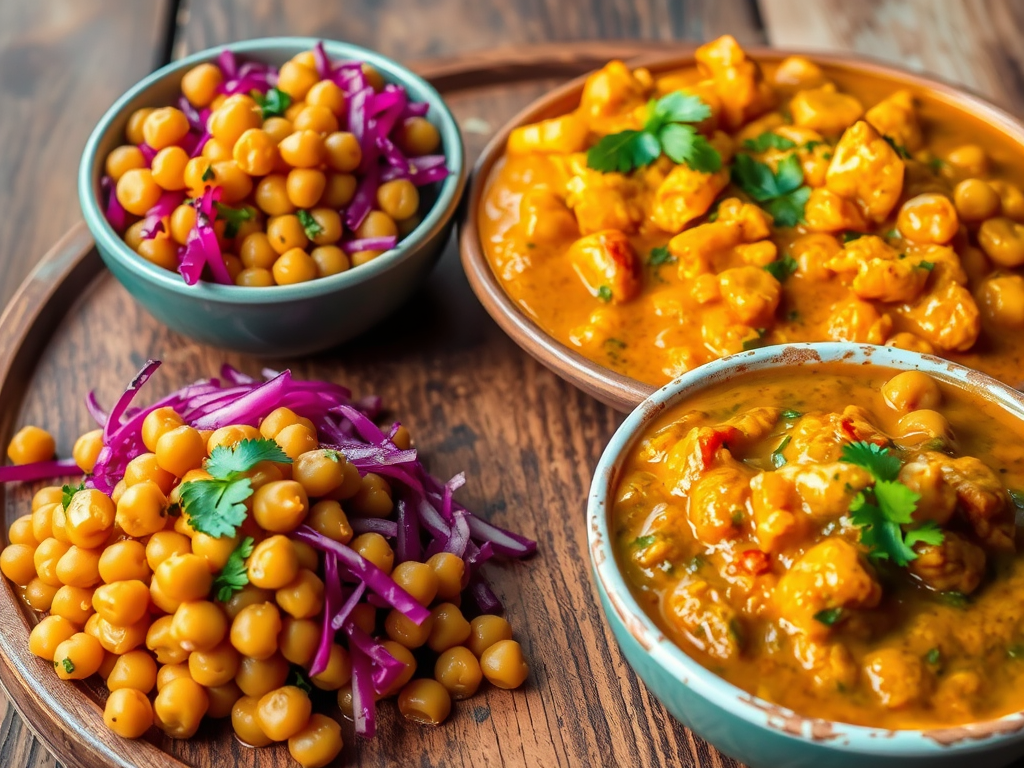
- Dal-chawal-sabzi? Basically India’s version of a perfect blood sugar–balanced meal.
It naturally hits the protein-carb-fiber trio, proving our grandmothers were metabolic geniuses before “ratios” became trendy. - Your gut bacteria throw a party every time you eat fiber, they literally dance (okay, ferment) to keep your sugar steady.
Happy gut bugs = better insulin sensitivity = a calmer blood sugar curve. Turns out your microbes like salads more than you do. - Portion size is the unsung hero of blood sugar control.
Even the healthiest food can backstab you if you triple the portion. Remember: moderation is the secret spice. - Protein doesn’t just build muscles, it also calms carb chaos.
Add an egg to your toast or paneer to your chapati, and suddenly, your sugar is sipping chai instead of sprinting. - Hydration sneaks into the blood sugar story too.
Dehydration makes glucose levels rise faster, so sip water through the day. Think of it as giving your bloodstream a smooth highway instead of a traffic jam. - Cooking style can flip your sugar response.
Boiled potatoes = quick sugar hit; cooled potatoes (hello, aloo chaat leftovers) = resistant starch that keeps sugar calmer. Science can be tasty.
Bottom Line
You don’t need complicated apps, crash diets, or a PhD in nutrition to control your blood sugar. All you need is the right protein-to-carb-to-fiber ratio on your plate. Think of it as a three-legged stool, take one away, and things get wobbly. So, the next time you eat, ask: “Where’s my protein? Where’s my fiber? Are my carbs behaving?” If yes, you’re winning the blood sugar game.
The beauty of this approach is that it works with almost any cuisine, be it Indian thalis, Mediterranean mezze, or even your grab-and-go lunchbox. It’s not about restriction, it’s about smarter combinations. Over time, these small choices compound: steadier energy, fewer sugar crashes, and even reduced risk of diabetes and heart disease. Plus, your gut health and mood will thank you, too.
And the best part? You don’t have to give up the foods you love. Just tweak how you pair them, and your plate transforms from sugar-spiking to sugar-steady. Balance isn’t boring, it’s the secret sauce to enjoying your meals while keeping your health goals in check..
Your next meal can either fuel a sugar crash or steady energy. Try tweaking just one plate today, add an extra handful of veggies, swap white rice for brown, or toss in a boiled egg. Small changes, steady sugar, happier you. Ready to make your plate your health’s secret weapon? Start today.
References
- Slavin, Joanne L. Dietary fiber and body weight. Nutrition. 2005 Mar;21(3):411-418. https://doi.org/10.1016/j.nut.2004.08.018
- Ludwig, David S. The glycemic index: physiological mechanisms relating to obesity, diabetes, and cardiovascular disease. JAMA. 2002 May 8;287(18):2414-2423. https://doi.org/10.1001/jama.287.18.2414
- Reynolds, Andrew, Mann, Jim, Cummings, John, Winter, Nerys, Mete, Emin, Te Morenga, Lisa. Carbohydrate quality and human health: a series of systematic reviews and meta-analyses. The Lancet. 2019 Feb 2;393(10170):434-445. https://doi.org/10.1016/S0140-6736(18)31809-9
- Gannon, Mary C., Nuttall, Frank Q. Effect of a high-protein, low-carbohydrate diet on blood glucose control in people with type 2 diabetes. Diabetes. 2004 Apr;53(9):2375-2382. https://doi.org/10.2337/diabetes.53.9.2375

Leave a Reply