

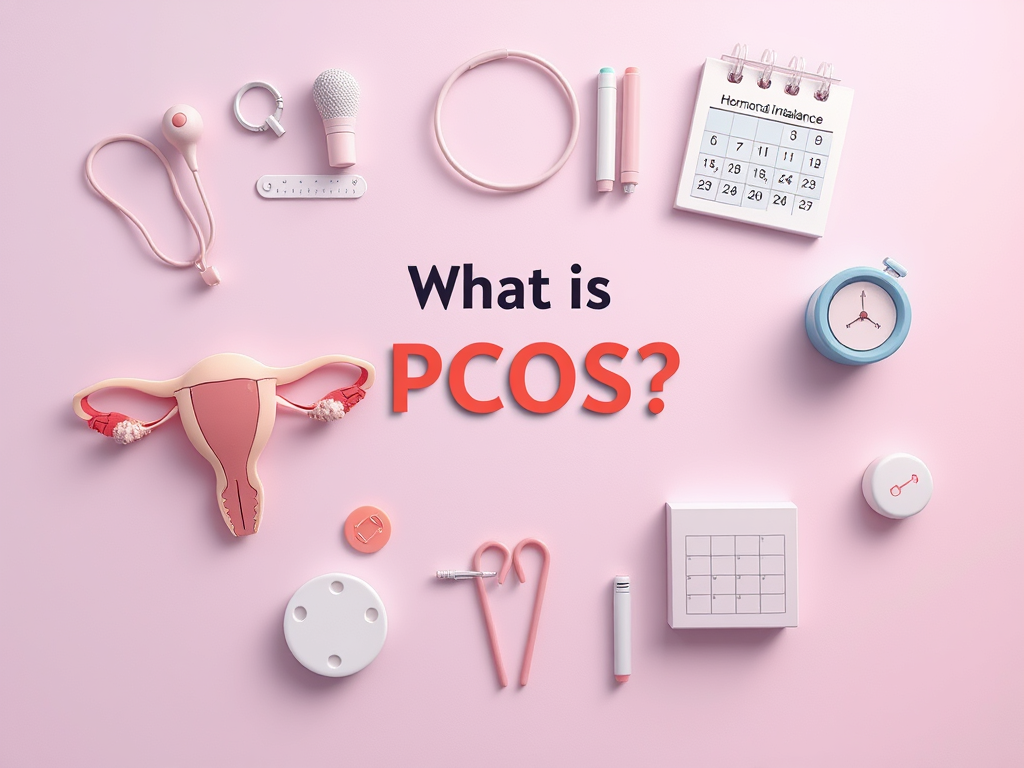
Ever felt like your body is being run by a glitchy app? Periods gone rogue, skin acting up, and weight that sticks like glitter on a party dress? Welcome to the mystery that is PCOS – Polycystic Ovary Syndrome. It’s one of the most common yet misunderstood hormonal conditions affecting millions globally. Let’s decode this hormonal drama and why everyone (yes, even men and allies) should know about it.

Because PCOS isn’t just about missed periods or facial hair, it’s about hormones that go off-script and throw your whole system into chaos. It silently affects fertility, metabolism, mental health, and even your risk for chronic diseases. And yet, many women go undiagnosed for years, brushing off symptoms as “just stress” or “normal”. The truth? PCOS is anything but simple. Behind the bloating, breakouts, and mood swings lies a deeper story of imbalance, resilience, and the urgent need for awareness. Ready to dive in? Let’s break the silence around PCOS.
What Even Is PCOS?
Polycystic Ovary Syndrome (PCOS) is a hormonal disorder that causes the ovaries to produce higher-than-normal levels of androgens, commonly known as male hormones, though women naturally produce them too, just in smaller doses. Despite its name, you don’t need to have actual cysts on your ovaries to be diagnosed with PCOS. In fact, many don’t have any cysts at all.
Think of it as your hormonal playlist being scrambled, your body hits “shuffle” and suddenly, nothing feels in tune.
Normally, ovaries release one egg each month in a process called ovulation. But with PCOS, this system can malfunction. Hormonal imbalances interfere with the release of eggs, leading to irregular or completely absent periods. And it doesn’t stop there, this disruption affects far more than your menstrual cycle. It’s a full-body hormonal ripple effect that can impact metabolism, skin, weight, fertility, and mood.
Who’s at Risk?
PCOS doesn’t play favorites, it can affect anyone. But certain factors can tip the hormonal scale and raise your chances of developing it. It’s not always clear-cut, but here’s what science has observed:
1. Family History:
If your mother, sister, or even aunt has PCOS, your risk increases significantly. PCOS often runs in families, hinting at a strong genetic component. Researchers believe multiple genes may be involved, all interacting in complex ways to affect how your body processes hormones.
2. Insulin Resistance & Obesity:
About 70% of women with PCOS also have insulin resistance, meaning their bodies don’t use insulin effectively, leading to higher blood sugar levels. This triggers the ovaries to produce more androgens, worsening PCOS symptoms. While not everyone with PCOS is overweight, excess weight, especially around the abdomen, can intensify symptoms and make management trickier.
3. Genetics + Environment = Hormonal Chaos:
You might have the genes, but your lifestyle and environment decide whether they get “switched on.” Things like poor sleep, chronic stress, exposure to endocrine disruptors, and unhealthy eating patterns can all fuel the hormonal imbalance fire.
4. High Sugar Intake & Sedentary Lifestyle:
While a diet high in sugar and refined carbs doesn’t cause PCOS directly, it can exacerbate insulin resistance and make symptoms worse. Combine that with a lack of physical activity, and the risk compounds. Your body’s hormonal regulation system thrives on movement and nutrient-rich foods.
5. Ethnicity and Region:
Certain populations, including South Asian women, are at a higher risk of developing PCOS and related complications like diabetes and cardiovascular disease. This makes early detection and lifestyle awareness even more crucial in regions like India.
According to the Indian Council of Medical Research (ICMR), PCOS affects an estimated 1 in 5 women of reproductive age in India. That’s millions of women dealing with undiagnosed symptoms, hormone-related health issues, and a lot of misinformation.
PCOS is like a silent operator, it starts in your hormones but ripples into nearly every system in your body. Recognizing the risk factors is the first step in taking back control.
How Does PCOS Mess With You?
Let’s not sugarcoat this, it messes with a lot. PCOS isn’t just a “period problem” you can brush off. It’s a full-blown hormonal uprising that can affect everything from your skin to your sleep to your state of mind.

1. Period Problems (The Obvious Ones):
Your menstrual cycle is often the first to wave the red flag.
- Irregular periods or long gaps between cycles
- Missed periods altogether (and no, not the good kind)
- Heavy or prolonged bleeding when periods do arrive
These are all signs your body’s ovulation system isn’t running on schedule, or at all.
2. Physical Changes That Make You Go, “Wait, What?”
PCOS shows up in your mirror, too.
- Persistent acne, especially on the jawline and cheeks (hello, hormonal breakouts!)
- Excessive hair growth on areas like the face, chest, back, or stomach, known as hirsutism
- Thinning hair or hair loss on the scalp, often similar to male-pattern baldness
- Oily skin, dark patches, or skin tags, especially in body folds like the neck or underarms
3. Internal Imbalances and Metabolic Mayhem:
PCOS is sneaky, it works inside just as aggressively as it does outside.
- Infertility or trouble conceiving due to lack of regular ovulation
- Insulin resistance, which increases your risk of type 2 diabetes and makes weight management more difficult
- Weight gain, particularly around the abdomen, even when you’re trying your best
- Fatigue, poor sleep quality, and increased cravings due to blood sugar fluctuations
4. Mental and Emotional Turmoil:
This is the side of PCOS that often gets ignored, but shouldn’t.
- Anxiety and mood swings that feel out of proportion
- Depression, often rooted in hormonal shifts, lifestyle struggles, or body image issues
- Low self-esteem, fueled by weight gain, acne, or infertility challenges
A 2020 meta-analysis published in Fertility and Sterility found that women with PCOS are three times more likely to experience anxiety and depression than those without the condition.
In short, PCOS doesn’t just show up once a month. It’s a daily disruption; physically, mentally, emotionally. And that’s why awareness, empathy, and early diagnosis matter so much.
Can It Be Cured?
Here’s the straight-up truth: PCOS cannot be “cured.”
There’s no magical pill, no one-size-fits-all treatment, and definitely no overnight solution.

BUT (and it’s a big but), it can absolutely be managed. In fact, many people with PCOS live full, healthy lives by learning to work with their hormones, not against them.
Think of PCOS like a rebellious teenager, it’s moody, unpredictable, and needs boundaries. It doesn’t respond well to quick fixes, but with consistency, understanding, and a little lifestyle restructuring, you can bring it back into balance.
This isn’t about “fixing” yourself, it’s about tuning in, adjusting the dials, and learning how your unique system functions best. Managing PCOS is less of a sprint and more of a long-term relationship with your body, and once you crack the code, the results are empowering.
Managing PCOS Like a Boss
PCOS may be a hormonal curveball, but with the right strategies, you can absolutely take charge. The goal isn’t to “beat” it, but to balance your system, reduce symptoms, and improve overall health. Here’s your toolkit:
1. Diet: Your First Line of Defense
Food is not just fuel, it’s a powerful hormone regulator.
- Focus on low-GI (glycemic index) foods like whole grains, lentils, vegetables, and berries to keep blood sugar levels stable.
- Cut back on refined sugars, white carbs, and processed junk—they spike insulin, which worsens PCOS symptoms.
- Load up on fiber, healthy fats (like nuts and olive oil), lean protein, and omega-3-rich foods like flaxseeds and fatty fish.
A study published in the Journal of Clinical Endocrinology found that following a low-GI diet improved insulin sensitivity and menstrual regularity by 48% in women with PCOS.
2. Exercise: Move It to Regulate It
Regular physical activity helps balance hormones, improve insulin response, and elevate mood.
- Go for moderate-intensity workouts like brisk walking, cycling, swimming, yoga, or strength training.
- You don’t need a bootcamp, just 30 minutes a day can dramatically improve metabolic and hormonal health.

3. Medications: Backed by Science, Prescribed with Care
When lifestyle changes need backup, medication can step in.
- Metformin helps regulate blood sugar and insulin resistance.
- Birth control pills help regulate cycles and manage symptoms like acne and excess hair.
- Anti-androgens like spironolactone may be prescribed to reduce testosterone-driven symptoms.
Always consult a doctor before starting any medication, PCOS is a spectrum, and treatment should be personalized.
4. Stress Management: Because Cortisol Loves Drama
Chronic stress spikes cortisol, which can throw your hormones even further out of sync.

- Practice mindfulness, meditation, deep breathing, or light yoga.
- Journaling, nature walks, and therapy can also help process emotional weight.
- And hey, a solo dance party in your room totally counts as therapy.
Managing PCOS is about creating a life that supports your hormones, not fights them. With the right mix of lifestyle habits, support, and patience, your body can, and will, respond.
Does PCOS Affect Fertility Forever?
Not necessarily, and definitely not always.
Yes, PCOS is one of the most common causes of ovulatory infertility, but that doesn’t mean the door to parenthood is closed. It just means the journey might take a few more turns and pit stops than expected.
Here’s the science-backed hope:
Around 70–80% of women with PCOS who want to get pregnant do conceive, either naturally or with a little help.

The key? Addressing the hormonal imbalances that interfere with ovulation. With the right mix of lifestyle changes, medication, and sometimes assisted reproductive techniques (like ovulation induction or IVF), many women successfully go on to have healthy pregnancies.
So no, PCOS isn’t a “baby ban.” It just demands a more personalized, patient, and well-supported path to conception. Your body may need some nudging, but it’s far from incapable.
Numbers You Shouldn’t Ignore
- 1 in 10 women worldwide is estimated to have PCOS (World Health Organization, 2023).
That’s hundreds of millions silently struggling with symptoms many still brush off.
And yet, public awareness remains shockingly low, leading to delayed care and silent suffering.
PCOS is one of the leading endocrine disorders in women of reproductive age. - 50–70% of women with PCOS remain undiagnosed, often for years.
Why? Because symptoms can be so varied and easily mistaken for “normal” hormonal ups and downs.
There’s also no single definitive test, diagnosis is a combination of signs, symptoms, and medical imaging.
This delay in diagnosis often leads to worsening health complications before treatment even begins. - Women with PCOS have a four times higher risk of developing type 2 diabetes.
This is largely due to chronic insulin resistance, where your cells stop responding to insulin properly.
Over time, this can escalate into full-blown metabolic syndrome.
Early intervention can drastically reduce this risk, but only if the condition is caught in time. - PCOS is linked to a 30% increased risk of heart disease.
Yet cardiovascular risks are rarely discussed in gynecology visits.
High cholesterol, high blood pressure, and inflammation are common in PCOS patients.
Routine heart screenings are crucial, but not commonly offered. - An estimated 40–60% of women with PCOS are either overweight or obese.
It’s not simply about calories, insulin and androgen imbalances play a huge role.
This makes weight management incredibly frustrating and emotionally draining.
Still, small and consistent lifestyle changes can lead to powerful metabolic improvements.
When Should You See a Doctor?
Let’s get one thing straight: irregular periods are not something you should just “wait out”, especially if they’ve become the new normal. Your body has its own way of waving red flags, and when those flags come in the form of disappearing periods, sudden breakouts, or unexpected hair growth in unusual places, it’s time to pause and pay attention.
You should consider seeing a doctor if:
- Your periods are consistently irregular, very light, unusually heavy, or have stopped altogether.
- You’re struggling with sudden or severe acne, especially if it’s cystic and resistant to skincare.
- You notice unusual hair growth (like on your chin, upper lip, chest, or back) or thinning hair on your scalp.
- You’re experiencing unexplained weight gain, bloating, or chronic fatigue despite a healthy routine.
- You’ve been trying to conceive for a year or more without success (or six months if you’re over 35).
- You feel emotionally “off”, persistent mood swings, anxiety, or depression can also be hormonal in origin.
- You just have a gut feeling something isn’t quite right with your body. Trust it.
Early diagnosis can make a huge difference in how you manage PCOS, not just for your reproductive health, but for your long-term risks of diabetes, cardiovascular disease, and mental health challenges.

How Is PCOS Diagnosed?
A PCOS diagnosis isn’t based on one single test. Doctors typically rely on a combination of assessments to paint a full picture:
- Hormonal blood tests – to check levels of androgens (testosterone), LH, FSH, insulin, thyroid hormones, and prolactin.
- Pelvic ultrasound (transvaginal or abdominal) – to look for enlarged ovaries or the presence of multiple small follicles (often mistakenly called “cysts”).
- Physical and clinical symptom review – based on visible signs like acne, hirsutism (excess hair), scalp hair loss, and irregular menstruation.
Doctors often use the Rotterdam criteria to diagnose PCOS. According to this guideline, you need to meet at least two out of three of the following:
- Irregular or absent ovulation (usually seen as irregular periods)
- Excess androgen levels (clinically or through blood tests)
- Polycystic ovaries visible on ultrasound
The process may sound clinical, but it’s your best shot at understanding your body better, and taking back control. Don’t self-diagnose. Don’t Google-diagnose. A real conversation with your gynecologist or endocrinologist is the best next step.
Things Everyone (yes, everyone) Should Know
Let’s clear the air, PCOS isn’t just “a women’s issue” or a matter of irregular periods. It’s a complex, chronic condition that impacts everything from metabolism to mental health. Whether you’re someone who has PCOS, knows someone who does, or simply want to be a more empathetic human being, here’s what you need to know:
- PCOS isn’t just about ovaries, it’s a whole-body condition.
It affects the endocrine system, metabolism, reproductive hormones, skin, mood, sleep, and even heart health. It’s not something that exists in isolation or only during “that time of the month.” - Weight gain isn’t your fault, hormones are tricky.
Many women with PCOS struggle with insulin resistance, which makes weight loss harder and weight gain easier, even with diet and exercise. Telling someone to “just eat less” isn’t just unhelpful, it’s misinformed. - No two cases look the same, PCOS is a spectrum.
Some women may have regular periods but struggle with acne and infertility. Others may not have cysts at all. There’s no “one-size-fits-all” symptom set, which is why diagnosis is often delayed or missed entirely. - Empathy matters. Please don’t tell someone to ‘just lose weight.’
Weight bias and body shaming only add to the emotional burden PCOS already creates. Support, understanding, and a willingness to listen go a lot further than unsolicited advice. - PCOS doesn’t always scream, it often whispers.
Subtle changes in mood, energy, sleep, or skin might be early signs. Many symptoms mimic other conditions or get brushed off. Education and awareness can help catch it earlier. - Men, allies, friends, yes, you should care too.
Supporting someone with PCOS goes beyond “female problems.” It’s about showing up, understanding the emotional and physical toll it takes, and advocating for better awareness and research.
In Conclusion
PCOS is real. It’s messy. And yes, it’s often misjudged. But it’s also manageable, liveable, and beatable, not by “fixing” your body, but by understanding it.
From hormonal chaos to emotional rollercoasters, PCOS can feel like your body’s running on a script you didn’t write. But with the right mix of medical care, smart nutrition, movement that feels good, and mental health check-ins, you can absolutely lead a strong, powerful, and joyfully balanced life.
It’s time to ditch the shame, break the silence, and treat PCOS not as a curse, but as a call to action.
Let’s normalize conversations around women’s health. Let’s demand better awareness, earlier diagnoses, and more empathy. Because what affects millions of women isn’t just a private issue, it’s a public priority.
You are not alone. Millions are walking this path with you, some in silence, some in strength, all in solidarity.
Healing starts with knowledge, and continues with kindness, support, and small daily wins.
Your story is valid, your struggles are real, and your journey is worth fighting for.
Think your hormones are out of whack? Talk to your gynecologist.
Know someone struggling with PCOS? Be the friend who listens, not the one who gives unsolicited advice.
Want to know more? Read, research, and respect your body.


Leave a Reply