

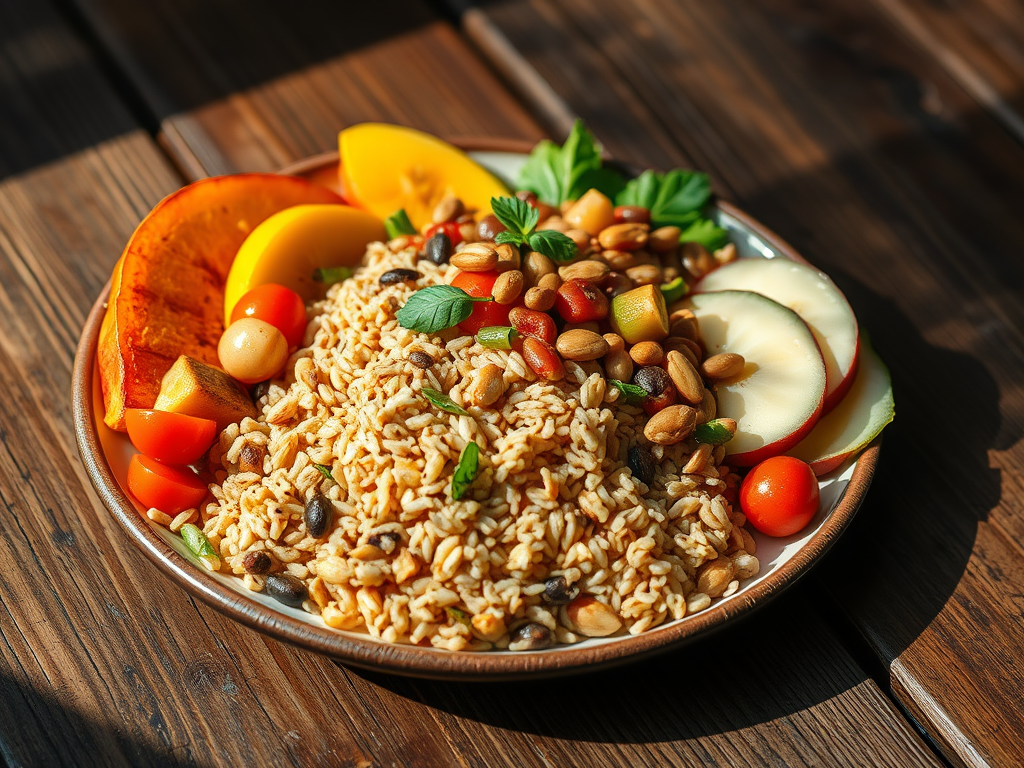

Let’s be honest—when someone says “ideal diet”, our brain either does a happy dance or sprints for cover behind a bag of chips. (Probably the masala-flavored ones, let’s be real.) But hang tight—we’re not here to tell you to eat like a monk or survive on kale smoothies and cucumber-infused water. Nope. This is not a broccoli-only zone.
We’re talking real food, for real people, with real goals—like staying active without needing four cups of coffee, smiling more often (and not just because you’re hangry), having that magical skin-glow thing going on, and not crashing at 3 p.m. like a tired phone battery on 4%. You know that moment when you open the fridge and go “ughh…what do I eat that won’t make me feel like a potato?” This article is for that moment.
Think of your body as a well-oiled machine (or at least a slightly overused laptop that still runs pretty well with a good reboot). What you put on your plate directly fuels your energy, mood, immunity, sleep quality, and even how often you fall sick (or get stuck in an endless sneeze loop during weather changes). And the good news? The “ideal diet” doesn’t have to be expensive, boring, or impossibly perfect. It just needs to be balanced, diverse, and—let’s not forget—actually enjoyable to eat.
So, let’s dive into the world of food science, body systems, and deliciousness, minus the jargon and deprivation. Ready to become besties with your plate? Let’s plate up some wisdom. 🍽️
First, Let’s Talk About You—Yes, the Human Body
The human body is kind of like a high-tech machine—it’s got organs, systems, fuel needs, and even its own Wi-Fi (hello, nervous system). It works 24/7, never takes a holiday, and still manages to keep you upright during Monday mornings. But like any machine, it needs the right fuel to perform at its best. That fuel? A delicious cocktail of nutrients.
- Macronutrients (carbs, proteins, fats) – The big players. Carbs give you energy to hustle through the day, proteins repair and build tissues, and fats (the good kind) help hormones and cell membranes do their thing.
- Micronutrients (vitamins and minerals) – Tiny but mighty. These help in immunity, bone strength, vision, skin health, and much more.
- Water – The unsung MVP. It regulates body temperature, flushes out toxins, cushions joints, and supports brain function. No water = no chill (literally and emotionally).

Each system—whether it’s your brain planning that next big idea or your heart pumping during a cardio session—has a favorite nutrient buddy. Feeding your body isn’t just about filling your stomach; it’s about equipping every organ and cell with the tools they need to keep you in superhero mode. Let’s break it down system by system.
Your Organs & What They Secretly Crave
1. Brain – Runs on Glucose + Omega-3 + B Vitamins

Must-haves: Whole grains (like oats and brown rice), walnuts, fatty fish (think sardines or mackerel), free-range eggs, and leafy greens like spinach or kale.
Why it matters: Your brain, though it only weighs about 2% of your body, uses up to 20% of your daily energy. That’s wild, right? It thrives on a slow, steady supply of glucose—so skip the sugar rollercoaster and go for complex carbs. Omega-3 fatty acids (especially DHA) are essential for neuron health and have even been linked to reduced anxiety and better focus. B vitamins like B6, B9 (folate), and B12 help your brain make neurotransmitters like serotonin and dopamine—aka your mood managers. Feed your brain right, and it’ll reward you with sharper memory, clearer thinking, and fewer “where did I put my phone?” moments.
2. Heart & Blood Vessels – Needs Healthy Fats + Potassium + Magnesium
Must-haves: Avocados, almonds, bananas, oats, leafy greens, and oils like olive or mustard.
Non-veg bonus: Fatty fish (salmon, mackerel, sardines) 1–2 times a week is gold for your arteries.
Why it matters: Your heart pumps around 100,000 times a day—let that sink in. It loves unsaturated fats (found in nuts and seeds) because they raise HDL (good cholesterol) and lower LDL (bad cholesterol). Potassium (from bananas, coconut water, sweet potatoes) helps regulate heartbeat and blood pressure, while magnesium helps your blood vessels relax and prevents unwanted clots. Oats, rich in beta-glucan, help lower cholesterol like a boss.
3. Muscles – Thrive on Protein + Iron + Vitamin D
Must-haves: Lentils, chickpeas, paneer, eggs, lean chicken, tofu, spinach, amaranth, mushrooms, and some good ol’ sunlight for vitamin D.
Why it matters: Whether you’re lifting weights or just carrying groceries up the stairs, your muscles are constantly being broken down and rebuilt. Protein is essential for that recovery and growth. Iron transports oxygen to those hard-working tissues, and without it, your muscles (and you) feel fatigued all the time. Vitamin D helps your body absorb calcium and strengthens both bones and muscles—it’s like the wingman they didn’t know they needed.

4. Digestive System – Needs Fiber + Probiotics + Water
Must-haves: Apples, papayas, carrots, cucumbers, whole grains like brown rice or jowar, homemade yogurt, curd, buttermilk, pickles (in moderation), idli, and kimchi (for adventurous eaters).
Why it matters: Your gut is your second brain—seriously. It’s lined with over 100 million neurons and is home to trillions of bacteria that influence digestion, immunity, and even mental health. Fiber bulks up your stool, making bathroom breaks less of a drama. Probiotics introduce friendly bacteria into your gut, helping with digestion, absorption, and keeping bloating or constipation in check. And water? It keeps everything moving—literally. Dehydration can slow digestion to a crawl.
5. Bones & Teeth – Need Calcium + Vitamin D + Magnesium
Must-haves: Milk, curd, cheese, sesame seeds, ragi (finger millet), broccoli, tofu, fortified plant milks, and tiny fish with edible bones like sardines.
Why it matters: Your skeleton isn’t just a structure—it’s a living tissue constantly remodeling itself. Calcium is the star mineral for bone strength, but it can’t work solo. Enter vitamin D (which helps absorb calcium) and magnesium (which assists in converting vitamin D into its active form). Strong bones and teeth mean fewer fractures, less back pain, and better posture. Plus, a good calcium intake now can keep osteoporosis far, far away in the future.

Each of these body systems has its own wish list—but here’s the best part: nature’s already put everything on the menu. You just need to pick and plate it smartly. Let’s move on to what your daily ideal plate should actually look like. Spoiler alert: it’s colorful, tasty, and surprisingly easy to put together.
So… What’s the Ideal Plate?
Let’s build your plate like a pro nutritionist—with a dash of fun and a sprinkle of realness:

A. Daily Essentials (Absolutely Necessary)
These are the non-negotiables—the MVPs that keep your body energized, organs happy, and mind sharp.
1. Carbs – Brown rice, wheat roti, millets, oats
- About 45–55% of your daily calories should come from complex carbohydrates. They are your body’s go-to fuel source—especially for your brain and muscles. The trick is to choose whole grains over refined stuff. Swap white rice for brown or millet occasionally. Rotate with oats or quinoa to prevent carb boredom. Think energy that doesn’t crash after an hour.
2. Protein – Lentils, beans, paneer, eggs, chicken, fish
- Your body needs protein to build and repair tissues, make enzymes, and even support immunity. 15–25% of your dietshould be from high-quality protein. Veg? Load up on dals, chickpeas, soy, paneer. Non-veg? Eggs and lean meat are perfect. Every meal should have a little protein—yes, even breakfast!
3. Healthy Fats – Nuts, seeds, ghee (sparingly), mustard/olive oil
- Good fats = happy hormones, glowing skin, and better nutrient absorption. About 20–30% of your calories can come from these. Use traditional oils like mustard (perfect for Indian cooking) or go Mediterranean with olive oil. Add a handful of mixed nuts or a drizzle of ghee on your roti—don’t fear fat, just befriend the right ones.

4. Vegetables – Two servings daily, minimum!
- At least one green (like spinach, methi, or moringa) and one colorful veg (carrot, capsicum, etc.) every day. They’re packed with vitamins, minerals, antioxidants, and fiber. Sauté, steam, stir-fry, or blend into soup—just get them in. Think of it as your natural multivitamin.
5. Fruits – 1–2 whole fruits per day
- Choose seasonal, local fruits like guava, papaya, banana, or watermelon. They’re hydrating, fiber-rich, and naturally sweet—plus they crush those sugar cravings. Pro tip: Eat fruits whole, not juiced, to get all the fiber and avoid sugar spikes.
6. Water – 8–10 glasses a day (minimum!)
- Water is essential for digestion, temperature control, brain function, and even mood. Drink more if it’s hot, you’re working out, or sipping chai every two hours (because caffeine dehydrates). Start your day with a glass of warm water—your gut will thank you.
B. Optional But Cool Add-Ons (For Variety + Bonus Nutrients)

These are the fun, functional extras that jazz up your plate and pack a punch.
1. Roots & Tubers – Sweet potatoes, carrots, beets
- Rich in complex carbs, fiber, and antioxidants. Sweet potatoes keep blood sugar stable; carrots support eye health; beets boost nitric oxide = better blood flow. Plus, they add serious color to your meals!
2. Herbs & Spices – Turmeric, garlic, ginger
- Not just for flavor—these are mini medicines. Turmeric is anti-inflammatory, garlic lowers BP and cholesterol, and ginger helps with digestion and nausea. Cook with them daily or brew into teas for extra healing power.
3. Fermented Foods – Idli, dosa, pickles, kombucha
- They bring in probiotics—those friendly gut bacteria we talked about. A healthy gut improves immunity, skin, and even mental health. Go desi with curd, kanji, or homemade pickle, or get experimental with kimchi or kombucha.
4. Seafood – Fish like mackerel or sardines, if budget/region allows
- Affordable oily fish like sardines are loaded with omega-3s and vitamin D. 1–2 servings a week is ideal for heart and brain health. Not essential for everyone, but a great option for non-vegetarians.
5. Seeds – Flax, chia, sunflower, pumpkin
- Tiny, mighty, and nutrient-packed. Just a tablespoon a day can give you fiber, protein, omega-3s, and minerals like magnesium and zinc. Sprinkle them over yogurt, salads, or your morning smoothie.
C. Things to Minimize (Not Ban, Just Tame)
We’re not here to guilt-trip you—just guide you.

1. Added Sugars – Soft drinks, packaged snacks, sugary chai
- These spike your blood sugar, mess with mood, and don’t give any nutrients in return. Try switching to fruit-infused water, nimbu pani, or coconut water instead of sugary drinks. Need sweetness? Go for jaggery or dates in moderation.
2. Ultra-processed Foods – Chips, cookies, instant noodles
- These are calorie-dense, nutrient-light, and designed to be addictive. Occasionally? Sure. Daily? Try not. Make homemade snacks or choose cleaner labels if you must. Your gut and mood will both improve.
3. Red Meat & Organ Meats – Liver, mutton, etc.
- They’re nutrient-rich but also high in cholesterol and saturated fat. Best to keep it once or twice a month, especially if heart health runs in the family.
4. Excess Salt – Processed foods, extra table salt
- Too much salt = high blood pressure and water retention. Season your food with herbs, lemon juice, pepper, and spicesinstead. Your taste buds will adjust quickly, promise.
- Next up: the big picture—how to make this sustainable, affordable, and actually doable in everyday life. But first, let’s wrap this part up with a little food for thought… and action.
Budget & Availability Tips (Because We’re Not Billionaires)
Let’s keep it delicious and doable—without breaking the bank.
- Millets like jowar, bajra, and ragi are not only traditional but power-packed with fiber, protein, and minerals like iron and calcium. Bonus: They’re super affordable, gluten-free, and climate-resilient (your wallet and the planet both win!).
- Seasonal, local produce isn’t just cheaper—it’s fresher and richer in nutrients. For example, mangoes in summer, amla in winter, or pumpkins in monsoon. You’ll get better flavor and support local farmers in the process.
- Eggs, lentils, and curd are your protein budget champions. An egg costs less than your bus fare and delivers all nine essential amino acids. Dals? Infinite combinations, easy storage, and comfort food gold.
- Nuts and seeds, though small, can be pricey. Buy tiny packets, store them well, and use as toppings—on fruits, salads, or porridge. A little goes a long way.
- Forget overpriced “superfoods” with fancy packaging—spinach, methi, bathua, or even drumstick leaves have been doing the job way before spirulina became trendy. Sometimes, grandma’s pantry > Insta trends.

Let’s be clear: eating well is about being smart, not spendy.
Conclusion
An ideal diet isn’t about fancy powders, skipping meals, or only eating green. It’s about balance. Think of it as a colorful palette of real food—some grown under the sun, some swimming in water, some rooted deep in soil—all working together to keep your body fueled, focused, and fun to live in.
Want to glow, grow, and feel good from the inside out? Don’t follow the latest food fad—build your own ideal plate based on what your body really needs.
Start small: swap refined grains for millets twice a week, toss an extra handful of greens into your dal, or trade the fizzy drink for chilled lime water. Celebrate the wins—clearer skin, lighter moods, steadier energy—because progress should taste as good as it feels. Remember, food is culture and comfort as much as chemistry; share a home-cooked meal, experiment with spices, and savour each bite mindfully. Your plate is a passport to vitality, community, and joy. So grab a fork, paint that edible masterpiece, and let every meal be a tiny love letter to your future self, starting today.
Start today—swap that extra paratha for a veggie stir-fry, snack on a banana instead of a cookie, and keep a water bottle handy. Share this article with your foodie friends and create your own #IdealDietChallenge. Your body (and taste buds) will thank you.

References
- Mahan, L. Kathleen, et al. Krause’s Food & the Nutrition Care Process, Elsevier Health Sciences, 2020.
- World Health Organization. Healthy Diet. https://www.who.int/news-room/fact-sheets/detail/healthy-diet
- Harvard T.H. Chan School of Public Health. The Nutrition Source. https://www.hsph.harvard.edu/nutritionsource/
- National Institute of Nutrition, India. Dietary Guidelines for Indians. https://www.nin.res.in/DietaryGuidelinesforNINwebsite.pdf



Leave a Reply