
Picture this: You’re in your 20s, endlessly scrolling reels, sipping on that iced latte you swear is “lighter than dessert,” ordering biryani at 11 pm because why not, and promising yourself yet again that the gym starts tomorrow. It all feels harmless, even normal, after all, everyone’s living like this, right?
But here’s the not-so-fun twist. While you’re busy living your “YOLO” lifestyle, your liver is quietly waving tiny red flags. No, not because of Saturday night drinks, but because of something sneakier, something most of us never see coming, Non-Alcoholic Fatty Liver Disease (NAFLD).
This isn’t your typical “dad’s cholesterol” problem or your “uncle’s beer belly” diagnosis. NAFLD has begun slipping into the lives of young Indians, college students, fresh corporate recruits, even fitness newbies who think one protein shake cancels out a week of junk food. The liver doesn’t send you polite reminders; it sits quietly, accumulating fat, until one day, it’s no longer just “fatty liver.” It’s inflammation, damage, maybe even disease you never thought could happen in your 20s.
Think of it as the ultimate silent intruder: you don’t hear it, you don’t feel it, but it’s there, slowly rewriting the script of your health while you swipe through Netflix suggestions.

So, what exactly is NAFLD?
Let’s break it down. Non-Alcoholic Fatty Liver Disease (NAFLD) is exactly what it sounds like, fat sneaking into your liver even if you’ve never touched a drop of alcohol. Normally, your liver is the hardest worker in your body’s factory. It detoxifies your blood, stores nutrients, produces bile for digestion, and keeps your energy supply running smoothly. But when fat starts piling up inside liver cells, it’s like asking your star employee to work overtime while carrying a backpack full of bricks. Inevitably, performance suffers.
Here’s the tricky part: a little fat in the liver is actually common and may not cause big problems at first. But when the fat load crosses a certain threshold, the liver starts suffocating under the pressure. That’s when trouble begins.
The really scary part? NAFLD is no longer just a “middle-aged uncle problem.” It has stealthily walked into the lives of young adults, people in their 20s and 30s who look perfectly healthy on the outside. In fact, many only find out they have fatty liver by accident, during routine blood tests or ultrasound scans for something completely unrelated.
And here’s the catch: you won’t feel sick right away. There’s usually no pain, no obvious symptom screaming “your liver is in trouble.” The fat quietly builds up over years, and by the time noticeable problems arrive, like fatigue, dull abdominal pain, or abnormal liver function, it could already be progressing to more serious stages like non-alcoholic steatohepatitis (NASH), fibrosis, or even cirrhosis.
Think of NAFLD as a slow-burn problem, like termites in your house. You don’t see the damage until one day the walls start cracking. Except here, the “house” is your liver, and you only get one.
Why young Indians are at risk
Let’s be real. Our lifestyles today are pretty much a liver’s nightmare:
- Modern diets: We’ve swapped home-cooked dal and sabzi for butter-loaded parathas, processed snacks, instant noodles, and sugar-loaded drinks. Add in late-night food delivery apps, and voilà, perfect storm for liver fat.
- Sedentary lifestyles: College, office, remote work, binge-watching… all require just one posture: sitting. Add minimal movement and you’ve created the liver’s least favorite environment.
- Hidden sugars: That “healthy” juice box, that “energy” bar, or even your daily cold coffee can carry sugar bombs. Excess sugar converts into fat, which happily settles in the liver.
- Rising obesity and diabetes: India is sitting on a ticking metabolic time bomb. Youngsters with belly fat, insulin resistance, or early diabetes are already on NAFLD’s radar.
- Stress and sleep deprivation: Late-night deadlines, endless scrolling, and erratic sleep schedules don’t just give you dark circles. They mess with your hormones, spike insulin resistance, and make your liver even more vulnerable.
- Genetic predisposition: Research shows South Asians are naturally more prone to metabolic issues at a lower body weight compared to Western populations. In other words, even if you’re not “overweight” by textbook standards, your liver might still be struggling.
- Fast urbanization: With rising disposable incomes, young Indians are spending more on eating out, packaged foods, and sugary beverages, while cutting down on traditional diets rich in fiber and whole grains. The culture shift itself is fueling the epidemic.
In short, our liver is stuck between butter chicken on one side and Netflix autoplay on the other, and it’s losing the battle quietly.

But wait… why should you care?
Because NAFLD doesn’t knock loudly. It doesn’t arrive with a big warning sign or a dramatic movie-style collapse. It’s silent at first. No pain, no obvious bloating, no “hey, something’s wrong” moment. Most people carry on with their routines, completely unaware that their liver is quietly drowning in fat.
But here’s the catch: over time, this innocent fat build-up can turn dangerous. The liver, frustrated by the extra baggage, starts getting inflamed. If that inflammation continues, the tissue begins to scar, a stage called fibrosis. Think of scars as permanent dents on your liver’s surface. Push it further, and you could be staring at cirrhosis, where the liver becomes stiff, shrunken, and far less functional. In the worst cases, this even sets the stage for liver cancer.
Now here’s the scary twist: many young Indians don’t find out until the damage is advanced, because the early stages have almost zero symptoms. Fatigue? Blame the late-night work. A heavy stomach? Maybe that extra pizza slice. It’s so easy to brush aside the subtle hints.
So, think of NAFLD as that sneaky intruder who tiptoes into your house, sets up camp in your living room, slowly knocks down walls, and one day you wake up to realize half your home is gone. Except in this story, the house isn’t made of bricks, it’s your liver, and you don’t get a replacement.
Liver-friendly superheroes you need on your plate
The good news: your liver isn’t fragile, it’s a tough fighter, almost like a Marvel superhero inside your body. Treat it right, and it has this amazing ability to repair itself. Ignore it, and even the strongest hero has limits. So, let’s talk about the foods that your liver absolutely loves (and secretly hopes you’ll eat more of).
- Coffee: Surprise, surprise. That morning cup does more than just stop you from biting someone’s head off at work. Studies show coffee can lower fat buildup, reduce inflammation, and even protect liver cells from scarring. Just don’t drown it in sugar syrups and whipped cream, because then it’s less of a hero, more of a villain in disguise.
- Garlic: This humble bulb doesn’t just keep vampires away. Garlic helps reduce body fat, improves metabolism, and fights inflammation. In short, it’s your liver’s pungent, flavor-packed shield.
- Berries (blueberries, cranberries, amla): Loaded with antioxidants, berries protect your liver from oxidative stress (a fancy way of saying “internal rusting”). Think of them as your liver’s stress-busters, helping it chill out after fighting off all the junk you’ve been feeding it.
- Leafy greens: Spinach, kale, and methi might not sound glamorous, but they’re your liver’s detox squad. They reduce fat deposits and help flush out toxins. Basically, they’re the behind-the-scenes crew that makes sure the hero (your liver) shines.
- Fatty fish: Salmon, mackerel, sardines, these omega-3 rich swimmers help reduce fat in the liver and improve blood fat levels. In other words, they’re like tiny bodyguards swimming around to protect your liver’s health.
- Olive oil and nuts: Think of them as the “good fats gang.” Olive oil improves liver enzyme levels, while nuts like almonds and walnuts boost insulin sensitivity and cut down inflammation. They’re the crunchy, heart-and-liver-friendly duo you should snack on instead of chips.
Bonus shout-outs: green tea (hello, catechins!), turmeric (nature’s anti-inflammatory golden dust), and fiber-rich foods like oats and whole grains, which help regulate blood sugar and keep liver fat in check.

How to keep your liver happy (without turning into a saint)
The best part? You don’t have to live like a monk or give up every guilty pleasure. Small, consistent habits are all your liver asks for. Here’s how you can keep it smiling:
- Move daily: You don’t need a six-pack to have a healthy liver. Even a 30-minute brisk walk, cycling around your block, or a dance-off in your room can slash fat deposits. Movement is medicine, and your liver loves every step you take.
- Cut back on sugar and refined carbs: Your liver isn’t fond of colas, white bread, or that extra gulab jamun. These foods spike blood sugar and quickly turn into fat inside your liver. Swap with whole grains, fruits, or even jaggery in small amounts, it’s all about balance, not punishment.
- Prioritize sleep: Think of sleep as your liver’s reset button. Poor or irregular sleep increases insulin resistance, which fuels fatty liver. Aim for 7–8 hours, your liver does some of its best repair work while you’re dreaming.
- Hydrate like your life depends on it (because it does): Water is the simplest, cheapest detox drink. Forget the overpriced “detox juices.” Your liver just needs enough H2O to flush out toxins smoothly.
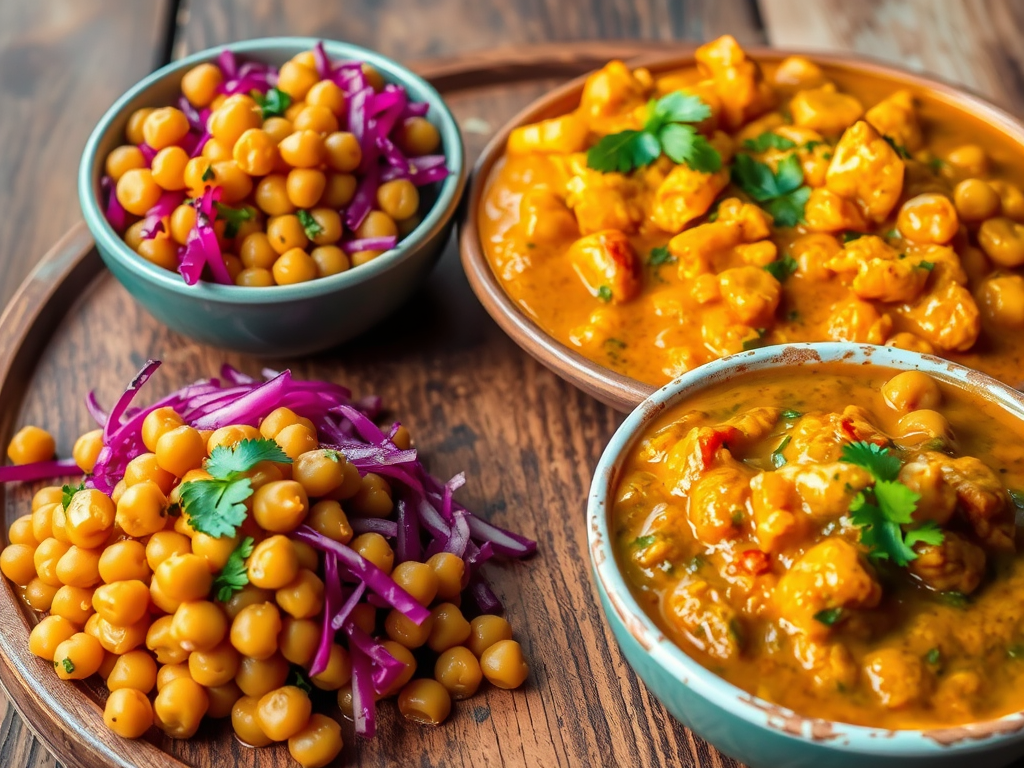
- Go desi when you can: Khichdi, dal-chawal, curd rice, rotis with sabzi, these humble staples are balanced, nourishing, and liver-friendly. Our grandparents weren’t wrong; simplicity really is medicine.
- Manage stress: Cortisol spikes from constant stress don’t just mess with your mood, they affect your liver’s fat metabolism too. Yoga, meditation, or even journaling can help your liver breathe easier.
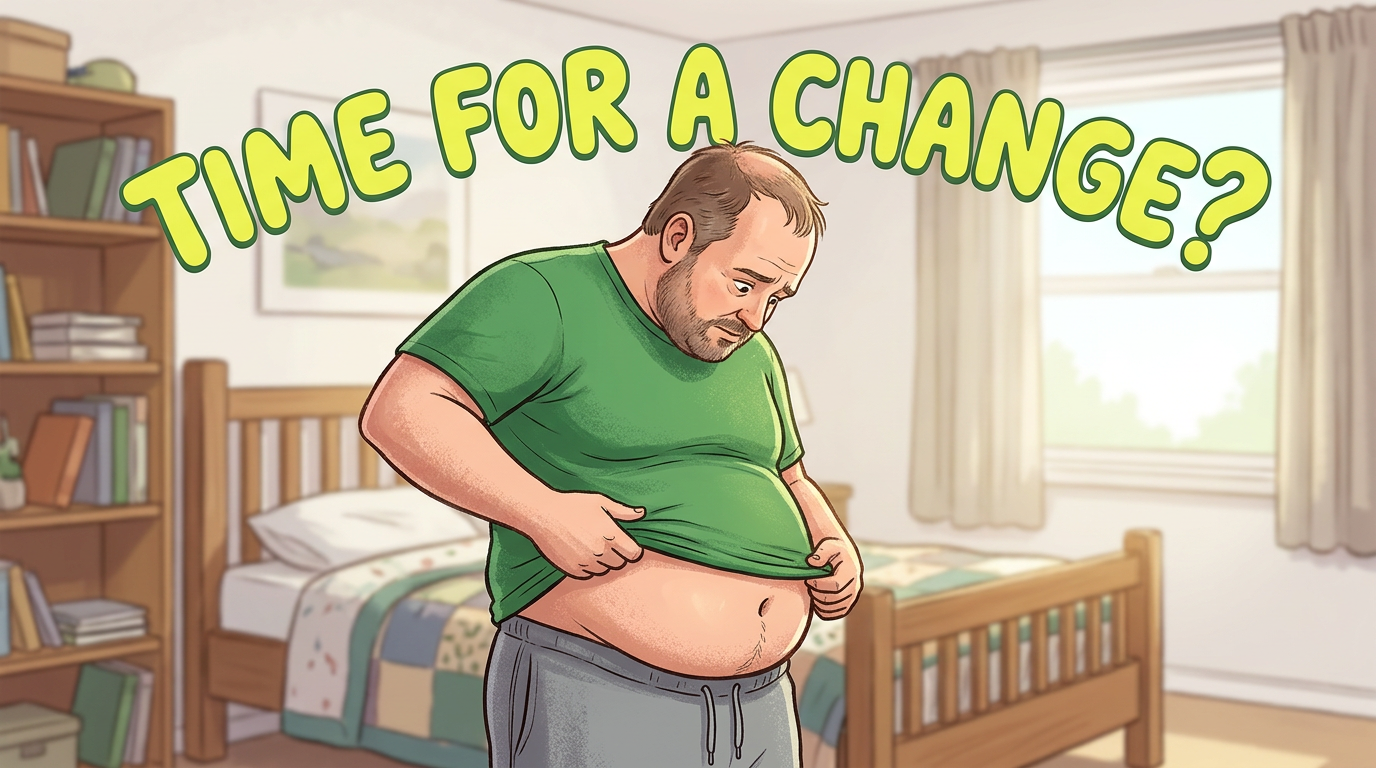
- Keep tabs on weight and waistline: Belly fat is a red flag for fatty liver. You don’t need crash diets, just consistent, mindful eating and regular activity.
Bottom line: you don’t need to quit life’s little joys. Just give your liver a fair share of love daily, and it’ll reward you by working tirelessly without complaint.

The bottom line
NAFLD isn’t some far-off, futuristic health scare. It’s already here, quietly settling into the livers of young Indians who think they’re “too young” to worry about such things. The scary part? It doesn’t always announce itself until the damage is serious. The hopeful part? It’s not invincible.
Your everyday choices, what you eat, how much you move, how well you sleep, and even how you manage stress, can either fuel the fire or snuff it out. The liver is one of the few organs that can heal itself if given the right conditions. That’s pretty remarkable, considering how much we put it through.
So, the next time you brush off your fatigue as “just work pressure” or your bloated stomach as “just overeating,” pause and think again. Your liver doesn’t check your age before storing fat. It only responds to the lifestyle you give it. Show it some love today, and it’ll keep working overtime for you tomorrow, and for decades to come.
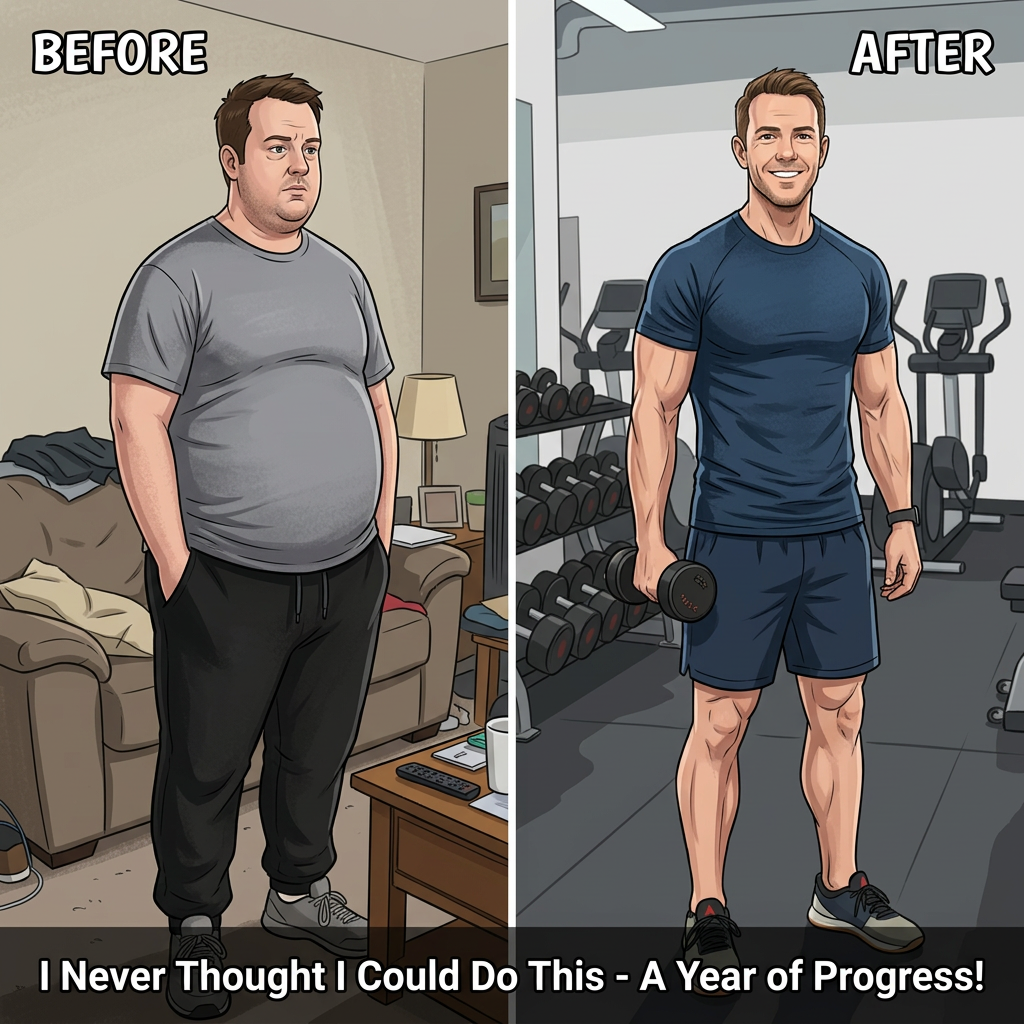
Your liver is the unsung hero of your body. Don’t wait for a medical report to jolt you. Start today, swap one processed snack for fruit, choose the stairs, brew that sugar-free coffee. Small steps for you, giant leaps for your liver.

References
- Younossi, Zobair M., Koenig, Anna B., Abdelatif, Dayna, Fazel, Younes, Henry, Linda, Wymer, Mark. Global epidemiology of nonalcoholic fatty liver disease, Meta-analytic assessment of prevalence, incidence, and outcomes. Hepatology. 2016 Jul;64(1):73-84. https://doi.org/10.1002/hep.28431
- Duseja, Ajay, Chalasani, Naga. Epidemiology and risk factors of nonalcoholic fatty liver disease (NAFLD). Hepatology International. 2013 Mar;7(Suppl 2):755-764. https://doi.org/10.1007/s12072-013-9459-3
- Singal, Anjana K., Jampana, Sandeep C., Weinman, Steven A. Antioxidants as therapeutic agents for liver disease. Liver International. 2011 Oct;31(10):1432-1448. https://doi.org/10.1111/j.1478-3231.2011.02604.x
- Salomone, Federico, Godos, Justyna, Zelber-Sagi, Shira. Natural antioxidants for non-alcoholic fatty liver disease: molecular targets and clinical perspectives. Liver International. 2016 Jul;36(1):5-20. https://doi.org/10.1111/liv.13020
- Chalasani, Naga, Younossi, Zobair, Lavine, Joel E., Charlton, Michael, Cusi, Kenneth, Rinella, Mary, Harrison, Stephen A., Brunt, Elizabeth M., Sanyal, Arun J. The diagnosis and management of non‐alcoholic fatty liver disease: Practice Guidance from the American Association for the Study of Liver Diseases. Hepatology. 2018 Jan;67(1):328-357. https://doi.org/10.1002/hep.29367

Leave a Reply