Address
304 North Cardinal St.
Dorchester Center, MA 02124
Work Hours
Monday to Friday: 7AM - 7PM
Weekend: 10AM - 5PM

Address
304 North Cardinal St.
Dorchester Center, MA 02124
Work Hours
Monday to Friday: 7AM - 7PM
Weekend: 10AM - 5PM

The right nutrients that increase focus and productivity can end your afternoon crash for good. Here's what to eat, and how much, backed by research.
It’s 3pm, you have a deadline sitting on your screen, and your brain has quietly checked out somewhere between lunch and this exact moment. You are not lazy and you are not losing your edge. More often than not, the nutrients that increase focus and productivity simply were not on your plate today, and your brain is running on the wrong kind of fuel for the job you are asking it to do.
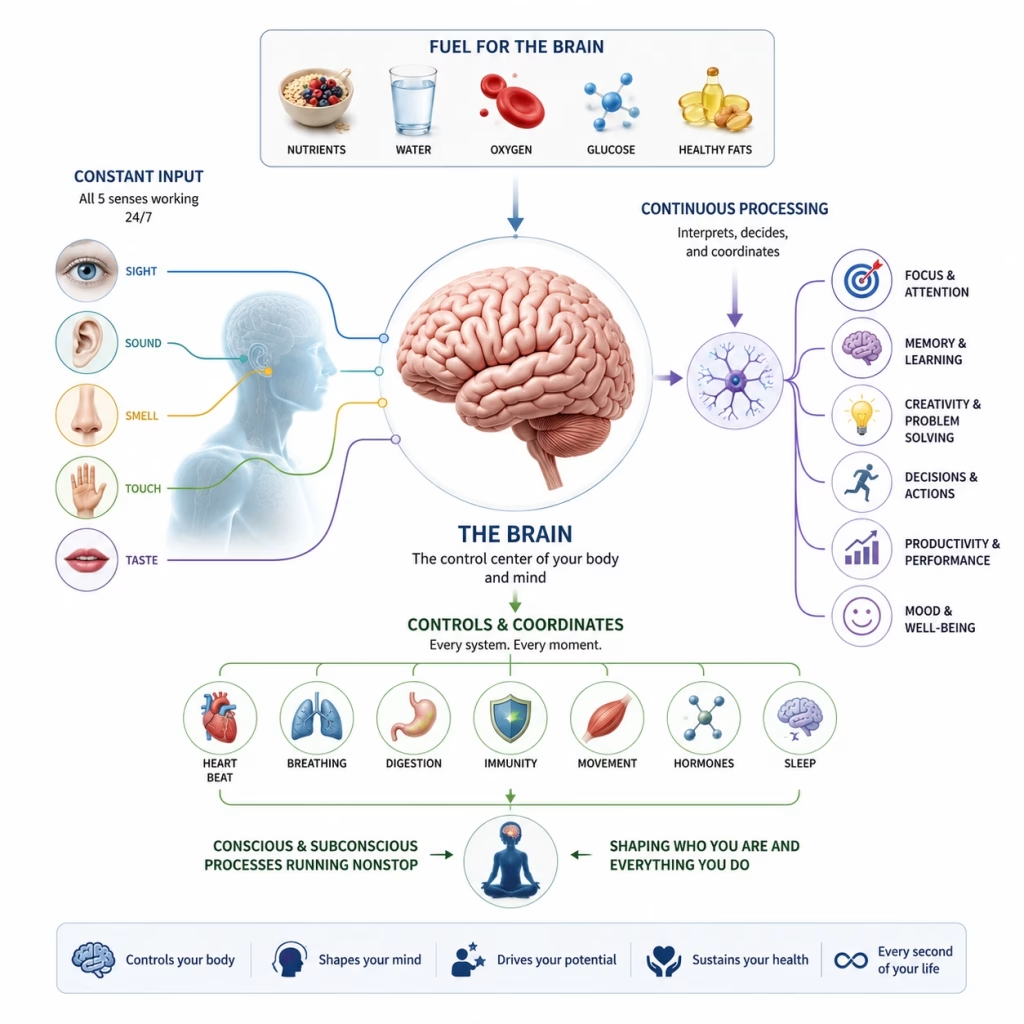
Your brain is a demanding organ. It makes up roughly two percent of your body weight but is estimated to use around a fifth of your resting energy expenditure, which means what you feed it has an outsized effect on how clearly you think, how long you can concentrate, and how quickly you recover from a mentally exhausting day (Harvard Health Publishing, Foods linked to better brainpower). This guide walks through exactly which nutrients matter most for focus, how much of each you actually need, and the everyday habits, from hydration to meal timing, that either support or sabotage all of it. By the end, you will have a genuinely practical eating pattern for sharper, steadier focus, not just a list of “brain foods” with no context.
Short on time? Skip to the practical summary near the bottom. It has everything you need to act on today without reading the full piece.
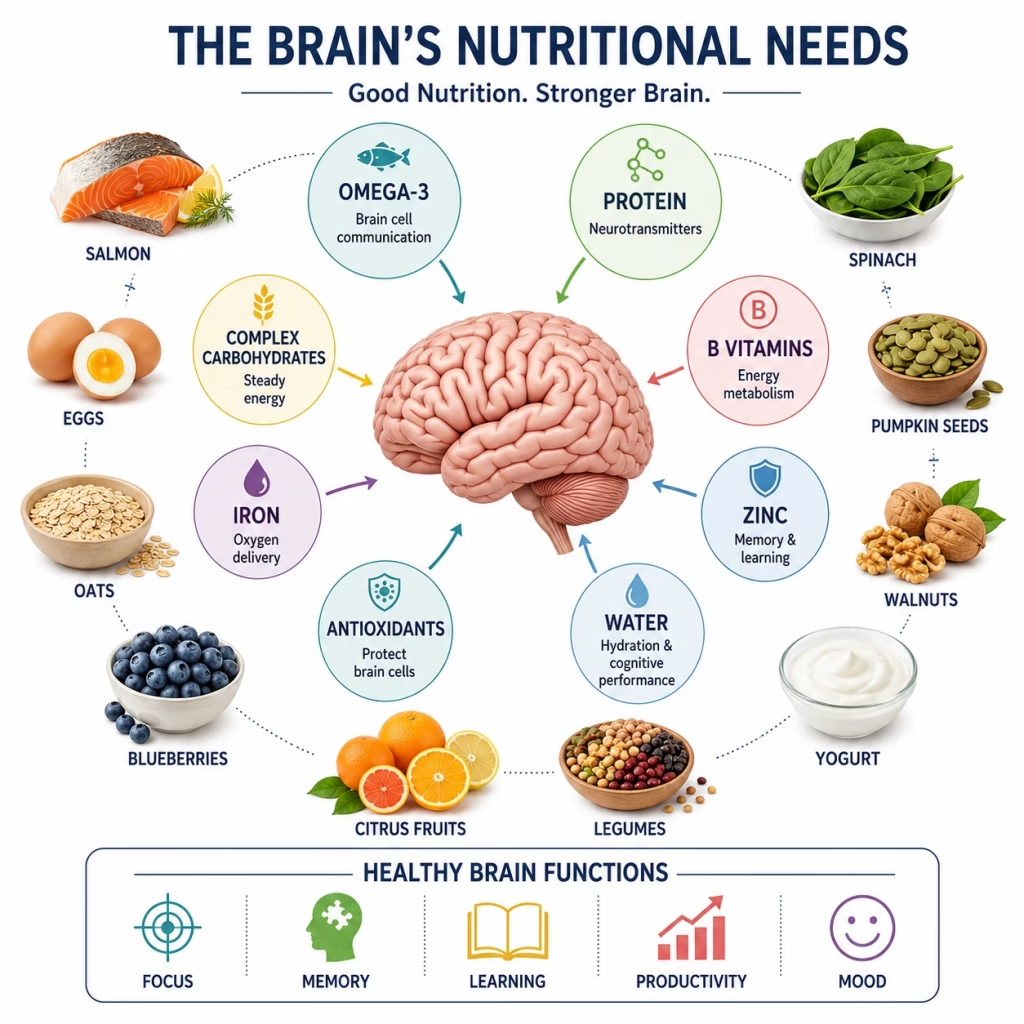
Your brain does not store much energy reserve of its own, which means it depends heavily on a steady, moment-to-moment supply of glucose and nutrients from your bloodstream. When that supply is inconsistent, either too little, too much, or too erratic, your focus becomes inconsistent right along with it. This is not a vague wellness claim. Harvard Medical School’s overview on brain nutrition emphasizes that overall dietary patterns, not single “miracle” foods, are what reliably support cognitive performance over time (Harvard Health Publishing, Foods linked to better brainpower). What this means for you is that no single smoothie or supplement is going to fix an otherwise erratic diet. The nutrients below matter most as a consistent pattern, not a one-time fix before a big meeting.

Carbohydrates are your brain’s preferred fuel source, but the type of carbohydrate you eat determines whether that fuel arrives as a steady stream or a spike-and-crash cycle. Complex carbohydrates, found in whole grains, oats, legumes and vegetables, digest slowly and release glucose into your bloodstream gradually, giving your brain a stable supply over hours rather than minutes. Simple sugars, found in sweets, sugary drinks and refined snacks, spike blood glucose quickly and are followed by an equally quick drop, which shows up as the familiar post-lunch or post-snack crash. If you have ever felt sharp for twenty minutes after a sugary snack and foggy an hour later, that is the mechanism behind it, and it is a big part of why what to avoid matters just as much as what to add.

Omega-3 fatty acids, particularly DHA, are structural components of brain cell membranes and play a direct role in how efficiently neurons communicate with each other. A systematic review of omega-3 research concluded that adequate omega-3 intake is associated with improved measures of memory and cognitive function, though the review is careful to frame this as an association rather than a guaranteed individual effect, since study designs and dosages vary considerably (PMC, Omega-3 and Brain Function Systematic Review). Fatty fish, walnuts, chia and flaxseed are the most concentrated sources, and if you want to go deeper on why nuts and seeds show up in nearly every brain-health conversation, the wider health benefits of nuts and seeds cover the fuller picture beyond just cognition.
Protein plays a quieter but equally important role in focus. Amino acids from protein are the building blocks for neurotransmitters like dopamine and norepinephrine, both of which are directly involved in alertness and motivation. A protein-inclusive breakfast or lunch, rather than a carbohydrate-only meal, tends to produce a steadier post-meal energy curve, since protein slows digestion and blunts the glucose spike that carbs alone would otherwise cause. B vitamins, particularly B6, B9 (folate) and B12, are essential cofactors in the production of these same neurotransmitters, which is why chronic B-vitamin insufficiency is associated with fatigue, irritability and difficulty concentrating. What this means for you practically is that a lunch built entirely around white rice or bread, with no dal, egg, paneer or meat alongside it, is setting you up for exactly the kind of afternoon crash this article opened with.
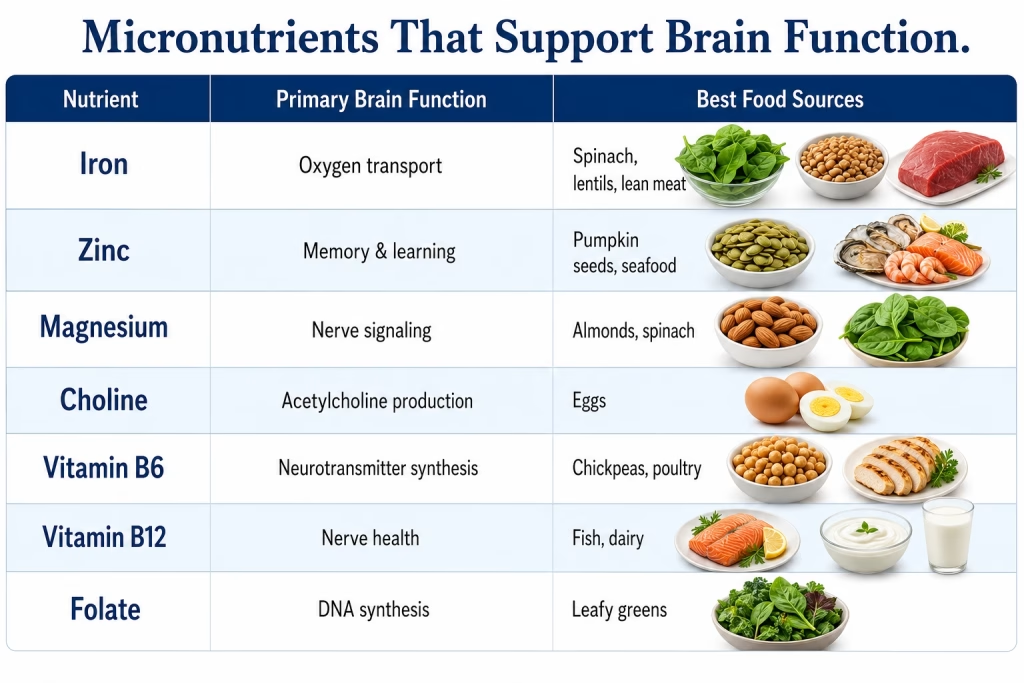
A handful of specific vitamins and minerals have an outsized effect on cognitive performance relative to how little of them your body actually needs. Here is how they break down.
| Nutrient | Role in Focus | Daily Target (Adult) | Top Food Sources |
|---|---|---|---|
| Vitamin D | Mood stability, nerve signaling | 600–800 IU | Sunlight, fortified milk, egg yolk, fatty fish |
| Magnesium | Nervous system regulation, sleep quality | ~310–420 mg | Almonds, spinach, pumpkin seeds, whole grains |
| Iron | Oxygen transport to the brain | 8 mg (men), 18 mg (women, pre-menopause) | Dal, spinach, jaggery, red meat, fortified cereals |
| Zinc | Memory and decision-making support | ~8–11 mg | Pumpkin seeds, chickpeas, cashews, dairy |
| Antioxidants (Vit. C, E) | Reduce oxidative stress on brain cells | 75–90 mg (Vit. C) | Citrus, amla, berries, nuts, leafy greens |
(Targets adapted from NIH Office of Dietary Supplements fact sheets for magnesium, zinc and iron.)
Your brain uses a disproportionate share of your body’s oxygen, which also makes it disproportionately exposed to oxidative stress, the cellular wear-and-tear caused by unstable molecules called free radicals. Antioxidant-rich foods, including berries, citrus fruits and leafy greens, help neutralize this damage over time, which is one reason diets rich in fruits and vegetables are consistently linked to better long-term cognitive outcomes.
Vitamin D receptors are present throughout brain tissue involved in mood regulation, and low vitamin D status has been associated with poorer mood and reduced cognitive performance, particularly in people who get limited sun exposure. Given how common low vitamin D levels are among people who work indoors all day, this is worth paying specific attention to rather than assuming diet alone will cover it.
Magnesium plays a direct role in regulating the nervous system’s stress response and supports the deep sleep stages your brain needs to consolidate memory and clear out metabolic waste overnight, according to the NIH Office of Dietary Supplements’ magnesium fact sheet. Poor sleep is one of the fastest ways to wreck next-day focus, and magnesium insufficiency is a frequently overlooked contributor to that cycle.
Iron is essential for transporting oxygen through your bloodstream, including to your brain, and low iron status is directly linked to fatigue, poor concentration and memory difficulties, according to the NIH Office of Dietary Supplements’ iron fact sheet. This is a particularly relevant nutrient for menstruating women and for vegetarians, both groups at higher risk of suboptimal iron intake.
Expert tip: pair iron-rich plant foods like dal and spinach with a source of vitamin C, such as lemon juice or tomatoes, in the same meal. Vitamin C significantly improves the absorption of non-heme (plant-based) iron, a synergy well documented in NIH’s iron guidance.
Zinc is involved in neurotransmitter regulation and has a documented role in memory formation and decision-making processes, according to NIH’s zinc fact sheet. Pumpkin seeds, chickpeas and cashews are practical, everyday sources that fit easily into an Indian diet without requiring a supplement for most healthy adults.
Even mild dehydration, well before you would describe yourself as “thirsty,” measurably impairs concentration and decision-making. A peer-reviewed study found that rehydrating after a period of mild dehydration significantly improved judgment and decision-making performance compared to remaining mildly dehydrated (PMC, Water Supplementation and Cognitive Performance). What this means for you is that the mid-afternoon fog you attribute to tiredness or a heavy lunch might simply be a matter of not having had enough water since your morning chai. Keeping a bottle at your desk and sipping through the day, rather than drinking a large amount only when you finally notice thirst, is a small habit with a genuinely outsized effect on sustained focus.
Ultra-processed snacks, sugary drinks and refined carbohydrate-heavy meals cause the sharp glucose spike and crash cycle described earlier, and doing this repeatedly across a workday keeps your focus riding a rollercoaster instead of a steady line. These foods are also typically low in the fiber, protein and micronutrients that support steadier energy, which compounds the problem rather than just adding empty calories. This does not mean sugar or packaged snacks need to be eliminated entirely. It means treating them as occasional rather than the default fuel for a demanding workday.
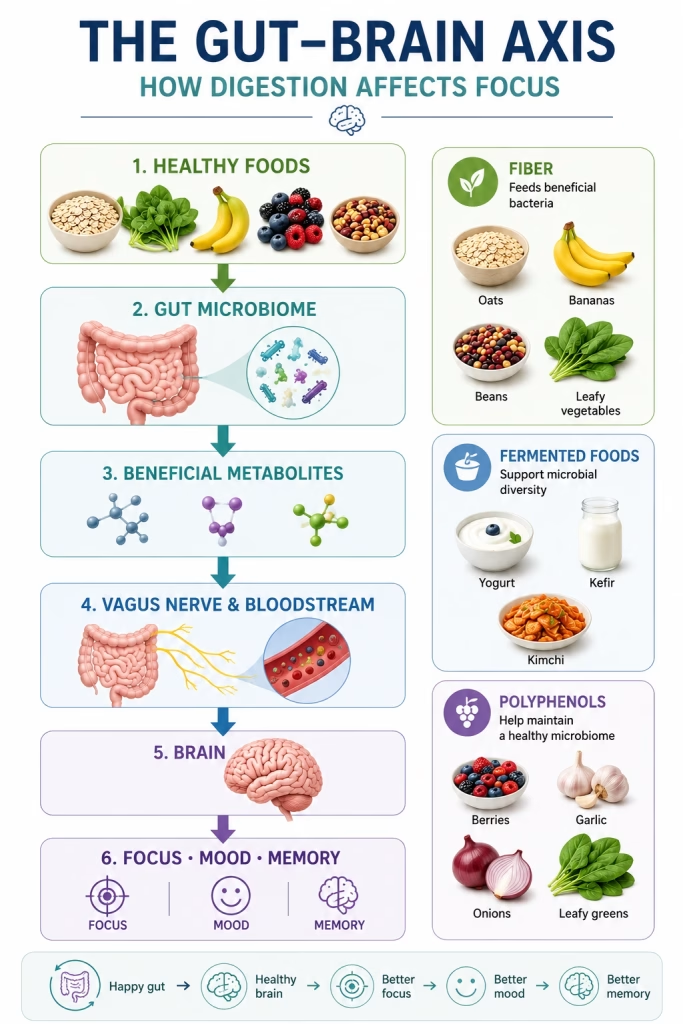
Your gut and brain are in constant two-way communication, largely through the vagus nerve and gut-produced neurotransmitters, including a significant share of your body’s serotonin. Cleveland Clinic’s overview of the gut-brain connection notes that gut health disturbances are increasingly linked to mood and cognitive symptoms, including brain fog, though this relationship is complex and still an active area of research (Cleveland Clinic, The Gut-Brain Connection). What this means for you is that chronic digestive discomfort, bloating or irregularity is not purely a “stomach issue.” It may be quietly contributing to the mental fog you are trying to solve with more coffee.
Skipping meals, especially breakfast, before a demanding focus session tends to backfire, since it leaves your brain running on a delayed and less stable glucose supply right when you need consistency most. Eating at roughly consistent times across the day, rather than grazing erratically or skipping meals until you are ravenous, helps keep blood sugar and, by extension, focus more stable. This does not require rigid meal-timing rules. It requires simply not treating breakfast as optional on your busiest days, which is exactly when people are most tempted to skip it.
Caffeine improves alertness by blocking adenosine, a molecule that builds up in your brain and makes you feel sleepy. Green tea contains caffeine too, but in smaller amounts, alongside L-theanine, an amino acid that appears to promote a calmer, more sustained form of alertness compared to the sharper spike-and-crash pattern often associated with coffee alone.
| Factor | Coffee | Green Tea |
|---|---|---|
| Caffeine content | High (~95mg per cup) | Lower (~25–30mg per cup) |
| L-theanine | None | Present, promotes calmer alertness |
| Crash risk | Higher with repeated cups | Lower, more gradual |
| Best use case | Quick, short-term alertness boost | Sustained focus without the jitters |
Neither is inherently “better.” Coffee can be the right call for a short, urgent burst of alertness, while green tea tends to suit longer stretches of sustained, calmer focus. The moderation note matters here too: too much caffeine from either source can worsen anxiety and disrupt the sleep your brain needs to recover.
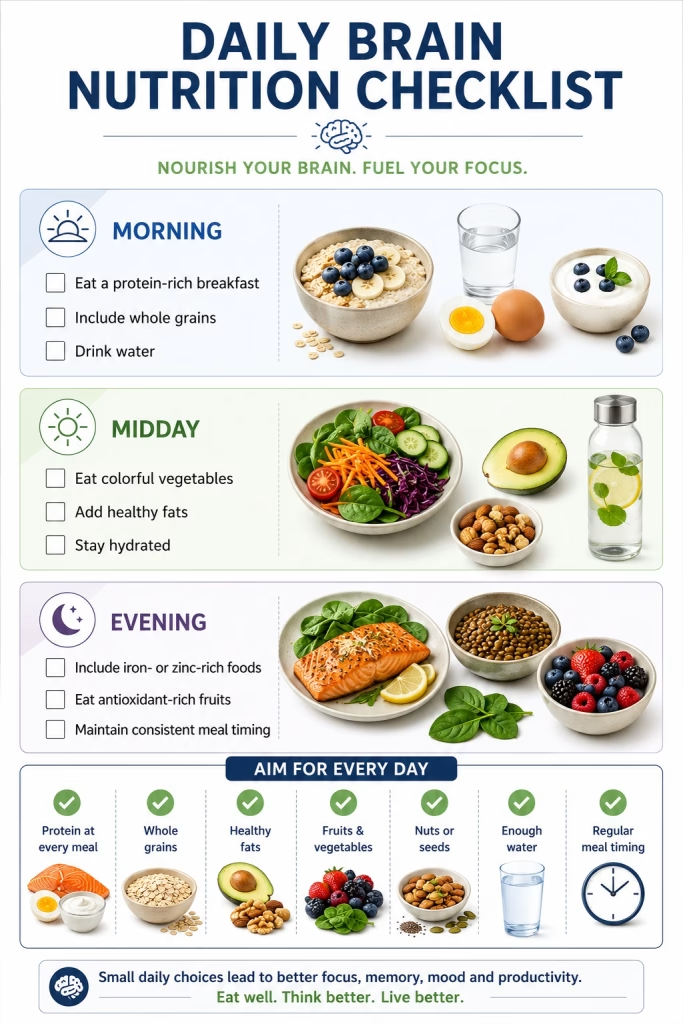
Start the day with a protein-and-fiber inclusive breakfast rather than carbs alone, something like oatmeal with chia seeds and berries. Keep water within reach and sip consistently rather than waiting until you are thirsty. Swap at least one sugary snack a day for a small handful of nuts or seeds paired with fruit. Avoid skipping meals on your busiest, highest-focus days specifically, since that is exactly when stable energy matters most. If you rely on caffeine, consider spacing coffee and green tea across the day rather than stacking multiple coffees back to back.
Sample afternoon-slump fix: instead of a vending-machine snack, reach for a small handful of almonds and a cup of green tea. The combination of steady fat and protein plus a gentler caffeine-and-L-theanine lift tends to outperform a sugary snack and a second coffee for sustained afternoon focus.
Diet adjustments genuinely help most people’s day-to-day focus, but persistent fatigue, brain fog or difficulty concentrating that does not improve with better eating, sleep and hydration habits deserves a conversation with a doctor rather than another dietary tweak. Iron-deficiency anemia, thyroid conditions, sleep disorders and clinical depression can all present as “just can’t focus lately,” and diet alone will not resolve an underlying medical condition. If this sounds like your situation, particularly alongside heavy fatigue or unusual symptoms, please treat this article as a starting point for better everyday habits, not a diagnosis or a substitute for medical evaluation.
Chemical messengers, including dopamine, serotonin and norepinephrine, that transmit signals between brain cells. Diet influences neurotransmitter production through the amino acids, vitamins and minerals it supplies.
The two-way communication network between your digestive system and your brain, involving the vagus nerve and gut-produced neurotransmitters like serotonin. Digestive health can influence mood and cognitive clarity through this pathway.
Cellular damage caused by an excess of unstable molecules called free radicals relative to the antioxidants available to neutralize them. The brain’s high oxygen use makes it particularly exposed to this kind of damage over time.
Skipping breakfast before a high-focus workday is one of the most common and most avoidable mistakes, since it removes the steady glucose supply your brain needs from the very start of the day. Relying on caffeine alone through the afternoon, rather than addressing hydration, meals and sleep, is another frequent pattern that treats a symptom without touching the underlying cause. Many people also treat “diet” and “productivity habits” as entirely separate categories, when in practice what you eat is one of the most direct levers you have over how your brain performs for the rest of the day.
What’s the single best food to eat before a big focus session?
There is no single perfect food, but a combination of complex carbs, protein and healthy fat, such as oatmeal with nuts and berries, provides the steadiest glucose curve and sustained energy compared to a sugary snack or a carb-only meal.
Can dehydration really affect concentration that much?
Yes. Research shows that even mild dehydration, well before you feel noticeably thirsty, measurably impairs judgment and decision-making, and rehydrating reverses much of that effect fairly quickly.
How much magnesium, zinc and iron do I actually need daily?
Adult magnesium needs run roughly 310 to 420 mg depending on age and sex, zinc needs are around 8 to 11 mg, and iron needs range from about 8 mg for adult men to 18 mg for pre-menopausal women, according to NIH Office of Dietary Supplements guidance.
Is green tea better than coffee for sustained focus?
It depends on what you need. Coffee delivers a stronger, faster alertness boost, while green tea’s lower caffeine content plus L-theanine tends to produce calmer, more sustained focus with less of a crash.
Can poor gut health actually cause brain fog?
There is a genuine, well-documented connection between gut health and cognitive symptoms through the gut-brain axis, though the science is still developing and gut health is rarely the sole cause of brain fog on its own.
What’s a realistic “brain breakfast” for a busy Indian workday?
Oats or poha with a source of protein like curd, nuts or an egg, plus a piece of fruit, covers complex carbs, protein and micronutrients in a way that is quick to prepare and easy to sustain on a busy morning.
Build meals around complex carbs, protein and healthy fat rather than sugar or refined carbs alone, since this produces a steadier glucose curve and less of an afternoon crash. Prioritize magnesium, iron, zinc and vitamin D specifically, since deficiencies in these are common and directly tied to fatigue and poor concentration. Stay ahead of hydration rather than reacting to thirst, and do not skip meals on your busiest, highest-focus days. Use caffeine and green tea strategically rather than stacking multiple coffees, and treat persistent, diet-resistant brain fog as a reason to see a doctor rather than try another supplement.
Focus is not just willpower and it was never meant to run on caffeine alone. It runs on steady fuel, consistent hydration and a handful of specific nutrients that most people simply never learned to prioritize. That is exactly the kind of practical, no-fluff guidance Wellthify is built to give you, so the next 3pm slump does not have to feel inevitable. If you want to see how these focus-specific nutrients fit into your overall eating pattern, the full framework for a balanced diet is a good place to go deeper.
This article is for general educational purposes and is not a substitute for personalized medical advice. Please consult a doctor if fatigue, brain fog or concentration difficulties persist despite diet, hydration and sleep improvements.
Subscribe to get the latest posts sent to your email.
[…] Struggling to focus? Feeling mentally exhausted by noon? Studies show that iron deficiency anemia can reduce cognitive function by up to 25%, making it harder to concentrate, stay productive, and get things done. No wonder chronic anemia can feel like a constant brain fog! […]
[…] right, your lack of stamina might be rooted in nutrient deficiencies. Read here to know more about how nutrition affects your productivity. You could be eating a full plate and still be undernourished.What if your “balanced” meals are […]