


Meet Priya, a 26-year-old software engineer from Bangalore. Despite maintaining what she thought was a healthy lifestyle, her periods became increasingly irregular. Her weight crept up despite her best efforts, and dark patches appeared on her neck that her mother attributed to “not scrubbing properly.” The final straw came when her cousin’s wedding photographer had to spend extra time editing her photos due to stubborn acne breakouts.

Priya’s story isn’t unique – she’s one of the estimated 1 in 5 Indian women battling Polycystic Ovary Syndrome (PCOS), a condition that’s become increasingly common in urban India. From corporate boardrooms in Mumbai to college campuses in Chennai, millions of women are silently struggling with this hormonal disorder that affects everything from their appearance to their fertility dreams.
But here’s the empowering truth that Priya discovered: PCOS isn’t a life sentence. It’s a manageable condition that responds remarkably well to the right combination of lifestyle changes, medical support, and cultural adaptation. Your journey from PCOS chaos to control starts with understanding what you’re truly dealing with – and more importantly, what you can do about it.
The PCOS Invasion: When Hormones Go Rogue
Think of your hormonal system as a perfectly tuned tabla ensemble. In PCOS, it’s as if the players have lost their rhythm, creating discord instead of harmony.
The Numbers Don’t Lie:
- Polycystic Ovary Syndrome affects 15-20% of Indian women of reproductive age
- It’s more common than diabetes in our demographic
- South Asian women develop insulin resistance at lower BMI levels than Western counterparts

What’s Really Happening: PCOS occurs when your ovaries produce excess androgens (male hormones), disrupting the delicate balance needed for regular ovulation. Contrary to what many aunties say, those small cysts on your ovaries aren’t the problem – they’re simply eggs that couldn’t mature properly due to hormonal confusion.
The Real Culprits:
- Insulin resistance
- Inflammation
- Genetic predisposition combined with sedentary lifestyles
- Processed food consumption
The Complication Cascade: Understanding the Domino Effect
PCOS isn’t just about irregular periods – it’s a multi-system disorder that can impact your entire well-being.

Reproductive Chaos
- Menstrual cycles become unpredictable
- Periods may be missed for months or become heavy and painful
- Fertility challenges create stress in families with marriage/motherhood expectations
- Good news: PCOS-related infertility is highly treatable
Metabolic Mayhem
- Insulin resistance affects 60-80% of women with PCOS
- Body struggles to process sugar effectively
- Weight gain, especially around midsection
- Significantly increased risk of Type 2 diabetes
Cosmetic Concerns
- Hirsutism (unwanted facial and body hair)
- Adult acne that persists
- Male-pattern hair loss
- Dark patches on neck and skin folds
- Impact: Severe effects on self-esteem in appearance-focused culture
Mental Health Impact
- Combination of physical symptoms and cultural pressures
- Hormonal fluctuations affecting mood
- Statistics: Women with PCOS are 3x more likely to experience clinical depression
The Indian PCOS Reality: Cultural Challenges & Health Impact
Managing PCOS in India comes with unique cultural considerations that Western treatment approaches often overlook.
Cultural Barriers:
- Family members dismiss symptoms as “normal women’s problems”
- Weight gain attributed to “lack of willpower”
- Pressure to conform to beauty standards while managing appearance-affecting condition
- Social eating expectations (refusing food seen as disrespectful)
Economic Challenges:
- Quality healthcare and nutritional counseling can be expensive
- Appropriate medications strain middle-class budgets
- Indian healthcare system lacks specialized PCOS clinics
- Fragmented care across multiple specialists
Dietary Complications:
- Traditional patterns include high-glycemic foods (white rice, refined wheat)
- These foods exacerbate insulin resistance
- Social aspect of eating makes dietary management challenging
The Recovery Revolution: Taking Back Control
The revolutionary truth about PCOS: small, consistent changes can create dramatic improvements. Your body wants to heal – it just needs the right support system.
Key Principles:
- Recovery isn’t about perfection – it’s about progress
- Find what works within your cultural and economic context
- Use the 80/20 rule – get basics right 80% of time, don’t stress about 20%

Getting Started:
- Track Your Symptoms
- Use simple journal or smartphone app
- Note energy levels, mood, sleep quality, menstrual patterns
- Data becomes invaluable when working with healthcare providers
- Identify Your Patterns
- Discover which strategies work best for your body
- Acknowledge reality of Indian social eating and festival seasons
- Maintain momentum despite family obligations
The Dietary Defense: Foods That Heal
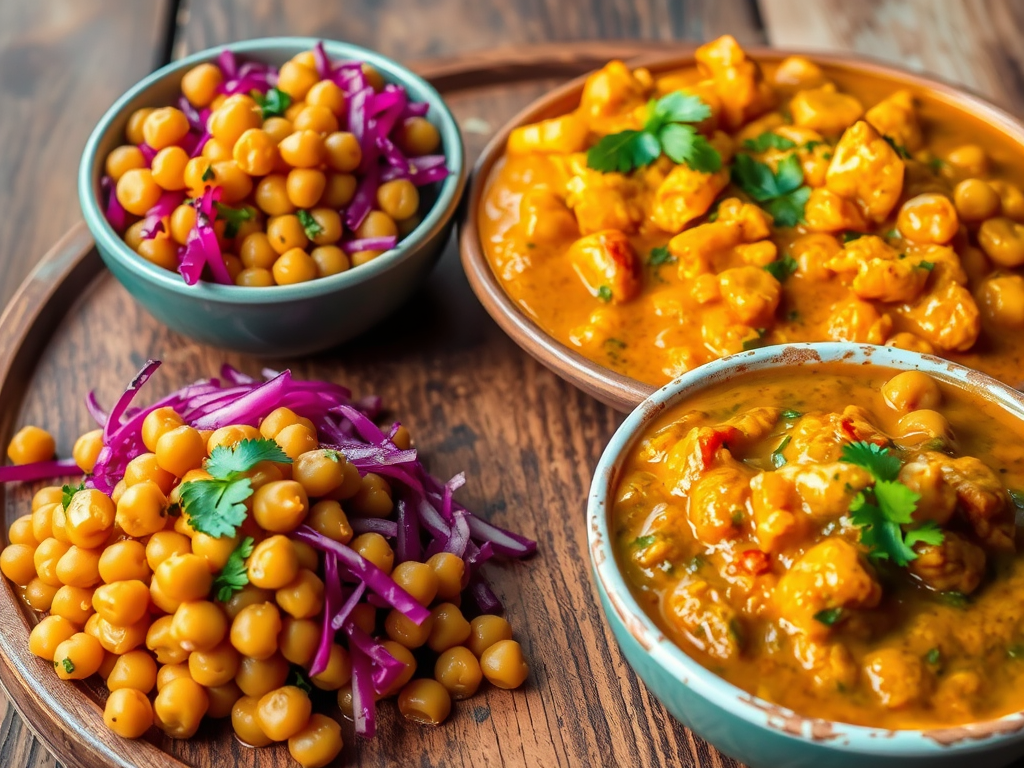
Contrary to popular belief, you don’t need expensive superfoods or completely foreign cuisines to manage PCOS. Traditional Indian foods, when chosen wisely, can be incredibly healing.
Power Combinations for Stable Blood Sugar:
- Replace gradually: White rice → Brown rice or broken wheat (dalia)
- Smart combinations: Dal + brown rice + spoonful of ghee
- Veggie loading: Upma with vegetables + coconut topping
PCOS-Fighting Indian Superfoods:
- Fenugreek seeds (methi dana): Improve insulin sensitivity
- Usage: Soak overnight, consume first thing in morning
- Cinnamon (dalchini): Naturally regulates blood sugar
- Usage: Add to tea instead of extra sugar
- Turmeric: Anti-inflammatory properties
- Usage: Fresh turmeric in daily cooking
Meal Timing Strategy:
- Largest meal at lunch when metabolism is strongest
- Light, early dinner – vegetable soups, salads, moong dal chilla
- Works with circadian rhythm and improves insulin sensitivity
Sample Daily Menu:
- Morning: Soaked fenugreek seeds + warm water → Vegetable upma with coconut chutney
- Lunch: Brown rice + mixed dal + sabzi + raita
- Dinner: Moong dal chilla with mint chutney OR quinoa khichdi with vegetables
Movement Medicine: Exercise for PCOS Warriors
Exercise is perhaps the most powerful tool in your PCOS management arsenal, but it doesn’t require expensive gym memberships or hours of commitment. The key is finding sustainable movement that fits your lifestyle.
Strength Training at Home:
- Equipment needed: Your body weight or filled water bottles
- Basic exercises: Squats, push-ups (modified if needed), planks
- Frequency: 3-4 times per week
- Time commitment: 15-20 minutes
- Benefit: More effective than hours of cardio for insulin sensitivity
High-Intensity Interval Training (HIIT):

- Perfect for: Busy schedules
- Method: Short bursts of intense activity + rest periods
- Example routine:
- 30 seconds jumping jacks
- 30 seconds rest
- Repeat 10 times
- Location: Your living room
- Why it works: Particularly effective for women with PCOS
Traditional Movement Options:
- Classical Indian dance forms
- Yoga practices
- Energetic household cleaning
- Benefits: Culturally familiar, socially acceptable for conservative families
The Medical Alliance: Professional Help & Treatment
While lifestyle changes form the foundation of PCOS management, medical intervention is often necessary for optimal results. Don’t let cultural stigma or fear prevent you from seeking professional help when needed.
Red Flags Requiring Immediate Attention:
- Absent periods for more than three months
- Sudden severe acne breakouts
- Rapid, unexplained weight gain
- Extreme mood changes
- Trying to conceive without success for 6+ months

Common Treatment Options:
- Birth control pills: Help regulate cycles and reduce androgens
- Note: Not suitable for women trying to conceive.
- Metformin: Primarily diabetes medication that helps with insulin resistance and weight management.
- Fertility treatments: Ovulation induction has high success rates for PCOS-related infertility.
Note: Please consult your doctor before taking any medications.
Essential Questions you can ask to your Doctor:
- What are my insulin levels (not just blood sugar)?
- What are the latest treatment options available?
- Can lifestyle changes reduce my need for medications over time?
- How might PCOS affect my long-term health?
- What preventive measures should I consider?
The Holistic Approach: Mind, Body & Traditional Wisdom
PCOS affects your entire being, so recovery requires a holistic approach that honors both modern medicine and traditional wisdom. Chronic stress worsens insulin resistance, so stress management isn’t optional – it’s essential.
Stress Mastery Techniques:
- 4-7-8 Breathing: Inhale for 4, hold for 7, exhale for 8
- When to use: During commute or lunch breaks
- Effect: Quickly calms nervous system
- Daily Meditation: Just 10 minutes can significantly improve hormonal balance
Sleep as Medicine:
- The problem: Poor sleep worsens insulin resistance and increases sugar cravings
- The goal: 7-8 hours nightly
- The strategy: Create consistent bedtime routine that signals body to wind down
Ayurvedic Integration:
Note: These complement, not replace, modern medicine
- Morning ritual: Warm water with lemon supports digestion
- Meal practice: Avoid cold drinks during meals (aligns with digestive health wisdom)
- Traditional wisdom: Focus on foods and practices that have stood the test of time
Your Victory Path: Long-Term Management and Hope
Managing PCOS is a marathon, not a sprint, but thousands of Indian women are living proof that dramatic improvement is possible. The key lies in consistent daily choices rather than dramatic overnight changes.
Setting Realistic Goals:
- Instead of: Eliminating rice entirely, Try: Replace with brown rice twice a week
- Instead of: Expensive gym membership, Try: 20 minutes home exercise, three times weekly
The Individual Journey:
- PCOS management is highly personal
- What works for your colleague might need modification for you
- Consider your unique:
- Body response
- Family situation
- Cultural context
- Be patient as you discover your optimal combination
The Compound Effect:
Small steps create significant health improvements over time. Focus on:
- Consistent dietary changes
- Regular exercise routines
- Appropriate medical support
Remember: PCOS affects your body, but it doesn’t have to control your life. With the right combination of medical support, lifestyle modifications, and cultural adaptation, you can transform from feeling powerless to becoming the CEO of your own health.
Your PCOS doesn’t define you – your response to it does. The journey to reclaiming your hormonal harmony starts with your very next choice.

Leave a Reply