


The doctor said your blood pressure was high, handed you a leaflet, and left the room. Now you’re sitting in the car park wondering whether this is the moment your life divides into before-medication and after — or whether there’s something you can actually do first. The good news is that knowing how to lower blood pressure without medication isn’t wishful thinking; it’s backed by robust clinical evidence, and for many people in the early stages of hypertension, lifestyle changes alone can produce reductions that rival prescription drugs.
How to Lower Blood Pressure Naturally

Blood pressure sits at the intersection of nearly every lifestyle choice you make — what you eat, how you move, how well you sleep, and how much chronic stress you carry. Understanding how high blood pressure damages your body makes it easier to stay motivated, because the stakes are real: unchecked hypertension quietly harms your heart, kidneys, brain, and arteries for years before symptoms appear. The strategies below aren’t about perfection. They’re about stacking small, proven changes that compound over time.
Short on time? Skip to the Practical Summary at the bottom — it has everything you need to act on right now.
Can Lifestyle Really Compete With Medication?
The honest answer is: sometimes yes, sometimes no — and knowing which category you’re in matters enormously.
When Lifestyle-First Is the Right Call
If your readings fall in the Stage 1 hypertension range (systolic 130–139 mmHg or diastolic 80–89 mmHg) and your 10-year cardiovascular risk score is below 10%, current guidelines from the American Heart Association support a trial of lifestyle modification before reaching for a prescription. Several of the strategies below have been shown in meta-analyses to produce reductions of 5–14 mmHg systolic — enough to bring many Stage 1 patients back into the normal range. That’s not a minor win; that’s a meaningful reduction in heart attack and stroke risk.
When You Absolutely Need Medication Too
Stage 2 hypertension (systolic ≥140 mmHg or diastolic ≥90 mmHg), existing cardiovascular disease, diabetes, chronic kidney disease, or signs of end-organ damage all push the calculus firmly toward medication — ideally alongside lifestyle changes, not instead of them. If you’re in this group, nothing in this article should replace a conversation with your doctor. Lifestyle strategies still matter enormously in this scenario; they just shouldn’t be the only tool in the kit.
The Biggest Mistakes People Make
Before diving into the strategies, it’s worth naming the most common ways people undermine their own progress. Recognising these patterns early saves a lot of frustration.
One Change at a Time vs. a Combined Approach
It’s tempting to test one change, wait to see if it “works,” then try another. But blood pressure responds best to a combined approach — diet, exercise, and sleep improvements together produce additive reductions that dwarf any single change. Think of it less like a science experiment and more like renovating a house: you do the electrical, plumbing, and insulation at the same time because they all support the same goal.
The “Weekend Effect” — Inconsistency
Three days of healthy eating followed by a sodium-heavy weekend will blunt your results significantly. Blood pressure responds to average behaviour over days and weeks, not one-off efforts. Consistency is more important than perfection on any given day — a 70% adherent diet seven days a week beats a 100% adherent diet five days a week, every time.
Supplements Without Addressing Diet and Exercise
Magnesium capsules and hibiscus tea can contribute modest reductions, but layering supplements on top of an unchanged diet is like adding a spoiler to a car that needs a new engine. The foundation has to come first. Supplements work best as finishing touches on an already solid lifestyle base.
The 12 Evidence-Based Strategies
1. Follow the DASH Diet — Reduction: −8–14 mmHg Systolic
The Dietary Approaches to Stop Hypertension (DASH) diet was specifically developed by the NHLBI to reduce blood pressure without medication, and the evidence behind it is exceptional. A meta-analysis cited by the NHLBI showed systolic reductions of 8–14 mmHg — enough to replace a first-line antihypertensive drug for many people. The diet emphasises fruits, vegetables, whole grains, lean protein, and low-fat dairy while limiting saturated fat and added sugar. If you’re new to it, Wellthify’s guide to the DASH diet for beginners walks you through a full week of meals with a practical budget approach. Start by replacing two processed meals per week with DASH-aligned ones and build from there.
2. Reduce Sodium — Reduction: −5–6 mmHg Systolic
Most adults consume 3,400–4,000 mg of sodium per day. Cutting to 2,300 mg (the standard recommendation) produces an average systolic reduction of 5–6 mmHg. The challenge is that roughly 70% of dietary sodium comes from packaged, restaurant, and processed foods — not the salt shaker. Read nutrition labels, compare brands, and choose “no-salt-added” canned goods. Even cutting 1,000 mg per day moves the needle meaningfully. This one change alone, applied consistently, is clinically significant.
3. Increase Potassium Intake — Reduction: −4.48 mmHg Systolic
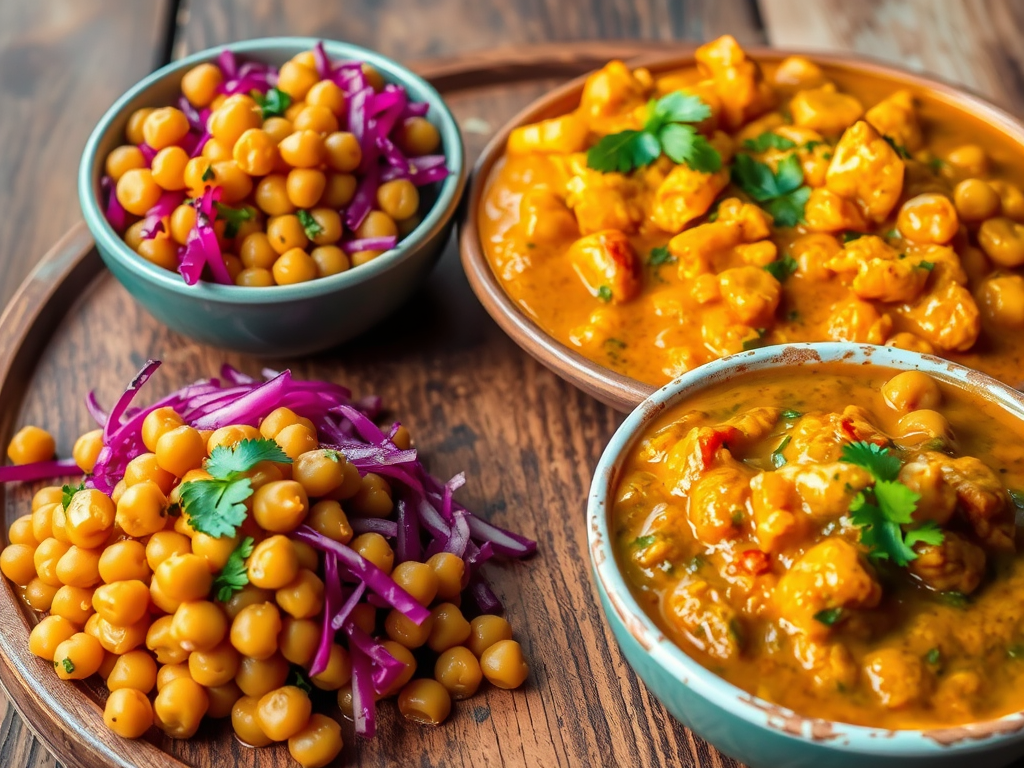
Potassium and sodium work as physiological opposites in the kidneys: more potassium helps your body excrete more sodium, relaxing blood vessel walls in the process. A 2017 meta-analysis by Poorolajal et al. found that higher potassium intake was associated with a 4.48 mmHg reduction in systolic blood pressure. Most adults get only about 2,600 mg per day against a recommended 4,700 mg. Loading up on potassium-rich foods — bananas, sweet potatoes, leafy greens, white beans, avocado — is both cheap and effective. If you have kidney disease, check with your doctor before dramatically increasing potassium, as impaired kidneys can’t always excrete the excess.
4. Do Aerobic Exercise — Reduction: −8–11 mmHg Systolic
A meta-analysis of 37 randomised controlled trials found that regular aerobic exercise reduced systolic blood pressure by 8–11 mmHg in hypertensive individuals. The effect is dose-dependent: 150 minutes per week of moderate-intensity exercise (brisk walking, cycling, swimming) delivers the bulk of the benefit. Exercise lowers blood pressure by improving arterial elasticity, reducing sympathetic nervous system activity, and helping kidneys excrete sodium more efficiently. You don’t need a gym membership — three 30-minute walks and two 20-minute bike rides per week get you there. Consistency over intensity is the rule here.
5. Try Isometric Resistance Training — Reduction: −7.4/−3.3 mmHg
Here’s the one most people haven’t heard of. Isometric resistance training — exercises like wall sits and handgrip squeezes where you hold tension without moving — was shown in a 2023 meta-analysis to produce mean reductions of 7.4 mmHg systolic and 3.3 mmHg diastolic. Researchers noted that this effect is roughly equivalent to one antihypertensive medication. The proposed mechanism involves sustained muscle compression improving vascular compliance over time. Four sets of wall sits (2 minutes each, three times per week) is genuinely one of the more efficient blood pressure interventions in the literature. Add it to your existing exercise routine or use it on rest days.
6. Lose Weight — Reduction: ~1 mmHg Systolic per Kilogram Lost
A meta-analysis of 25 RCTs found that each kilogram of body weight lost corresponded to approximately 1 mmHg reduction in systolic blood pressure. This isn’t a licence to crash diet — rapid weight loss without dietary quality often backfires. But a slow, steady reduction of 0.5–1 kg per month, achieved through the DASH diet and increased exercise, compounds nicely alongside the direct blood pressure effects of those interventions. Even a modest 5–7% reduction in body weight produces clinically meaningful improvements, particularly in those who are overweight.
7. Limit Alcohol — Reduction: −3.3 mmHg Systolic
Alcohol raises blood pressure through several mechanisms: it activates the sympathetic nervous system, impairs baroreflex sensitivity, and disrupts sleep architecture, which independently raises blood pressure. Reducing alcohol intake to no more than one drink per day for women and two for men produces a mean systolic reduction of around 3.3 mmHg. If you’re a regular drinker, cutting back is one of the faster-acting changes you can make — effects can appear within days. Alcohol-free weekdays and a one-drink-maximum on weekends is a realistic and sustainable framework for most people.
8. Quit Smoking
Smoking doesn’t cause chronic hypertension in the same direct way as diet or obesity, but every cigarette acutely raises blood pressure by 3–12 mmHg and causes sustained endothelial dysfunction. Over time, smoking accelerates arterial stiffening, which is a direct driver of rising blood pressure with age. Quitting smoking improves endothelial function within weeks, and the cardiovascular risk reduction compounds dramatically over one to five years. If you’re trying to lower your blood pressure, continuing to smoke is a bit like bailing out a boat while leaving the tap running. Quitting is non-negotiable for overall cardiovascular health.
9. Improve Sleep — Hypertension Risk Reduction: 20–32%
Short sleep — defined as less than six hours per night — is associated with a 20–32% increase in hypertension risk in multiple large observational studies. Sleep is when your blood pressure naturally dips; chronic sleep deprivation keeps your sympathetic nervous system and cortisol elevated around the clock. Prioritising seven to nine hours, treating sleep apnoea if present, and maintaining a consistent sleep-wake schedule (even on weekends) are all evidence-informed steps. Sleep is the cheapest performance-enhancing intervention available — and it lowers your blood pressure while you do nothing.
10. Manage Stress — Reduction: Up to −9.9 mmHg Systolic
Chronic stress keeps cortisol and adrenaline elevated, raising both heart rate and vascular resistance. A meta-analysis found mindfulness and meditation interventions produced a mean systolic reduction of 9.9 mmHg versus passive controls, though the evidence is rated low-to-moderate quality and effect sizes vary. Yoga and tai chi showed similar results at −9.6 mmHg. The mechanism likely involves both direct reductions in sympathetic tone and downstream improvements in sleep and dietary behaviour. Learning about white coat hypertension and the role of anxiety is a useful first step — even 10 minutes of daily diaphragmatic breathing has measurable short-term effects on arterial pressure.
11. Drink Hibiscus Tea — Reduction: −6–10 mmHg Systolic
This one surprises people. A well-designed randomised controlled trial by McKay et al. (Journal of Nutrition, 2010) found that drinking three cups of hibiscus tea per day for six weeks produced a systolic reduction of 6–10 mmHg in pre-hypertensive adults. The proposed mechanism involves the anthocyanins and polyphenols in hibiscus acting as ACE inhibitors — the same mechanism as a class of common antihypertensive drugs. It’s cheap, pleasant to drink, and pairs well with other strategies. For a broader look at what the evidence says, see Wellthify’s guide to supplements for blood pressure. Steep it for five minutes, serve hot or iced, and skip the added sugar.
12. Reduce Caffeine (If You’re Sensitive)
Caffeine acutely raises blood pressure by 3–6 mmHg in regular consumers and up to 10 mmHg in non-habitual drinkers. The chronic effect in habitual coffee drinkers is less clear — some studies show tolerance developing — but if you notice readings consistently higher on heavy coffee days, it’s worth a trial reduction. Switching to one or two cups in the morning and cutting off caffeine by noon is a reasonable experiment. Green tea, which contains lower caffeine alongside L-theanine, is associated with modest blood pressure benefits in some studies and is a practical substitute for afternoon coffee.
A 90-Day Stacking Plan
Change is hard when you try to overhaul everything at once. A phased approach lets each behaviour become automatic before you add the next one.
Month 1 — Diet and Sodium
Focus entirely on food. Start following DASH principles, audit your sodium intake, increase potassium-rich foods, and swap out one processed meal per day. Add hibiscus tea in the mornings. Don’t worry about exercise yet — just eat better, consistently.
Month 2 — Add Exercise
With your diet improving, layer in aerobic exercise: three to four sessions per week of 30–45 minutes. Add two isometric resistance sessions (wall sits, handgrip). Begin tracking your sleep duration and set a consistent bedtime. By the end of this month you’ll be combining three of the most powerful blood pressure interventions simultaneously.
Month 3 — Sleep and Stress
With diet and exercise in place, turn your attention to sleep quality and stress management. Address any sleep hygiene issues, explore meditation or diaphragmatic breathing, and stress-audit your week. If you drink alcohol regularly, use this month to implement a meaningful reduction. By the end of 90 days, the additive reductions from diet, exercise, weight loss, stress management, and sleep can compound to significant real-world improvements — though individual results vary.
When to Accept Medication — The Honest Answer
Lifestyle change is powerful, but it isn’t magic, and accepting medication is not a failure. If your readings remain above 140/90 after a genuine three-to-six-month effort, if you have Stage 2 hypertension, or if your overall cardiovascular risk is elevated, medication is the right choice. Many people achieve their best results with medication bringing readings to a safer baseline while lifestyle changes reduce dependence on that medication over time. The goal is a healthy blood pressure, not a moral victory for going drug-free.
Practical Summary
| Strategy | Avg. Systolic Reduction | Timeframe |
|---|---|---|
| DASH Diet | −8–14 mmHg | 2–4 weeks |
| Reduce Sodium | −5–6 mmHg | Days–weeks |
| Increase Potassium | −4.48 mmHg | Weeks |
| Aerobic Exercise | −8–11 mmHg | 4–12 weeks |
| Isometric Resistance Training | −7.4 mmHg | 4–8 weeks |
| Weight Loss | ~1 mmHg/kg | Varies |
| Limit Alcohol | −3.3 mmHg | Days–weeks |
| Quit Smoking | Variable | Weeks–months |
| Improve Sleep | Risk reduction 20–32% | Weeks |
| Manage Stress | −9.9 mmHg | 4–8 weeks |
| Hibiscus Tea | −6–10 mmHg | 6 weeks |
| Reduce Caffeine | Variable | Days |
Start here: Pick the two or three strategies that fit most naturally into your current life and do them consistently for four weeks before adding more. Diet and sodium reduction are the highest-yield starting points for most people.
That’s exactly what Wellthify is here for — stripping out the noise so you know what to do, in what order, without the overwhelm.
Key Terms
Systolic Blood Pressure
The top number in a blood pressure reading, representing the pressure in your arteries when your heart beats. Most interventions are measured by their effect on systolic blood pressure, as it’s the stronger predictor of cardiovascular risk in adults over 50.
Diastolic Blood Pressure
The bottom number, representing pressure between heartbeats when your heart is resting. Both numbers matter, but systolic is generally the primary target in hypertension treatment guidelines.
DASH Diet
Dietary Approaches to Stop Hypertension — a dietary pattern developed by the NHLBI that emphasises fruits, vegetables, whole grains, lean proteins, and low-fat dairy while limiting sodium, saturated fat, and added sugar.
Isometric Exercise
Exercise involving sustained muscle contraction without joint movement — such as wall sits, planks, or handgrip holds. Differs from dynamic resistance training and has a distinct and surprisingly large blood pressure benefit.
Endothelial Function
The health and responsiveness of the inner lining of blood vessels. Good endothelial function means vessels can dilate and contract efficiently; poor function — worsened by smoking, high glucose, and chronic inflammation — contributes directly to elevated blood pressure.
Frequently Asked Questions
How quickly can I expect to see results from lifestyle changes?
Sodium reduction can show effects within days. Dietary changes (DASH) typically produce measurable reductions within two to four weeks. Exercise benefits generally accumulate over four to twelve weeks of consistent training. Most people see their clearest results after a sustained combined effort of six to twelve weeks.
Can I lower my blood pressure naturally if I’m already on medication?
Yes — and you should. Lifestyle changes work alongside medication, not instead of it. Many people on antihypertensives who commit to genuine lifestyle changes find they’re able to reduce their dose over time, always in consultation with their doctor. Never reduce or stop medication without medical supervision.
Is it safe to stop medication if my blood pressure normalises through lifestyle changes?
This is a question for your GP or cardiologist, not a decision to make unilaterally. If your readings consistently improve, your doctor may support a supervised medication reduction. The safety of doing so depends on your individual history, risk factors, and the stability of your readings over time.
How much potassium do I need, and can I get it from food alone?
The recommended daily intake is 4,700 mg. Most people get around 2,600 mg. You can close much of the gap through food: one medium sweet potato has ~950 mg, one cup of white beans has ~1,000 mg, a banana has ~420 mg. Most people following a DASH-aligned diet hit 3,500–4,000 mg without supplements. Unless you have a clinical deficiency, food-first is the right approach.
Does stress actually raise blood pressure, or is that a myth?
Acute stress raises blood pressure significantly and rapidly. Chronic stress — through sustained sympathetic nervous system activation and elevated cortisol — keeps blood pressure elevated over time and also impairs sleep, dietary choices, and physical activity, creating a compounding effect. The evidence for structured stress-reduction interventions (mindfulness, yoga, tai chi) is real, if modest in overall quality.
What if I try everything for three months and nothing works?
That’s important information — it means your blood pressure has a component that lifestyle alone can’t address, which is true for a significant proportion of people. Medication isn’t a consolation prize; it’s a clinically appropriate tool. Many people do best with a combination of both. Talk to your doctor, share what you’ve tried, and explore a combined approach.
Is the hibiscus tea evidence strong enough to rely on?
The McKay et al. RCT is solid — 65 adults, randomised, double-blinded, placebo-controlled. The reduction of 6–10 mmHg is clinically meaningful. That said, hibiscus tea is a complement to — not a replacement for — diet and exercise. Think of it as a pleasant, low-risk addition to your overall strategy rather than a standalone solution.
You don’t need to do all twelve of these at once. Pick what fits, do it consistently, and build from there. Small, informed changes beat dramatic overhauls every time — and the evidence backs that up completely.
References
- National Heart, Lung, and Blood Institute. DASH Eating Plan: Health Benefits. NHLBI; 2023.
- Cornelissen VA, Smart NA. “Exercise Training for Blood Pressure: A Systematic Review and Meta-analysis of 37 Randomised Trials,” Journal of the American Heart Association, 2013.
- Leitão C, et al. “Isometric Exercise and Blood Pressure: A Meta-analysis,” Sports Medicine, 2023.
- McKay DL, et al. “Hibiscus Sabdariffa L. Tea and Blood Pressure in Pre-Hypertensive Adults,” Journal of Nutrition, 2010.
- Poorolajal J, et al. “Oral Potassium Supplementation for Management of Essential Hypertension: A Meta-analysis,” PLOS ONE, 2017.
- Neter JE, et al. “Influence of Weight Reduction on Blood Pressure: A Meta-analysis,” Hypertension, 2003.
- Whelton PK, et al. “2017 ACC/AHA Hypertension Guideline,” Journal of the American College of Cardiology, 2018.
- Xiong XJ, et al. “Mindfulness Meditation for Hypertension: A Meta-analysis,” Journal of Human Hypertension, 2015.

Leave a Reply