

Sheryas Followed Every Rule—So Why Was He Still Sick?

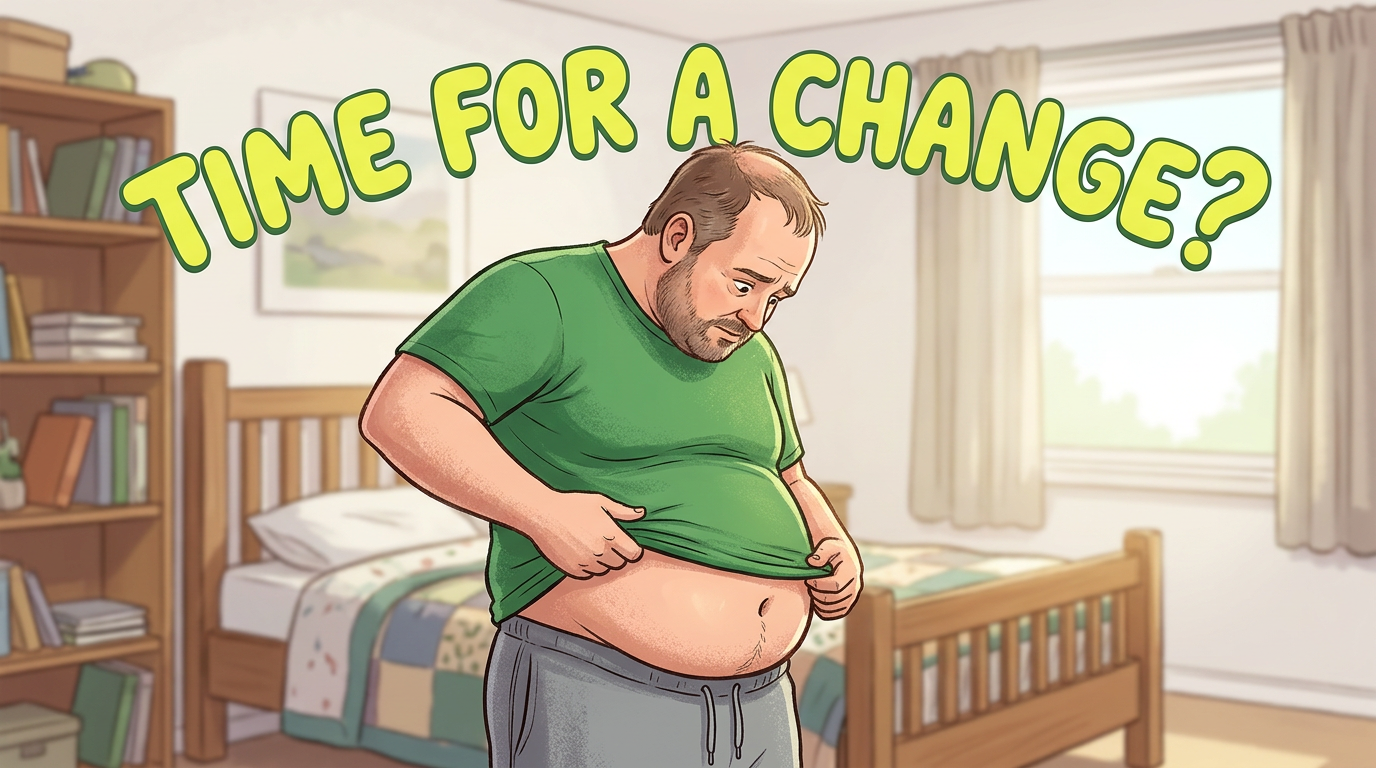
At 28, Shreyas had life figured out, at least on paper. A software developer in Pune, he had recently switched to “clean eating,” started a gym routine, and even downloaded a meditation app. But something felt off. He woke up bloated, craved sweets after every meal, felt foggy during morning meetings, and worst of all—constipation had become a daily battle.
Friends suggested cutting dairy. Others blamed gluten. His trainer said he wasn’t drinking enough water. Shreyas tried everything—eliminated foods, took probiotics, even did a “gut cleanse” from Instagram. Nothing worked for long.
He began to think: “Maybe I’m just built this way?”
But here’s the truth:
It’s not his fault. And it’s not yours either. The real issue lies deeper—inside your gut.
The Real Culprit: A Broken Gut Ecosystem

Most of us think digestion is just about breaking food down. But your gut is much more than a food pipe—it’s a living ecosystem, home to over 100 trillion bacteria, enzymes, and microbes working 24×7 to keep your body balanced. This ecosystem is known as the gut microbiome.
When balanced, it helps:
- Break down and absorb nutrients
- Produce mood-regulating hormones like serotonin
- Regulate immunity and inflammation
- Prevent cravings and energy crashes
But when it’s out of balance (a condition called gut dysbiosis), your entire system goes haywire:
- You feel bloated even after a light meal.
- You crave sugar constantly.
- You swing between constipation and loose motions.
- You get unexplained fatigue or brain fog.
Gut issues don’t happen overnight. They build slowly—thanks to:
- Irregular meals
- Antibiotic overuse
- Low-fiber diets
- Processed snacks
- Emotional stress
Your gut doesn’t need a fancy detox.
It needs a reset—from the root.

How Your Digestive System Actually Works (And What Breaks It)
Let’s break it down simply.
Step 1: Digestion Begins in the Mouth
- Saliva starts breaking down food—especially carbs
- Chewing signals your stomach to prepare acid
But most of us eat fast, distracted by screens. Poor chewing = undigested food = bloating.

Step 2: Stomach Acid Does the Heavy Lifting
- Contrary to popular belief, you need strong acid to digest food properly
- It breaks down protein and kills harmful bacteria
But Indian adults often suffer from low stomach acid, not high. Overusing antacids only worsens digestion over time.
Step 3: Gut Bacteria Take Over in the Small Intestine
- Here, the microbiome extracts nutrients and produces enzymes
- A healthy microbiome = smooth digestion and strong immunity
Stress, antibiotics, junk food, and even too much fiber can disrupt this balance.
When Your Gut Is Off—These Are the Signs

You may not realize it’s your gut acting up, because the signs seem unrelated:
- Bloating after most meals (not just gas)
- Constipation, even with fiber
- Cravings for sugar, coffee, fried food
- Bad breath, coated tongue
- Brain fog, fatigue, low motivation
- Mood swings or anxiety
- Acne or unpredictable skin breakouts
- Poor immunity (you catch colds often)
What People Usually Try (That Doesn’t Work Long-Term)
- Cutting random foods (gluten, dairy) without testing
- Buying expensive probiotic supplements
- Overusing antacids or digestion syrups
- Crash-dieting or skipping meals
These may help temporarily, but they don’t fix the root issue:
Your gut needs stability, not punishment.
Your Gut Reset Protocol—The Practical Indian Guide

Let’s fix this—slowly, naturally, and consistently.
1. Fix Your Meal Timings
- Eat your largest meal during the day (1–2 pm)
- Avoid late dinners (finish by 8–8:30 pm if possible)
- No random snacking at midnight—even “healthy” snacks
Why? Your gut follows a circadian rhythm. Late meals confuse it.
2. Simplify Your Plate
Choose digestible, whole meals over complex combinations.
Good Meal Examples:
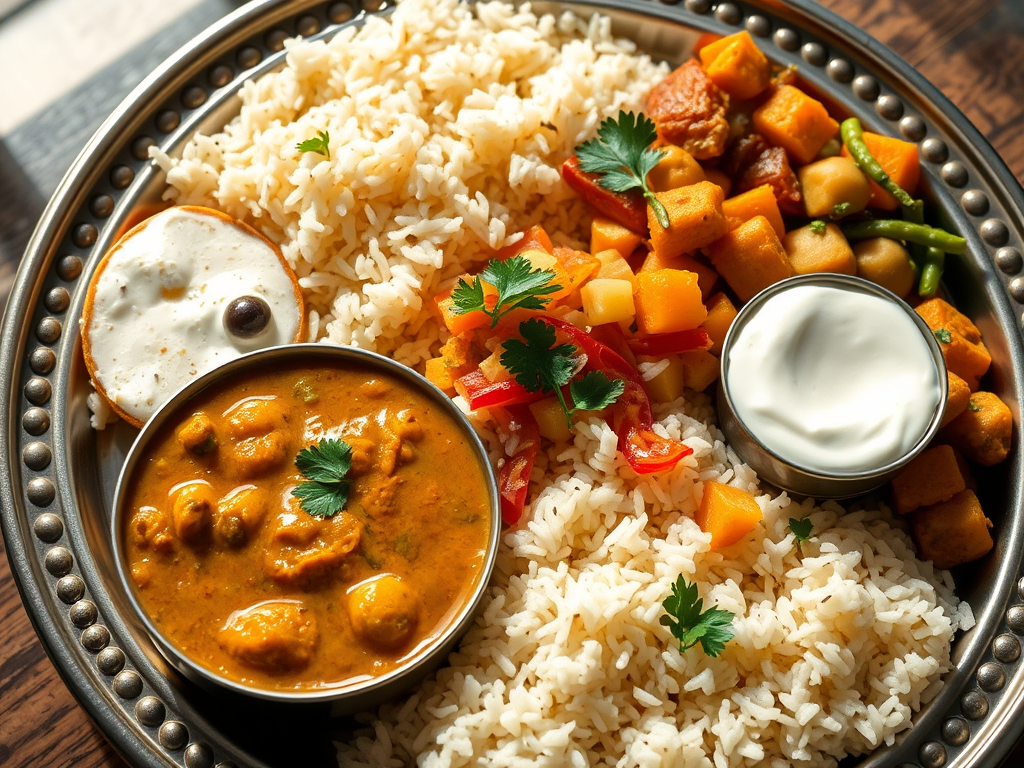
- Moong dal + rice + ghee + sautéed vegetables
- Khichdi with ajwain + jeera tadka + curd
- Steamed idli + coconut chutney
Limit: Deep-fried snacks (kachori, samosa, etc.), Reheated or stale food, Excess raw vegetables if you’re bloated often

3. Start the Day Right
Your morning sets your gut tone.
Morning Routine:
- 1 glass warm jeera or ajwain water
- Wait 20–30 mins before breakfast
- Light breakfast: upma, poha, fruit with soaked nuts
Avoid: tea/coffee on an empty stomach
4. Reintroduce Fermented Foods (Real Probiotics)
Instead of capsules, choose:
- Homemade buttermilk (chaas with jeera & ginger)
- Dahi (curd) with rice or paratha
- Kanji (fermented carrot drink in winters)
- Pickled amla or lemon (small quantities)

5. Chew Like Your Grandmother
Chew each bite 20–25 times. Your stomach has no teeth.
⏳ Eating fast = gas, bloating, poor nutrient absorption

6. Post-Meal Habits That Help
- Sit cross-legged for 5 minutes after meals (stimulates digestion)
- Avoid lying down immediately
- Walk slowly for 5–10 mins
7. Support Your Liver (Detox Organ)
Don’t punish your liver with cleanses—support it naturally:
- Include turmeric, coriander, and cumin
- Stay hydrated (but don’t chug water during meals)
- Cut back on alcohol and junk oils
8. Manage Stress (Yes, It Matters!)
Stress directly impacts gut bacteria and acid production.
Try:
- 10 minutes of deep belly breathing (pranayama)
- Walking after dinner with family
- Journaling or guided meditation (try apps like Sarva, Headspace)

Your Gut Health Questions—Answered
❓ Is bloating always due to gas?
No. It could be poor chewing, low stomach acid, or food fermentation in the gut. Gas is just one of many causes.
❓ Should I completely stop eating spicy food?
Not unless it’s irritating your gut. Indian spices like hing, jeera, ajwain, and ginger actually help digestion.
❓ Do I need a probiotic supplement?
Not necessarily. Start with fermented Indian foods. If symptoms persist, consult a specialist.
❓ Is fiber always good for digestion?
Depends. Too much fiber (especially raw) can irritate a weak gut. Cooked, soluble fiber (like oats, moong dal) is easier.
❓ Does skipping meals help with digestion?
Only if done mindfully. Random skipping or late-night fasting often backfires. Regularity is key
Conclusion: Your Body Isn’t Broken—It’s Just Misunderstood
Shreyas didn’t need a diagnosis—he needed a reset. So do you.
Start with these gentle shifts. Don’t rush. Your gut is like a garden—nourish it, and it will bloom.
Your Daily Gut Health Checklist
- Ate meals at regular times.
- Chewed each bite mindfully.
- Included a fermented food.
- Stayed away from processed snacks.
- Took 5 minutes to breathe or walk after meals.

Progress isn’t linear, but your body is listening.
With care, patience, and consistency—your gut will thank you.

Leave a Reply