

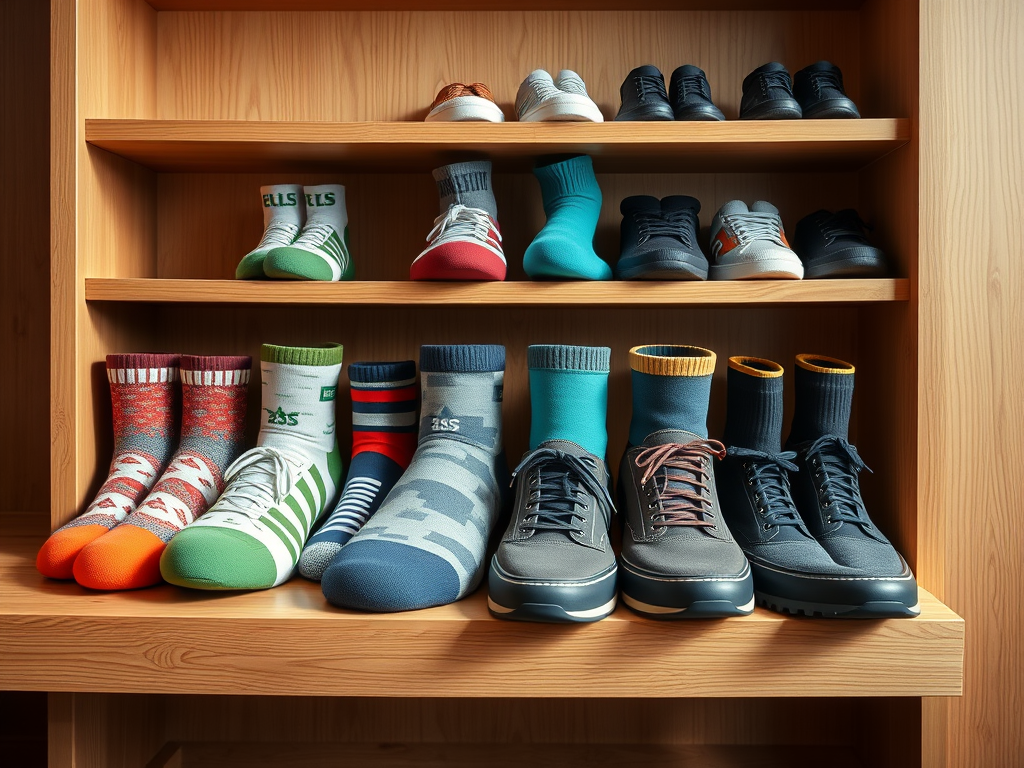
When most people think about diabetes management, they picture blood sugar monitors, dietary charts, and maybe a brisk morning walk. What rarely makes the list? Your wardrobe.
Yet, for millions living with diabetes, what you wear can be as important as what you eat. The reason is simple: diabetes often reduces nerve sensitivity (neuropathy), slows blood circulation, and delays healing. That means even a minor shoe bite or a piece of tight elastic digging into your skin could lead to bigger problems that take weeks or months to resolve.
But before you imagine being doomed to oversized slippers and shapeless clothes, here’s the good news: style and safety can happily coexist. You just need to make smarter choices.
Let’s walk through 15 essential dressing rules for diabetics, explained with enough detail so you not only follow them but understand why they matter.

1. Skip the Black Socks – Choose Colors that Talk Back
Black socks hide dust, but they also hide danger. If you develop a cut, blister, or any wound, you might not feel it due to neuropathy—and black fabric can make early signs invisible. White or light-colored socks act like an alert system, making blood spots or fluid noticeable at once.
This isn’t just about color preference; it’s about creating a visual safety net for your feet. The sooner you spot an injury, the sooner you can treat it—before it turns into something serious.

2. Choose Diabetic Socks – Not Just “Any” Socks
The average sock is made for style or warmth, not health. Diabetic socks, however, are carefully engineered: they’re seamless to prevent friction, non-binding to avoid restricting blood flow, and made from moisture-wicking fibers to keep feet dry.
Why does this matter? Moisture and friction are the perfect storm for fungal infections and skin breakdown. In warm climates—like most of India—socks that keep your feet dry and unrestricted are an investment in both comfort and safety.

3. No Barefoot Walking – Even at Home
It’s tempting to kick off shoes the moment you get home, but for diabetics, bare feet are a gamble. One unnoticed shard of glass, a splinter, or even a small pebble can pierce the skin and lead to infection.
Instead, wear cushioned slippers or socks with rubber grips indoors. In religious spaces where footwear isn’t allowed, carry a pair of clean socks for use inside—your faith can stay strong while your feet stay protected.

4. Invest in Diabetic Footwear – Your Health in Every Step
Diabetic shoes are designed for prevention. With wider toe boxes, extra cushioning, and soft interiors, they minimize pressure points and prevent rubbing. Many models also come with removable insoles so you can insert custom orthotics.
And no, they don’t have to look like medical gear anymore—modern designs blend health features with casual or formal style, so you can wear them anywhere without broadcasting a medical condition.

5. Avoid Tight Shoes – Circulation Comes First
A snug shoe may look neat, but it silently squeezes your toes and restricts blood flow. In people with diabetes, reduced circulation means slower healing, so even mild friction can turn into a stubborn ulcer.
Your toes should have wiggle room, and the shoe should hold your heel securely without pressing anywhere. Comfort now prevents complications later.

6. Break in New Shoes Gradually – No Marathons on Day One
Brand-new shoes can have hidden trouble spots—hard seams, stiff edges, or areas that press in unexpected ways. Wear them for short periods at first, gradually increasing the time over a week or more.
Think of it as testing a new car—you wouldn’t go on a cross-country road trip without first driving it around the block.

7. Inspect Shoes Before Every Wear – A Two-Minute Habit That Saves Weeks of Healing
Before slipping into your shoes, turn them upside down, shake them out, and run your hand inside. A stray pebble, a bent insole, or a stitching defect could be hiding inside. If you have neuropathy, you might not feel the problem until it’s too late.
This quick check is your daily insurance against avoidable injury.

8. Say Goodbye to High Heels and Narrow-Toed Styles
High heels push weight onto the front of the foot, while narrow shoes squeeze toes together—both create pressure points that can damage skin. For diabetics, that’s a high-risk fashion choice.
Choose low, broad heels and round or square toe shapes. You can still find elegant designs that support your foot rather than punish it.

9. Avoid Tight Clothing – Let Blood Flow Freely
Tight jeans, leggings, or socks with firm elastic can limit circulation to your lower limbs. In diabetes, where blood supply may already be compromised, that’s a double hit.
Aim for clothing that skims the body rather than squeezes it. You’ll not only protect your health but also enjoy greater comfort during the day.

10.Opt for Breathable Fabrics – Keep Skin Dry and Cool
Breathable fabrics like cotton, bamboo, or moisture-wicking synthetics help regulate skin temperature and reduce sweat buildup. In hot, humid climates, this can mean the difference between healthy skin and a fungal infection.
Avoid heavy polyester blends in summer—they trap heat, leading to excessive moisture and irritation.

11. Avoid Harsh Elastic Bands – Pressure Isn’t Always Stylish
Elastic waistbands, sleeves, and sock tops can leave deep marks on the skin—a sign they’re restricting blood flow. Over time, this can contribute to swelling and further circulation issues.
Look for soft-stretch options or adjustable closures. Tailors can also modify waistbands for a better fit—style shouldn’t come at the cost of comfort.

12. Layer Smartly in Cold Weather – Warmth Without Restriction
Cold weather can be deceptive for diabetics with neuropathy; you may not feel just how cold your extremities are. Layer clothing to trap heat, but ensure nothing is so tight that it restricts blood flow.
Thermal socks, wool blends, and insulated footwear can keep you warm without the risk of frostbite or burns from direct heat sources.

13. Keep Feet Away from Direct Heat – Burns Can Happen Silently
Hot water bottles, heating pads, or sitting too close to a heater can cause burns that go unnoticed until the damage is done. This is especially risky if nerve sensitivity is reduced.
Instead, use warm socks or a blanket for gentle, safe heat. It’s warmth without the risk.

14. Avoid Non-Breathable Footwear – Give Your Feet Fresh Air
Plastic, vinyl, and other non-porous materials trap heat and moisture, creating a breeding ground for fungi and bacteria. Leather, canvas, or mesh materials allow air to circulate, keeping feet dry and healthy.
Even in rainy seasons, opt for breathable water-resistant materials rather than fully sealed plastic designs.

15. End the Day with a Foot Check – A Ritual That Protects You
Every evening, take a few minutes to check your feet for redness, swelling, cuts, or changes in skin color. Use a mirror for hard-to-see areas or ask someone to help if needed.
Pair this habit with your nighttime routine—after changing clothes, before bed—so it becomes second nature.

The Missing Link: Post-Dressing Habits
- While choosing the right clothes and shoes is essential, what you do after wearing them matters just as much.
- Change socks daily (or more often if damp)
- Let shoes air out before the next wear
- Moisturize feet to prevent dryness, but avoid between the toes
- Wash and dry clothing thoroughly to prevent bacterial buildup

Quick Safety Recap – The Dressing Code for Diabetics
Do:
- Choose light-colored, seamless socks
- Wear properly fitted diabetic shoes
- Opt for breathable fabrics and non-restrictive clothing
- Inspect feet and footwear daily
Don’t
- Wear tight shoes or clothing
- Walk barefoot indoors or outdoors
- Use direct heat on feet
- Keep damp socks or shoes on for long periods
Final Word
Fashion trends change, but your health is constant. The right clothes and shoes don’t just make you look good—they protect you from the silent risks diabetes can bring. Dressing with care is not about giving up style; it’s about ensuring you’ll be healthy enough to enjoy style for decades to come.
After all, the best outfit is the one that keeps you walking confidently, comfortably, and safely through life.
Share it if anyone in your family or close friends needs this. Also read The right way of taking care of diabetic patients at home.




Leave a Reply