

If your blood sugar feels like it’s doing Zumba, up, down, and all around, you’re not alone. The good news? You don’t need to survive on bland food or count every grain of rice like it’s gold dust. You can tame those sugar spikes just by eating smarter. Yes, your plate can become your prescription, without making you feel like you’re on a permanent diet punishment.
Think of your blood sugar like a rollercoaster: fun in an amusement park, but exhausting in your body. One minute you’re buzzing with energy, the next you’re slumped on the couch wondering why you feel like a deflated balloon. The secret is not giving up your favorite foods, but learning how to play the food game smarter. Imagine being able to eat your paratha or rice and still keep your sugar steady, it’s possible!
All it takes is understanding which foods are sugar sprinters (quick to spike) and which are marathon runners (slow, steady release). And once you know the rules, you’ll realize that managing blood sugar isn’t about restriction, it’s about balance, timing, and clever pairings that let you enjoy your meals without the guilt trip.

Why Sugar Spikes Even Happen
When you eat, your food breaks down into glucose (sugar), which enters your bloodstream. Your pancreas then sends in insulin, the hormone that acts like a key, unlocking your cells so they can use that sugar for energy. Sounds smooth, right?
But here’s the twist: when the sugar rush is too high, insulin turns into a frantic traffic cop at a chaotic crossing, trying to direct cars, but everything’s honking, rushing, and getting jammed. Your body handles it for a while, but repeated spikes start wearing it down. Think of it like overworking an engine, it overheats, the parts start creaking, and the system struggles.
These constant spikes don’t just leave you with energy crashes; they also slow your body’s healing powers, strain your pancreas, burden your heart, and stress other organs. Over the long run, it’s like inviting lifestyle diseases, diabetes, heart problems, even stubborn fatigue, for a permanent staycation in your body.
The real kicker? Most of these sugar swings aren’t caused by big desserts alone, they creep in through everyday foods and habits. The way you build your plate, the timing of your meals, even how much fiber you get, all of it plays a role.
So how do you stop this drama? The answer is simpler (and tastier) than you think: your daily diet.
1. Know Your GI and GL (But Don’t Obsess)
First, let’s crack the code:
- Glycemic Index (GI): This tells you how quickly a particular carb food can raise your blood sugar. Think of it as a “speedometer” for sugar release.
- Glycemic Load (GL): This is the wiser cousin, it looks not just at speed, but also at the quantity you ate. Because hey, eating one spoon of rice is not the same as demolishing three plates.

Here’s the fun bit: white bread? High GI, sugar spikes faster than breaking news. Whole wheat roti? Lower GI, slower, steadier release. But if you stack up five whole wheat rotis on your plate and chow them down, your GL shoots up anyway. Translation: portion size matters just as much as the type of carb.
The moral of the story? Carbs aren’t villains. They’re more like moody characters in a drama, handle them right, and they’ll support the story. Overdo it, and they’ll hijack the script. It’s not about ditching carbs altogether but about how much, how often, and what you pair them with. A little wisdom goes a long way in keeping your sugar drama-free.
2. Balance Is Sexier Than Restriction
Forget boring diets that scream “No carbs! No sweets! No fun!” The truth is, a plate that keeps your blood sugar steady doesn’t need to be restrictive, it needs to be balanced. Think of it as curating the perfect playlist: you need some bass, some melody, a few beats, and a singer to tie it all together.
Here’s what your body grooves best with:
- Complex carbs (whole grains, millets, oats, brown rice) – slow-release energy that fuels you for hours instead of minutes.
- Protein power (eggs, paneer, dals, lean meats) – they’re like the anchors, keeping your hunger in check and your sugar steady.
- Good fats (nuts, seeds, avocado, olive oil) – often underestimated, but they make your meals satisfying and prevent sugar rollercoasters.
- Fiber fillers (vegetables, fruits with peel, legumes) – nature’s very own sponge, slowing down sugar absorption and feeding your gut bacteria.
If cricket is your jam, imagine your plate as a dream team: carbs are your batters scoring runs, proteins your bowlers keeping things tight, fats your sharp fielders saving the day, and fiber your reliable wicketkeeper who doesn’t let anything slip. You simply can’t win with just one player dominating the game.
Balance, not restriction, is what makes your plate powerful, and yes, sexier. Because a plate that has variety, color, and balance doesn’t just keep your sugar stable, it keeps you excited about every meal.
3. What to Add (And What to Kick Out)
Your plate can either be your best friend or your sugar-spiking frenemy. The trick? Know what to invite in and what to politely show the door. Add More Of (Your Sugar’s BFFs):
- Leafy greens (spinach, kale, methi): Packed with magnesium, which helps your cells respond better to insulin. Think of them as tiny sugar bodyguards.
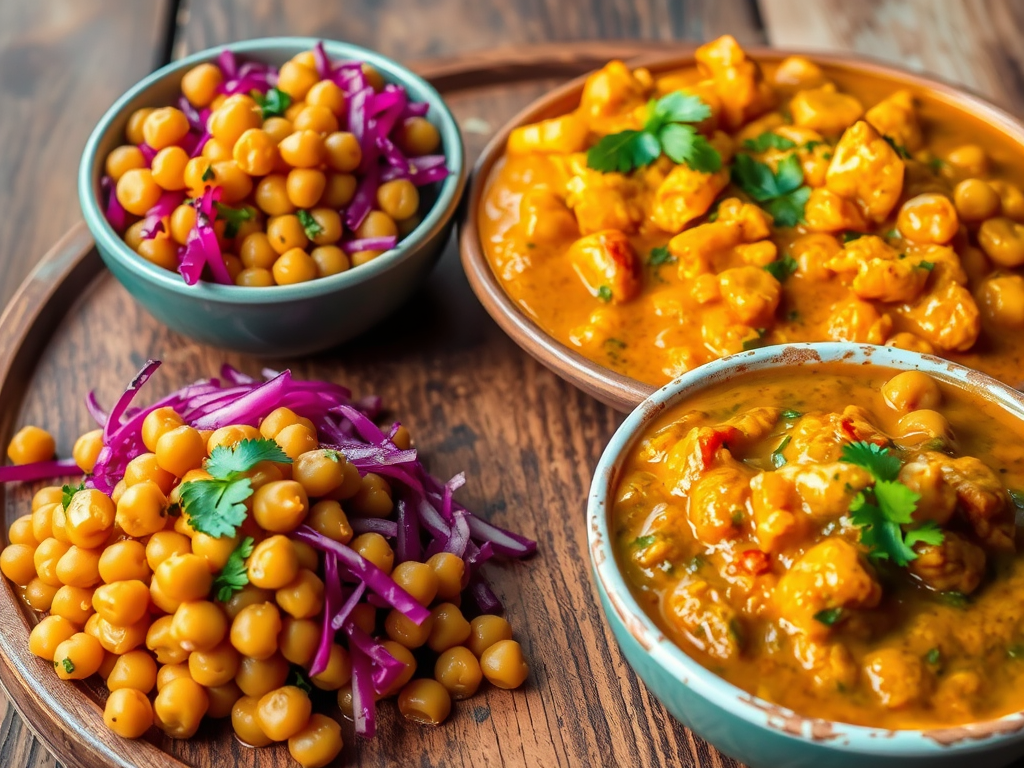
- Legumes & beans (chickpeas, kidney beans, lentils): Fiber bombs and protein powerhouses. They slow digestion and keep sugar swings in check.
- Fermented foods (dahi, kimchi, sauerkraut): Your gut bacteria are silent sugar managers, feed them well, and they’ll treat you kindly.
- Colorful fruits (berries, guava, apple): Low GI, antioxidant-rich, and sweet enough to crush dessert cravings without a sugar crash.
Kick (Or Cut) Down On (Your Sugar’s Trouble-Makers):
- Refined carbs (white bread, maida, instant noodles): They spike your blood sugar faster than you can say “oops.”
- Sugary drinks (soda, packaged juices, energy drinks): Basically liquid sugar bombs that bypass fullness and go straight to your bloodstream.
- Processed snacks (biscuits, chips, namkeen): High GL, low nutrition, like that flaky friend who shows up only to cause drama.
Magic isn’t about banning foods for life, it’s about smart swaps. Replace white rice with brown or millet occasionally. Swap soda for sparkling water with lemon. Trade biscuits for roasted chana. Small switches, big impact.
4. Timing Is Everything
Skipping meals and then binging is like ghosting your blood sugar and then bombarding it with 20 missed calls, it leaves your body confused, cranky, and struggling to keep up. When it comes to managing sugar spikes, when you eat is just as important as what you eat.
Here’s how to time your meals like a pro:
A. Eat smaller, frequent meals every 3–4 hours
Instead of eating three giant meals, break them into four to five smaller, balanced ones. Why? Because large, infrequent meals create massive sugar surges, while smaller, regular ones keep things steady. Think of it like refueling a car: small top-ups keep the engine running smoothly, while dumping a full tank at once can cause overflow. These steady meals also prevent hunger pangs and mindless snacking, two major culprits behind sugar spikes.
B. Don’t overload carbs at night, your metabolism slows down
Late-night heavy carb meals are like sending sugar an invitation to linger. As the day winds down, your body’s ability to process glucose becomes less efficient. That means the same plate of pasta you might handle well at lunch could cause a sugar surge at 10 p.m. Instead, go lighter at dinner, more veggies and protein, fewer refined carbs, and aim to finish eating at least 2–3 hours before bed. Your pancreas (and your sleep) will thank you.
C. Always pair carbs with protein or fat
Eating plain carbs, like rice or bread alone, is like hitting the gas pedal without brakes. Pairing them with protein or healthy fat slows digestion and sugar absorption, leading to a steadier blood sugar curve. For example, instead of just a bowl of rice, go for roti + dal + sabzi or pair fruit with a handful of nuts. The added protein and fat act as a buffer, keeping glucose from spiking too quickly and helping you feel fuller for longer.

5. Foods That Double as Healers
Managing blood sugar is only half the story, your diet is also your built-in repair kit. The right foods don’t just keep sugar in check; they also help your organs function better, speed up healing, and keep you resilient against everyday wear and tear. Think of them as your body’s maintenance crew working behind the scenes.
Vitamin C foods (amla, citrus fruits)
Vitamin C isn’t just for immunity boosts during flu season. It plays a key role in collagen production, the stuff that keeps your skin firm, your gums healthy, and wounds healing faster. Add amla shots, oranges, or a squeeze of lemon to your meals, and you’ve got a natural healer working overtime.
Iron-rich foods (legumes, spinach, ragi)
Iron is your oxygen delivery guy. It helps build hemoglobin, which carries oxygen through your blood. Without enough iron, you feel sluggish, tired, and foggy. Legumes, leafy greens, and ragi (finger millet) not only support healthy blood but also keep your energy levels consistent, which is critical when you’re managing sugar spikes.
Omega-3s (flaxseeds, walnuts, fish)
Sugar spikes often go hand-in-hand with inflammation. Omega-3 fatty acids are like the fire extinguishers of your body, they calm inflammation, protect your heart, and improve insulin sensitivity. A tablespoon of flaxseeds, a handful of walnuts, or a piece of grilled fish can give you that anti-inflammatory edge.
Hydration heroes (water, coconut water, herbal teas)
Your kidneys are the unsung heroes working nonstop to flush out excess sugar. Staying hydrated helps them do their job well. Plain water should be your MVP, but adding coconut water or light herbal teas (like chamomile or tulsi) can keep things interesting. Just steer clear of sugary packaged drinks pretending to be “healthy.”
The bottom line? A healing-friendly diet is like having a 24/7 repair squad inside you, supporting blood, heart, and organ health while giving your body the tools to bounce back faster.
The Real Secret: Diversification
If your plate looks like the same old dal-chawal on repeat, your taste buds might survive, but your body definitely won’t thrive. Eating the same few foods every day is like watching the same movie over and over, you already know the ending, and you’re missing out on all the other stories.
A diversified diet means your blood sugar stays steadier, your organs get the broad spectrum of nutrients they need, and your body heals faster because it’s not running on “just enough.” Every food group brings its own unique set of vitamins, minerals, and phytonutrients, ignore too many, and you’re leaving gaps in your body’s defense system.
Think of it like investment diversification. You wouldn’t put all your money into one stock, right? Because if it crashes, so does your savings. Same with food: if all your “health currency” is stuck in rice or wheat alone, you’re not protected. But mix it up with millets, legumes, veggies, fruits, nuts, seeds, and proteins, and suddenly you’ve got a rock-solid portfolio that keeps your health stable no matter what.
The real win? Diversity doesn’t just nourish your body, it keeps your meals exciting. Because honestly, who wants a lifetime sentence of monotony on their plate?
Bottom Line
Reducing sugar spikes isn’t about turning your favorite foods into enemies or giving up the rice, roti, or paratha you love. It’s about smart portion control, clever food pairings, diversifying your plate, and keeping meals on a consistent rhythm. Your kitchen already has all the tools, spices, grains, proteins, and greens, you just need to use them thoughtfully. Small tweaks can make a huge difference, without ever feeling like punishment.
Your blood sugar doesn’t have to call the shots, you get to be the boss. Start small: swap brown rice for white, choose roasted chana over biscuits, or add a handful of nuts to your breakfast. Over time, these tiny nudges stack up into a lifestyle that keeps your sugar steady, your energy high, and your body happy.
Ready to turn your meals into a blood-sugar-friendly, taste-bud-approved power move? Experiment, play with flavors, mix colors on your plate, and watch your body thank you, one balanced bite at a time.
References
- Jenkins, David J. A., et al. “Glycemic index of foods: a physiological basis for carbohydrate exchange.” The American Journal of Clinical Nutrition. 1981 Mar;34(3):362–366. https://doi.org/10.1093/ajcn/34.3.362
- Augustin, Livia S. A., et al. “Glycemic index, glycemic load and glycemic response: an international scientific consensus summit.” Nutrition, Metabolism and Cardiovascular Diseases. 2015 Sep;25(9):795–815. https://doi.org/10.1016/j.numecd.2015.05.005
- Schwingshackl, Lukas, et al. “Food groups and risk of type 2 diabetes mellitus: a systematic review and meta‐analysis of prospective studies.” European Journal of Epidemiology. 2017 May;32(5):363–375. https://doi.org/10.1007/s10654-017-0246-y
- Esposito, Katherine, et al. “Dietary patterns and glycemic control in type 2 diabetes.” Diabetes Care. 2009 Feb;32(2):257–262. https://doi.org/10.2337/dc08-0720

Leave a Reply