

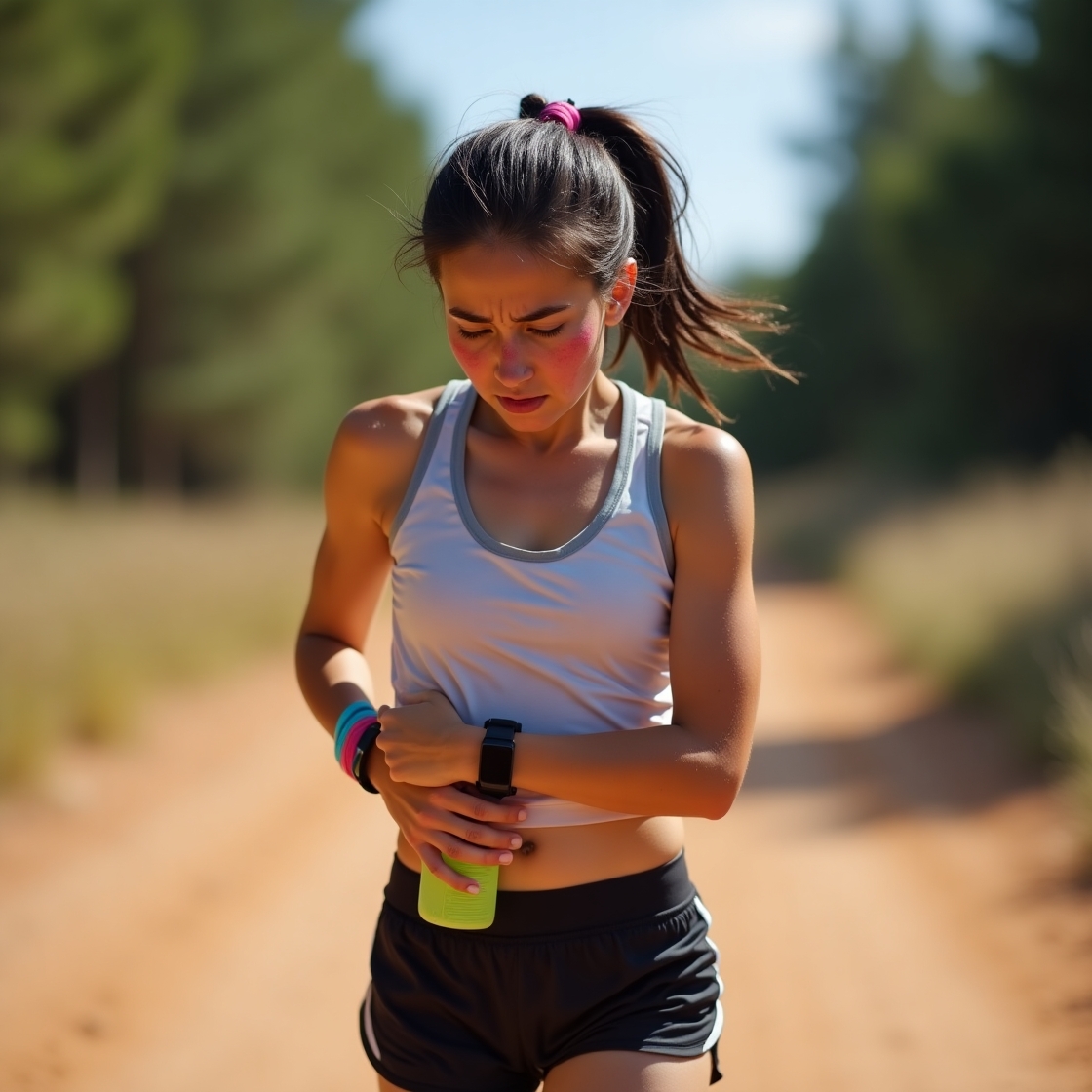
Imagine this: you’ve been hitting your workouts hard, eating decently, sleeping okay… yet by mile two you’re gasping harder than a goldfish out of water. Before you blame “fitness,” let’s pause. What if the real culprit isn’t cardio related at all, but something sneakier like anemia? The kind of silent hitchhiker that doesn’t shout its presence but quietly robs you of energy, breath, and drive. You push harder, thinking you’re building endurance, but instead, every rep and every lap feels heavier than it should. Friends breeze past you during a run and you’re left wondering if you’ve lost your edge or if your body is working with half a fuel tank. Some days you feel like you’re training twice as hard just to get half the results. Other days even climbing a few flights of stairs feels like a mini marathon. And the strangest part? It can happen to anyone, even people who look perfectly fit on the outside.

Stamina: It’s Not Just One Thing
Stamina is made of two major components:
1. Cardiovascular endurance
- Measures how well your heart and lungs deliver oxygen-rich blood to your working muscles.
- The better this system works, the longer you can sustain activities like running, cycling, or swimming without gassing out.
2. Muscular endurance
- Determines how long your muscles can keep contracting and performing before fatigue sets in.
- Essential for repetitive, sustained movements like holding a yoga pose, doing multiple push-ups, or long-distance rowing.
The Common Thread:
- Both types of endurance depend on efficient oxygen delivery.
- Without enough oxygen, your muscles can’t produce sufficient ATP (energy), leading to early fatigue.
- Anemia disrupts this oxygen supply chain, making stamina plummet even if your training is on point.

Anemia 101: Not Just “Low Energy”
Anemia happens when your red blood cells or hemoglobin levels drop below what your body needs to function at its best. Hemoglobin is the protein inside red blood cells that carries oxygen from your lungs to every cell in your body. When it is low, your tissues and muscles do not get enough oxygen, and that can make even everyday activities feel exhausting. Think of it like having a fleet of taxis in the city but most of them are stuck in traffic. Passengers (oxygen) are waiting, but they simply cannot get to their destinations (your muscles) fast enough.
Common types of anemia include:
- Iron-deficiency anemia – The most common type, caused by low iron intake, blood loss, or poor absorption.
- Vitamin B12 deficiency anemia – Occurs when your body lacks enough vitamin B12 to produce healthy red blood cells.
- Folate deficiency anemia – Similar to B12 deficiency but caused by low folate levels, often due to diet or absorption issues.
- Anemia of chronic disease – Linked to long-term health conditions such as kidney disease, autoimmune disorders, or infections.

How common is it?
- Anemia affects billions worldwide and can impact people of all ages.
- Women of reproductive age, pregnant women, young children, and athletes are at a higher risk.
- In some regions, more than half of women may be anemic, making it a major global health concern.

The Science, Fuel Tank Running on Fumes
Hemoglobin works as your body’s personal oxygen shuttle service, carrying oxygen from your lungs to your muscles. When hemoglobin levels drop, less oxygen reaches your muscle cells. As a result, your mitochondria, the tiny power plants in your cells, produce less ATP, the energy currency that powers every movement. The result is early fatigue and slower recovery. Even mild anemia can chip away at your stamina, lowering your VO₂max (a key measure of cardiovascular fitness) and making it harder to keep going during workouts or daily activities.
Why low hemoglobin affects stamina:
- Reduced oxygen delivery – Muscles receive less oxygen, limiting their ability to sustain effort.
- Lower ATP production – With less oxygen, mitochondria cannot produce energy efficiently.
- Decreased endurance – Your body tires faster, and physical tasks feel more challenging.
- VO₂max drop – The maximum oxygen your body can use during exercise declines, reducing performance.

Why It Matters for Active Humans
Whether you are training for a marathon, cycling on weekends, or simply chasing your kids around, anemia can silently chip away at your energy reserves. Female athletes face a higher risk because they lose iron through menstruation, sweat, and even tiny amounts of internal bleeding from intense workouts. On top of that, hard training can reduce the body’s ability to absorb iron efficiently. Over time, this combination can significantly weaken stamina and slow recovery.
Key reasons anemia hits active people harder:
- Iron loss through menstruation – Regular monthly loss reduces iron stores.
- Iron loss through sweat – Long and sweaty workouts contribute to depletion.
- Micro-bleeding from exercise – High-impact or intense activities can cause tiny internal bleeds.
- Reduced iron absorption during training – The body’s uptake efficiency can drop under physical stress.
- Increased oxygen demand – Active muscles require more oxygen, which becomes harder to supply with low hemoglobin.

Not Just Laziness, Know the Red Flags
If you find yourself breathless after light activity, feeling unusually tired, looking paler than usual, or noticing brittle nails, hair thinning, a racing heart, or slow recovery after workouts, it may not be poor fitness. These signs can point to anemia, a condition where your body struggles to deliver enough oxygen to your tissues. Left unchecked, it can lead to reduced stamina, poor concentration, and even heart strain over time. Recognizing these early clues can help you get tested and treated before it impacts your daily life, sports performance, or overall health.
Common red flags for anemia:
- Breathlessness after mild exertion
- Persistent, unexplained fatigue
- Pale skin or gums
- Brittle or spoon-shaped nails
- Hair thinning or increased shedding
- Rapid or irregular heartbeat
- Slow recovery after exercise or illness
- Frequent dizziness or lightheadedness
- Cold hands and feet even in warm weather

Getting Checked Out: Tests & Diagnosis
If you suspect anemia, the first step is a Complete Blood Count (CBC) to measure your hemoglobin levels and red blood cell health. From there, deeper tests like ferritin (to check your iron storage), vitamin B12, and folate can help identify the root cause. In certain cases, your doctor may investigate hidden blood loss, chronic illnesses, or absorption issues that could be silently depleting your energy. Early detection not only helps restore your stamina but also prevents long-term complications. Catching it early means your treatment can be simple and quick, often just dietary changes or supplements. Ignoring it, however, could mean a longer recovery and persistent fatigue that affects your daily performance.
Key tests for anemia detection:
- Complete Blood Count (CBC) – Checks hemoglobin, hematocrit, and red blood cell count
- Ferritin test – Measures iron storage in the body
- Vitamin B12 & folate tests – Identifies deficiencies that can cause anemia
- Iron studies – Includes serum iron, TIBC, and transferrin saturation
- Additional tests – Stool occult blood test, endoscopy, or other scans if internal bleeding is suspected

Boosting Stamina, Fuel Up, Smartly
Here’s your action plan to fight anemia and keep your endurance strong:
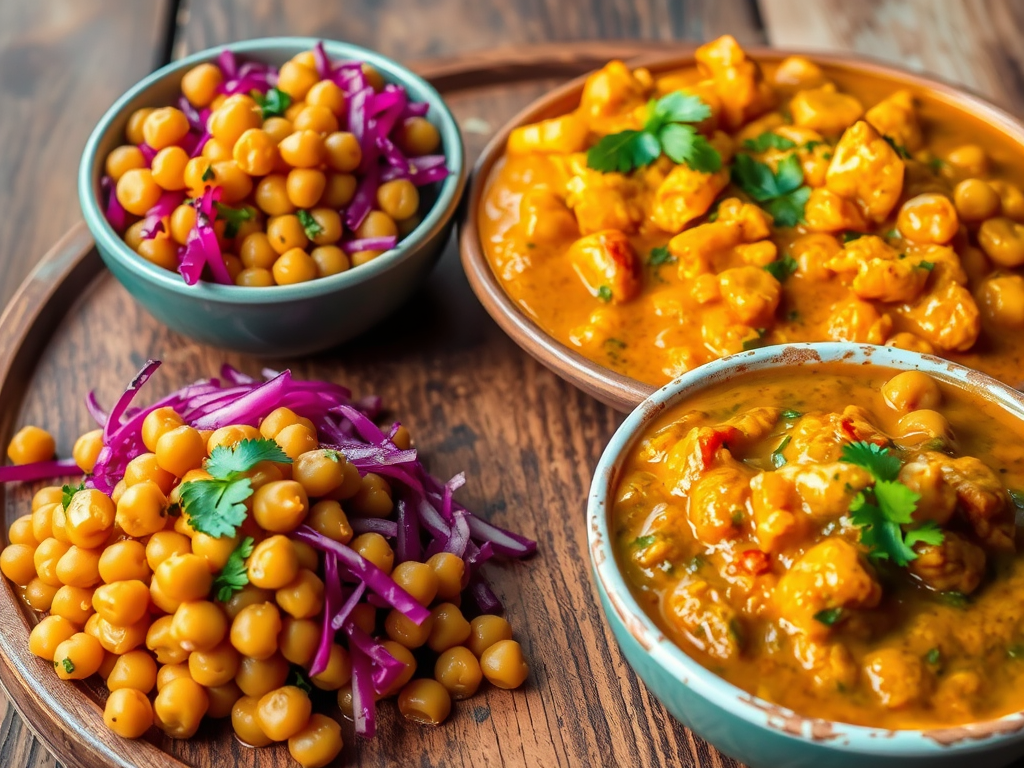
- Eat smart: Prioritize iron-rich foods like lean meats, fish, eggs, lentils, beans, and spinach. Pair them with vitamin C-rich options (citrus fruits, bell peppers, tomatoes) to boost absorption.
- Time it right: Avoid tea, coffee, and high-calcium foods within an hour of iron intake, they can block absorption.
- Supplement wisely: Consider iron or B12 supplements only after medical advice and proper testing.
- Train smarter: Adjust your training intensity to prevent overtraining, which can worsen anemia and prolong recovery.
- Track your health: Regularly monitor your iron and hemoglobin levels, especially if you’re an athlete, menstruating female, or in a high-risk group.
- Recover fully: Include adequate sleep and rest days, your body needs downtime to rebuild red blood cells and restore energy.

Prevention for the Active Crowd
If you’re in a high-risk group, female athletes, endurance trainers, or those with a history of anemia, make regular screenings part of your routine. Don’t just aim for “healthy eating”; eat strategically with iron- and B12-rich foods that match your energy expenditure. Plan your meals so you’re pairing iron sources with vitamin C and avoiding absorption blockers like tea or coffee right after.
Stay mindful of hydration, sleep, and recovery days, because rest is when your body actually builds endurance and replenishes its nutrient stores. Factor in periodic rest weeks or lighter training cycles to protect against overtraining-related iron loss. Listen to your body, persistent fatigue is a signal, not a challenge to push harder. In performance and health, training smart will always beat training on empty.

FAQs, Quick Clarifications
1. Can I train with anemia?
Mild cases might allow light exercise, but performance will still suffer, and recovery will be slower. Severe anemia needs proper treatment before you even think about training, it’s about safety, not just stamina.
2. Will my stamina bounce back quickly?
Many people see improvements within weeks once iron, B12, or folate levels are restored. However, full performance recovery can take a couple of months, depending on how depleted your stores were.
3. Is it always about iron?
No, B12, folate, chronic inflammation, genetic blood disorders, or underlying illnesses can all cause anemia. That’s why proper testing matters before self-supplementing.
4. Can I prevent it with supplements alone?
Not always. Supplements help only if you’re deficient in that nutrient, and over-supplementing iron can cause harm. Diet, training, and health checks all play a role.
5. Will anemia affect my heart?
Yes, if left untreated for long, anemia forces your heart to work harder to deliver oxygen, potentially leading to heart strain or other complications.

Myth-Busting
Myth: “Just exercise more to fix low stamina.”
Reality: Without fixing anemia, you’re just digging a deeper hole for your health and performance.
Myth: “Anemia only happens to women.”
Reality: Men, children, and older adults can have it too—especially athletes or those with chronic illnesses.
Myth: “Meat-eaters can’t be anemic.”
Reality: Poor absorption, blood loss, or high training demands can still cause anemia, even if your diet has iron.
Myth: “If I’m not pale, I can’t be anemic.”
Reality: Many people with anemia show no obvious signs until symptoms like fatigue or breathlessness kick in.

Myth: “Iron-rich diet means I’m safe forever.”
Reality: Iron needs can change over time with age, activity level, and health conditions, regular checks matter.
Conclusion
That nagging fatigue, breathlessness, and slow recovery might not be your fault—or your fitness plan’s fault. Anemia could be quietly stealing your stamina. By understanding how oxygen powers your body, spotting the early signs, and getting the right tests, you can fuel up smartly, recover faster, and finally feel like you’ve got your energy back.
Don’t settle for “just tired” as your normal. Your body’s performance depends on more than just training, it thrives when your blood and cells are fully fueled. The sooner you address anemia, the sooner you’ll feel the difference not just in workouts, but in daily life, sharper focus, steadier moods, and that “light on your feet” feeling again.

If you’ve been feeling drained for no clear reason, don’t push through, get tested. A simple check could be the key to unlocking the stamina you’ve been chasing. Listen to your body, fuel it right, and let every breath you take power you forward. Energy is meant to be lived, not longed for.
References
- Global anaemia prevalence ~24.3 %, ~1.92 billion cases (2021) (https://pubmed.ncbi.nlm.nih.gov/37536353)
- One in four globally (~2 billion) anemic; children & women most vulnerable (https://ourworldindata.org/billions-people-suffer-anemia-cheap-ways-reduce)
- Women 15–49 years ~30.7 %, pregnant women ~35.5 % (2023). https://www.who.int/data/gho/data/themes/topics/anaemia_in_women_and_children
- India: 57 % anemia in women 15–49 (NFHS-5) (https://en.wikipedia.org/wiki/Malnutrition_in_India)
- Mild anemia impairs physical performance in young males. (https://pmc.ncbi.nlm.nih.gov/articles/PMC6671998)
- Iron-deficiency anemia cuts VO₂max by ~10 % in female athletes (https://www.eurekahealth.com/resources/female-athlete-iron-deficiency-anemia-sports-performance-en)
- Iron deficiency (with or without anemia) harms endurance and recovery (https://www.trainingpeaks.com/coach-blog/iron-deficiency-anemia-and-endurance-athletes)
- Nutritional & chronic causes; screening guidance (https://www.verywellhealth.com/facts-about-anemia-6503636)
- Iron absorption challenges in athletes; screening advice (https://www.germanjournalsportsmedicine.com/archive/archive-2024/issue-5/approaches-to-prevent-iron-deficiency-in-athletes)

Leave a Reply