


You are eating less than you used to. You are being careful. But somehow hunger is winning most afternoons, the scale is moving slower than expected, and you feel soft rather than lean even as the numbers drop. For a significant number of people, the missing variable is not calories — it is protein. In this article we’ll see how protein intake can help you lose weight or excess body fat.
How Much Protein to Lose Body Fat?

Protein is not just for people who lift weights. It is the macronutrient most critical to weight loss that is not muscle loss, the nutrient most likely to keep you full between meals, and one of the most under-consumed macronutrients in the average Indian diet. This article covers exactly how much protein you need to lose weight effectively, why the research numbers are higher than most people expect, who benefits most, and how to actually hit your targets with foods available in an Indian kitchen.
Short on time? Skip to the Practical Summary at the bottom.
Why Protein Matters for Weight Loss (Beyond “Building Muscle”)
Most people associate protein with bodybuilders drinking chalky shakes after gym sessions. The research tells a different story. Protein has three distinct mechanisms that directly support fat loss, each backed by strong evidence.
Satiety: The Hunger-Fighting Advantage
Protein is the most satiating macronutrient. A landmark study by Weigle et al. published in the American Journal of Clinical Nutrition (2005) found that increasing protein from 15% to 30% of caloric intake led to spontaneous reductions in caloric intake of approximately 441 kcal per day — without any instruction to eat less. Participants simply felt less hungry. The mechanism involves increased release of satiety hormones (GLP-1, peptide YY) and suppression of ghrelin, the primary hunger-driving hormone.
Muscle Retention: Protecting What You Do Not Want to Lose
During caloric restriction, the body draws energy from both fat and lean tissue. Without adequate protein, a significant portion of weight lost during a diet is muscle — not fat. A 2012 meta-analysis by Wycherley et al. in the American Journal of Clinical Nutrition found that high-protein diets during caloric restriction produced significantly greater fat loss and significantly better lean mass retention compared to standard-protein diets.
Thermic Effect of Food: The Metabolic Bonus
Protein has a thermic effect of 20–30% — meaning your body burns roughly 20–30 calories digesting every 100 calories of protein consumed, compared to 5–10% for carbohydrates and 0–3% for fat.
How Much Protein Do You Actually Need?
The Research-Backed Numbers
The Recommended Dietary Allowance (RDA) for protein — 0.8g per kg of body weight — is the minimum needed to prevent deficiency in sedentary adults. It is not a target for weight loss. The research on protein for fat loss points to substantially higher numbers.
For general weight loss with moderate activity: 1.2–1.6g of protein per kilogram of body weight per day. This range is supported by a position paper of the International Society of Sports Nutrition (Stokes et al., 2018) and a comprehensive 2015 meta-analysis by Morton et al.
For aggressive caloric deficits or active resistance training: 1.6–2.2g per kilogram body weight per day. Helms et al. (2014) found that leaner individuals in aggressive deficits benefit from the higher end of this range to prevent lean mass loss.
What This Looks Like in Practice
For a 70 kg adult aiming for weight loss:
- Minimum target: 84g protein/day (1.2g/kg)
- Moderate target: 112g protein/day (1.6g/kg)
- High-activity or aggressive deficit target: 140–154g protein/day (2.0–2.2g/kg)
For a 60 kg adult:
- Minimum target: 72g protein/day
- Moderate target: 96g protein/day
These numbers are higher than most people currently eat. The average dietary protein intake in Indian adults has been estimated at 40–50g per day in several epidemiological studies — roughly half the minimum effective target for weight loss.
Protein for Specific Health Conditions
Type 2 Diabetes and Insulin Resistance
Higher protein diets improve glycaemic control by reducing carbohydrate load, increasing satiety without blood sugar spikes, and improving insulin sensitivity over time. A 2017 RCT by Pearce et al. in Diabetes Care found that a high-protein diet (28% of energy) significantly reduced HbA1c and fasting glucose compared to a standard-protein diet in overweight adults with type 2 diabetes.
Older Adults and Sarcopenia Prevention
After the age of 50, muscle loss (sarcopenia) accelerates and is associated with reduced mobility, metabolic decline, and poorer health outcomes. Older adults have a higher protein requirement — 1.2–1.6g/kg/day — to achieve the same muscle protein synthesis response as younger adults.
The Best Protein Sources for Indian Diets
High completeness and bioavailability:
- Eggs: ~6g protein per egg; PDCAAS of 1.0. Affordable and versatile.
- Chicken breast: ~31g per 100g cooked; lean, complete, and widely available.
- Fish: 20–25g per 100g; rohu, catla, pomfret, and surmai are rich in complete protein.
- Paneer: ~18g per 100g; complete protein, good calcium source.
- Greek-style curd (thick dahi): 8–10g per 100g; contains live cultures with additional gut health benefits.
High protein, plant-based:
- Soy (tofu, soy milk, edamame): PDCAAS of 1.0 — the only plant protein with amino acid completeness equivalent to animal protein.
- Rajma (kidney beans): ~24g per 100g dry weight.
- Moong dal: ~24g per 100g dry; among the most digestible legumes.
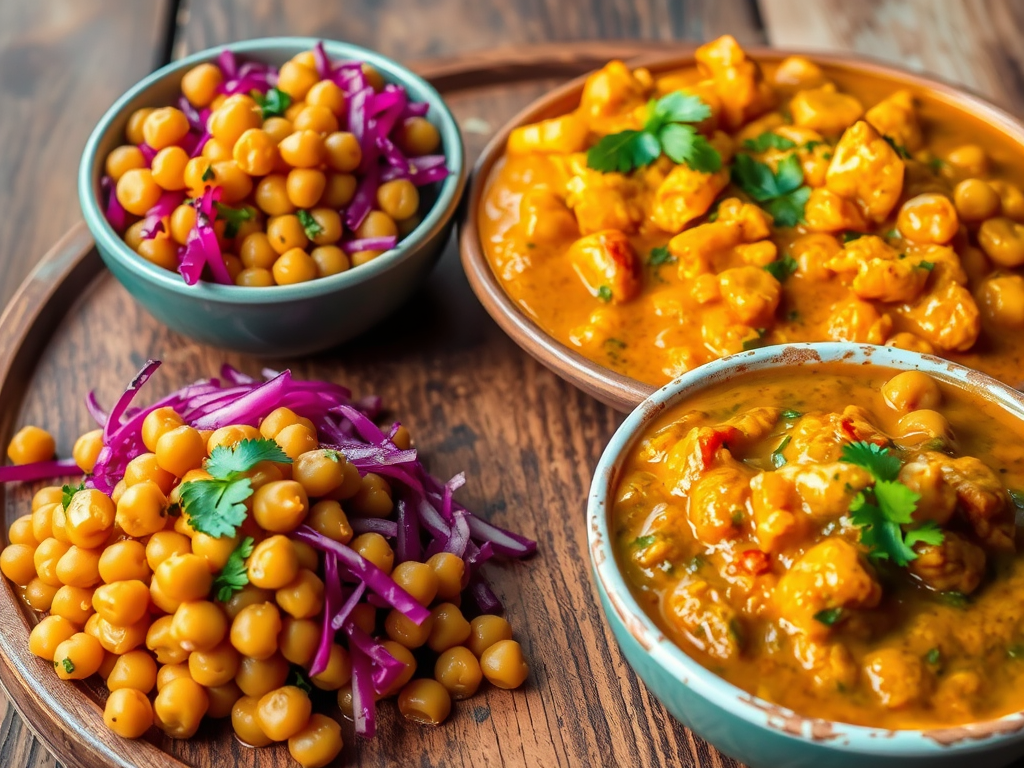
- Chana (chickpeas): ~19g per 100g dry; versatile, high in fibre.
- Masoor dal: ~26g per 100g dry; excellent protein-to-calorie ratio.
Common Protein Mistakes That Undermine Weight Loss
Eating All Your Protein at Dinner
Muscle protein synthesis requires a threshold of ~25–40g of leucine-containing protein per meal to be maximally stimulated. Loading 80g of protein into one meal is not equivalent to distributing 25–30g across three meals. A 2009 study by Paddon-Jones et al. found that distributing protein evenly across three meals produced greater whole-body protein synthesis than a skewed distribution.
Skipping Protein at Breakfast
The first meal of the day is where protein intake most commonly falls short. A typical Indian breakfast of poha, upma, toast, or paratha can provide as little as 3–8g of protein. Replacing or supplementing with eggs, dahi, or dal brings the meal into the 20–25g range and significantly reduces hunger before lunch.
Relying on a Single Source
Each protein source has a distinct amino acid profile and micronutrient contribution. Over-reliance on one source reduces dietary variety, risks micronutrient gaps, and leads to palate fatigue that undermines adherence.
Practical Protein Planning for an Indian Diet
Sample daily protein structure (for a 70 kg adult targeting 112g/day):
- Breakfast: 3 eggs scrambled or 200g thick dahi + 1 cup moong dal cheela — approximately 30g protein
- Mid-morning snack: 30g roasted chana or 100g paneer slice — approximately 10–18g protein
- Lunch: 150g chicken/fish or 1 cup rajma/chana + 100g paneer sabji — approximately 30–35g protein
- Evening: Small handful of nuts or a cup of curd — approximately 5–8g protein
- Dinner: Dal (1 cup cooked) + 2 eggs or 100g tofu — approximately 20–25g protein
FAQ: Protein for Weight Loss
How much protein should I eat per day to lose weight? For most adults aiming for weight loss, 1.2–1.6g of protein per kilogram of body weight per day is the evidence-backed target. For a 70 kg adult, this means 84–112g of protein daily.
Can I get enough protein for weight loss from an Indian vegetarian diet? Yes, but it requires deliberate planning. Dal, rajma, chana, paneer, curd, and soy are all solid protein sources. Multiple sources at each meal are necessary to reach 100g+ per day.
Does eating a lot of protein damage your kidneys? In healthy adults with no pre-existing kidney disease, high protein intake within the ranges described above has not been shown to impair kidney function. If you have diagnosed kidney disease, consult your nephrologist before increasing protein.
Is protein powder necessary for weight loss? No. Protein powder is a convenient supplement, not a requirement. Whole food protein sources provide equivalent muscle protein synthesis responses along with additional micronutrients and fibre.
When is the best time to eat protein for weight loss? Distributing protein evenly across three meals (25–35g per meal) is more effective than concentration at one meal. Breakfast protein has particular value for satiety and hunger management throughout the day.
References
- Weigle DS, et al. “A high-protein diet induces sustained reductions in appetite.” American Journal of Clinical Nutrition. 2005;82(1):41–48.
- Wycherley TP, et al. “Effects of energy-restricted high-protein, low-fat compared with standard-protein, low-fat diets.” American Journal of Clinical Nutrition. 2012;96(6):1281–1298.
- Stokes T, et al. “Recent Perspectives Regarding the Role of Dietary Protein for the Promotion of Muscle Hypertrophy.” Nutrients. 2018;10(2):180.
- Helms ER, et al. “A systematic review of dietary protein during caloric restriction in resistance trained lean athletes.” International Journal of Sport Nutrition and Exercise Metabolism. 2014;24(2):127–138.
- Paddon-Jones D, et al. “Protein and healthy aging.” American Journal of Clinical Nutrition. 2015;101(6):1339S–1345S.
- Leidy HJ, et al. “The role of protein in weight loss and maintenance.” American Journal of Clinical Nutrition. 2015;101(6):1320S–1329S.


Leave a Reply